A Food Lover's Journey Through Italy
This journey is not just about savoring delicious dishes; it's about experiencing the essence of Italy through its food, making it a must for any food enthusiast.

18 min read
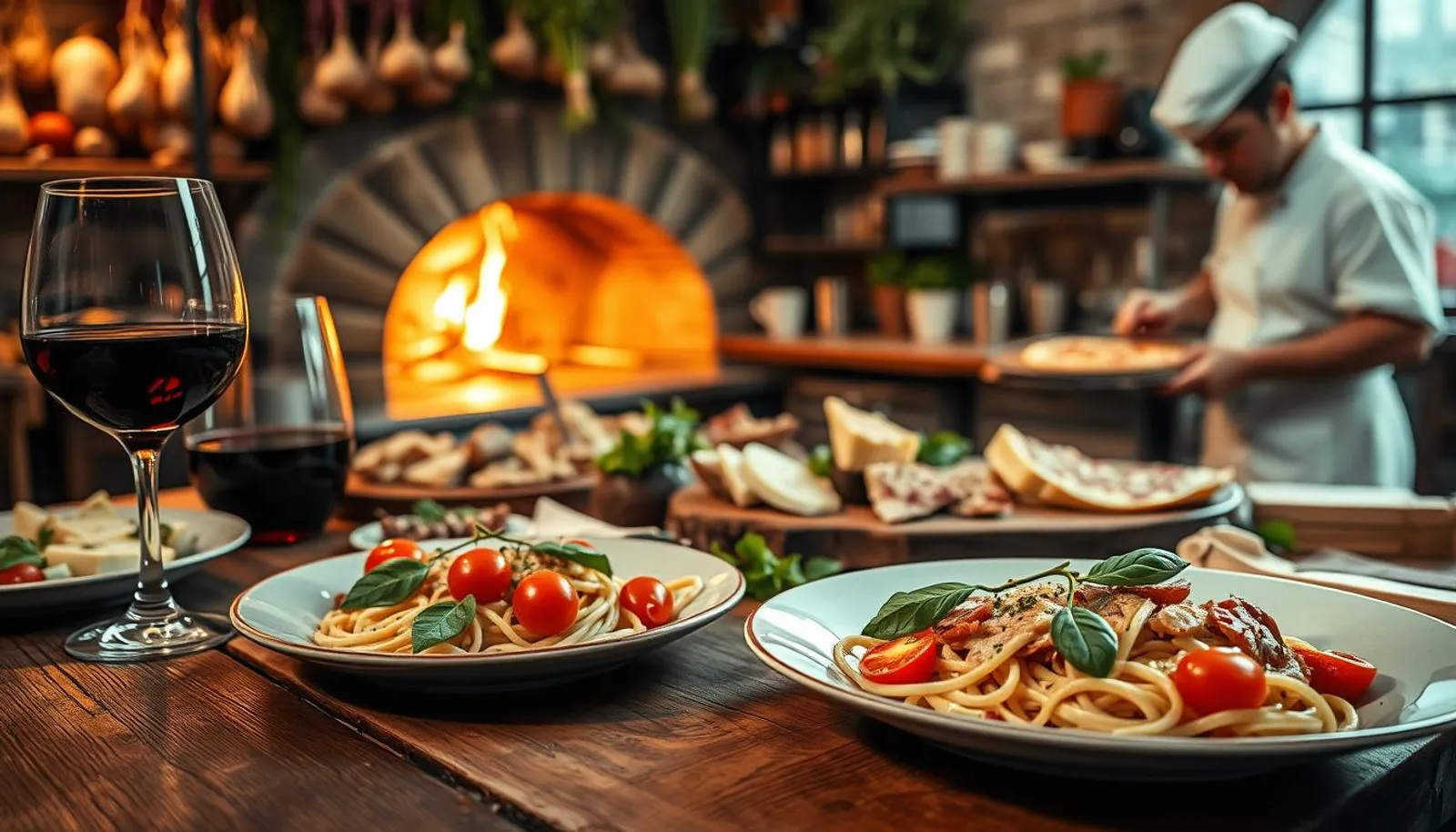
Embark on a gastronomic adventure through the heart of Italy, where the rich flavors and diverse regional specialties have made its cuisine a global phenomenon.
From the snow-capped Alps to the sun-kissed Mediterranean beaches, Italy’s varied landscapes are mirrored in its diverse culinary traditions. Local ingredients, traditional cooking methods, and the cultural significance of mealtimes all play a crucial role in shaping the country’s gastronomic identity.
This journey is not just about savoring delicious dishes; it’s about experiencing the essence of Italy through its food, making it a must for any food enthusiast.
Key Takeaways
- Discover the diverse regional cuisines of Italy
- Explore the importance of local ingredients in Italian cooking
- Learn about traditional Italian cooking methods
- Understand the cultural significance of mealtimes in Italy
- Experience the rich flavors of Italy’s gastronomic delights
The Culinary Tapestry of Italy
Embarking on a culinary tour of Italy reveals the country’s diverse gastronomic heritage. Italian cuisine is celebrated worldwide, but its true essence lies in the local delicacies that vary from region to region.
Beyond Pizza and Pasta: Understanding Regional Diversity
While pizza and pasta are staples of Italian cuisine, each region boasts its unique flavors and specialties. For instance, the north is known for its rich risottos and creamy polentas, whereas the south is famous for its fresh seafood and vibrant vegetables. Exploring these regional variations is a key part of any culinary adventure abroad.
How Geography Shapes Italian Flavors
Italy’s diverse geography, from the Alps to the Mediterranean coast, significantly influences its culinary landscape. The mountainous regions offer hearty meat dishes and rich cheeses, while coastal areas are renowned for their seafood. Understanding how geography shapes these flavors enhances the appreciation of Italy’s culinary diversity.
Northern Delights: Lombardy and Piedmont
Exploring the culinary delights of Lombardy and Piedmont is a must for any Italian cuisine enthusiast. These northern regions offer a rich tapestry of flavors and dishes that showcase the best of Italian gastronomy.
Milan’s Risotto and Ossobuco
Milan, the capital of Lombardy, is renowned for its risotto alla milanese, a creamy saffron-infused risotto typically served with ossobuco, a braised veal shank dish. This classic combination is a staple of Milanese cuisine and a must-try for visitors. The slow-cooked ossobuco is fall-off-the-bone tender, and when paired with the vibrant risotto, it creates a truly unforgettable dining experience.
Piedmont’s Truffle Treasures and Wine Culture
Piedmont is famous for its truffle hunting traditions. The region’s prized white truffles are used in various dishes, from pasta to risotto, adding an earthy and luxurious flavor. Piedmont is also known for its exceptional wines, including **
Barolo* and Barbaresco*, which are perfect for pairing with the region’s rich culinary offerings.
Fine Dining Experiences for the American Traveler
For American travelers seeking a fine dining experience, Lombardy and Piedmont offer numerous Michelin-starred restaurants. Some top recommendations include:
- **
Trattoria Madonnina** in Milan for traditional Lombard cuisine
- **
Ristorante Guido** in Piedmont for an exquisite truffle tasting menu
These regions provide a culinary journey that is both authentic and luxurious, making them essential stops on any food travel guide itinerary.
The Alpine Influence: Trentino-Alto Adige and Valle d’Aosta
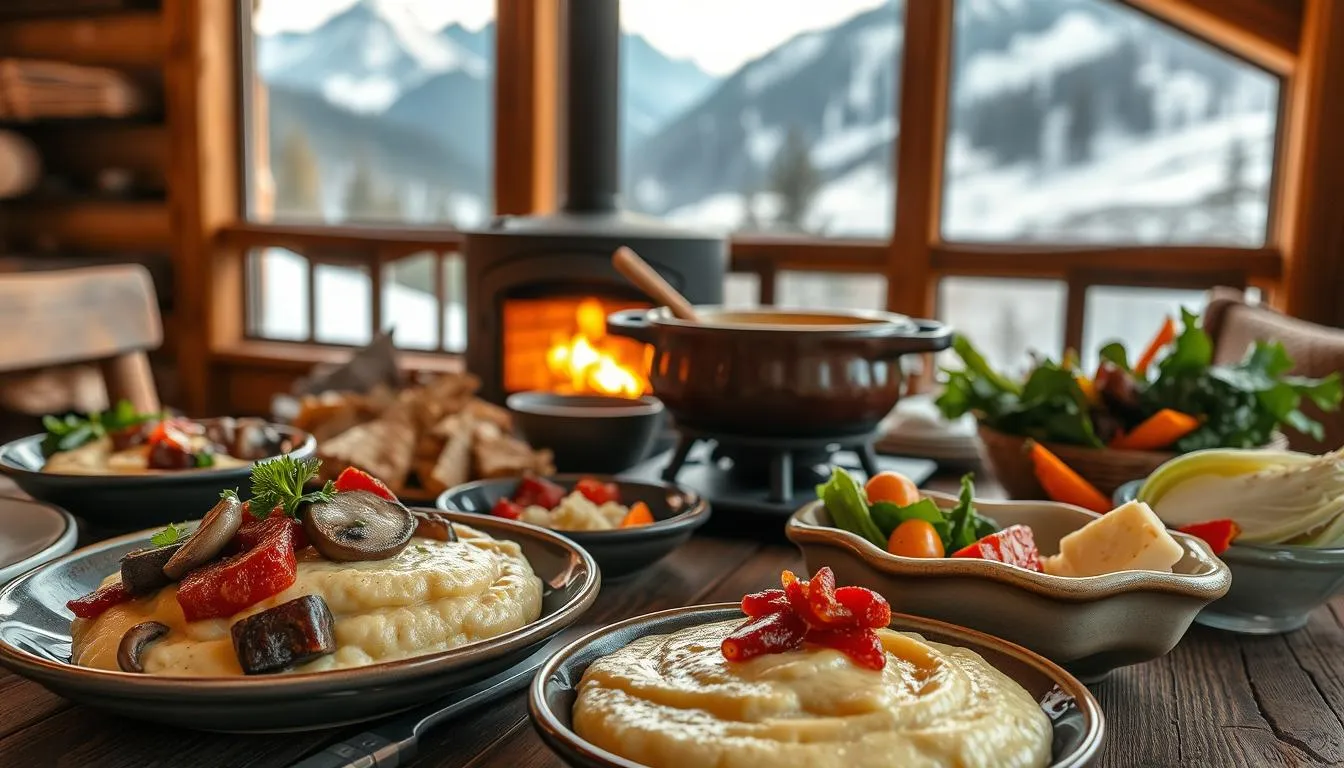
In the northernmost reaches of Italy, Trentino-Alto Adige and Valle d’Aosta boast a rich gastronomic heritage shaped by their Alpine location. This unique cultural and geographical context has given rise to a distinctive fusion cuisine that blends Italian traditions with Austrian and German influences.
German-Austrian Fusion Cuisine
The culinary landscape of these regions is characterized by dishes that reflect their historical ties to neighboring countries. **
Local delicacies** such as canederli (dumplings) and goulash showcase the Austrian and German impact on the local cuisine. These hearty dishes are perfect for the cold Alpine climate, providing warmth and comfort to those enjoying them.
Mountain Cheeses and Hearty Stews
The regions are also famous for their rich mountain cheeses, such as **
Fontina** and **
Asiago**, which are often used in hearty stews and soups. These cheeses are a staple of the local diet, adding depth and richness to various dishes. The slow-cooked stews, often made with locally sourced meat and vegetables, are a testament to the resourcefulness and culinary skill of the local population.
Seasonal Specialties Worth Trying
Trentino-Alto Adige and Valle d’Aosta take pride in their seasonal specialties, with dishes often centered around fresh, locally sourced ingredients. Visitors can enjoy a range of unique culinary experiences, from *truffle hunting in autumn to savoring game meats in winter. The emphasis on seasonal produce ensures that the cuisine remains vibrant and closely tied to the natural environment.
Venetian Cuisine: Seafood and Cicchetti
Exploring Venice through its food is an adventure that combines tradition with innovation. Venetian cuisine is renowned for its fresh seafood and cicchetti, small snacks typically enjoyed in bars, which offer a glimpse into the local culture.
Navigating Venice’s Bacari Culture
The bacari culture in Venice is a unique aspect of the city’s culinary scene. These small bars serve a variety of cicchetti, from seafood delicacies to traditional Venetian dishes. Visitors can experience the local lifestyle by enjoying these snacks with a glass of wine.
Signature Dishes from the Lagoon
Venetian cuisine is characterized by its use of fresh seafood from the lagoon. Signature dishes include fritto misto, a mixed fry of seafood, and bigoli in salsa*, a pasta dish with onions and anchovies. These dishes showcase the simplicity and freshness of Venetian cooking.
| Dish | Description | Main Ingredients |
|---|---|---|
| --- | --- | --- |
| Fritto Misto | Mixed seafood fry | Seafood, flour, eggs |
| Bigoli in Salsa | Pasta with onions and anchovies | Bigoli pasta, onions, anchovies |
To truly experience Venetian cuisine, one must venture beyond the tourist areas. Local eateries and hidden bars offer authentic flavors and a more intimate connection to the community. It’s here that visitors can enjoy authentic culinary adventures abroad, discovering the heart of Venetian culinary traditions.
Emilia-Romagna: Italy’s Food Valley
Emilia-Romagna, often referred to as Italy’s Food Valley, is a culinary paradise that offers a rich gastronomic experience. This region is renowned for its diverse culinary traditions, iconic products, and world-class cuisine.
The region’s capital, Bologna, is famous for its rich culinary heritage. **
Bologna’s cuisine** is characterized by hearty dishes such as lasagna and mortadella, a cured meat delicacy. Visitors can explore the city’s historic center, indulge in local eateries, and visit markets to sample these regional specialties.
Bologna: Home of Lasagna and Mortadella
Bologna is a food lover’s paradise, with its medieval streets lined with shops selling local products. The city’s signature dishes, including lasagna and mortadella, are must-try experiences. Mortadella, in particular, is an artisanal product that showcases the region’s expertise in cured meats.
Parma’s Prosciutto and Parmigiano-Reggiano
Parma is another culinary gem in Emilia-Romagna, celebrated for its prosciutto di Parma and Parmigiano-Reggiano cheese. These products are not only staples of Italian cuisine but also highly sought after worldwide. Visitors can tour local farms and factories to witness the production process and sample these delicacies.
Modena’s Balsamic Vinegar Tradition
Modena is the heart of Italy’s balsamic vinegar production, with its traditional balsamic vinegar being a highly prized condiment globally. The production process involves aging the vinegar in a series of wooden barrels, resulting in a complex, rich flavor.
Factory Tours and Tasting Experiences
One of the best ways to experience Emilia-Romagna’s culinary delights is by visiting local factories and participating in tasting experiences. Many producers offer guided tours, providing insights into the production processes of products like prosciutto, Parmigiano-Reggiano, and balsamic vinegar. Visitors can sample a variety of products, gaining a deeper appreciation for the craftsmanship and tradition behind these iconic foods.
Emilia-Romagna’s culinary landscape is a testament to the region’s rich gastronomic heritage. With its array of iconic products and traditional cooking methods, this region is a must-visit destination for anyone passionate about Italian cuisine.
Tuscan Simplicity: Farm-to-Table Traditions
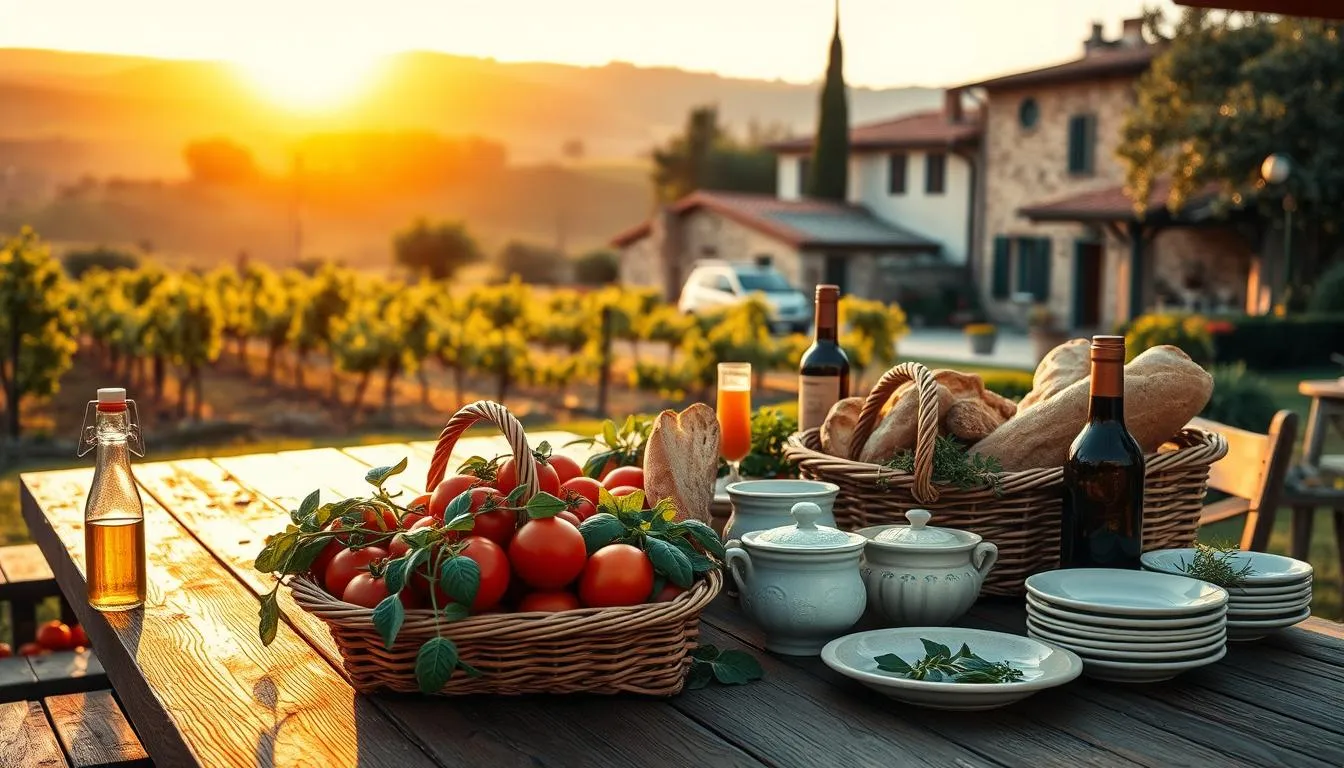
Tuscan cuisine is a celebration of simplicity, where farm-to-table traditions reign supreme. This approach to cooking emphasizes the use of fresh, locally sourced ingredients, resulting in dishes that are both hearty and flavorful.
Florence’s Bistecca alla Fiorentina
One of Tuscany’s most iconic dishes is **
Bistecca alla Fiorentina**, a thick, juicy steak cooked to perfection over an open flame. This dish is a staple in Florentine cuisine, typically served rare and accompanied by beans and a side of sauted spinach.
Rustic Soups and Bread Traditions
Tuscan cuisine is also known for its rustic soups, such as **
Ribollita**, a hearty soup made with vegetables, bread, and cannellini beans. Bread plays a significant role in Tuscan meals, often served alongside soups or used to make crostini.
Wine Pairing in Chianti Country
The Chianti region is renowned for its wine production, offering some of the best pairings for Tuscan dishes. Visitors can explore vineyards and learn about the art of wine pairing, enhancing their culinary experience. For more information on Italian cuisine and its cultural history, visit Italian Cuisine: A Cultural History.
Cooking Classes for American Visitors
For American visitors looking to immerse themselves in Tuscan cuisine, cooking classes are an excellent way to learn the techniques behind local delicacies Italy is famous for. These classes often include visits to local markets and hands-on cooking experiences.
| Dish | Main Ingredients | Region |
|---|---|---|
| --- | --- | --- |
| Bistecca alla Fiorentina | Steak, beans, spinach | Florence |
| Ribollita | Vegetables, bread, cannellini beans | Tuscany |
| Chianti Wine | Grapes | Chianti |
For those who love culinary adventures abroad, Italy’s street food is a must-try. Italian street food is a reflection of the country’s rich regional diversity and culinary heritage. From north to south, each region offers its unique flavors and specialties.
Regional Street Food Specialties
Italy is renowned for its diverse street food. In Rome, you can’t miss the suppl, fried risotto balls filled with mozzarella. In Naples, pizza al taglio (pizza by the cut) is a favorite snack. Sicily offers arancini, stuffed rice balls that are fried and typically filled with meat, cheese, and tomato sauce.
Markets and Food Festivals Worth Visiting
Italy is home to numerous markets and food festivals. The Mercato di Campo de’ Fiori in Rome and the Mercato Centrale in Florence are must-visit destinations. The Pizza Festival in Naples and the Sicilian Food Festival are events that celebrate local cuisine.
“Street food is not just about eating on the go; it’s an experience that connects you with the local culture.”
Navigating Food Allergies and Dietary Restrictions
For travelers with food allergies or dietary restrictions, Italy’s street food scene can be navigated with some planning. Many vendors now offer gluten-free options, and it’s becoming more common to find vegan and vegetarian choices. Don’t hesitate to ask vendors about ingredients.
As you embark on your culinary adventures abroad, remember that Italian street food is a gateway to the country’s rich culinary culture. Enjoy exploring the diverse flavors and regional specialties that Italy has to offer.
Rome and Lazio: Beyond Carbonara
Beyond the popular carbonara, Rome and Lazio boast a rich gastronomic heritage that is waiting to be explored. The region’s culinary identity is deeply rooted in its history, geography, and cultural traditions.
The Four Pastas of Rome
Rome is renowned for its four iconic pasta dishes, each offering a unique taste of the city’s culinary soul. These are:
- **
Cacio e Pepe**: A simple yet rich dish made with Pecorino Romano cheese and black pepper.
- **
Carbonara**: While well-known, its authentic version is made with guanciale, eggs, and Pecorino Romano.
- **
Amatriciana**: Originating from the nearby town of Amatrice, this pasta is flavored with guanciale and tomatoes.
- **
Gricia**: Another ancient recipe that combines guanciale, Pecorino Romano, and sometimes black pepper.
Offal Traditions: Quinto Quarto Cuisine
The term “Quinto Quarto” translates to “fifth quarter,” referring to the offal of animals, which is a staple in traditional Roman cuisine. Dishes made from offal are not only delicious but also reflect the resourcefulness of Roman cooks. Some must-try dishes include:
- **
Trippa alla Romana*: Tripe cooked in tomato sauce and served with Pecorino Romano.
- Coda alla Vaccinara*: Oxtail stewed in a rich tomato sauce, often served with celery.
Where to Find Authentic Roman Food
For an authentic Roman dining experience, visitors should venture beyond tourist areas. Exploring local trattorias and osterias in neighborhoods like Trastevere or Testaccio can lead to discovering hidden gems. Some recommended eateries include:
- **
Trattoria al Moro**: Known for its traditional Roman dishes.
- **
La Gensola**: A cozy trattoria in Trastevere serving classic Roman cuisine.
Embarking on a culinary journey through Rome and Lazio is a rewarding experience that goes beyond the familiar carbonara. It’s an opportunity to delve into the region’s rich gastronomic culture and enjoy the authentic flavors of Italy.
Coastal Campania: Birthplace of Pizza
Coastal Campania, with Naples at its heart, is a gastronomic paradise that has given the world one of its favorite dishes: pizza. This region is a must-visit destination for any food enthusiast, offering a rich culinary experience that goes beyond its famous pizza.
Naples Pizza Culture and Certification
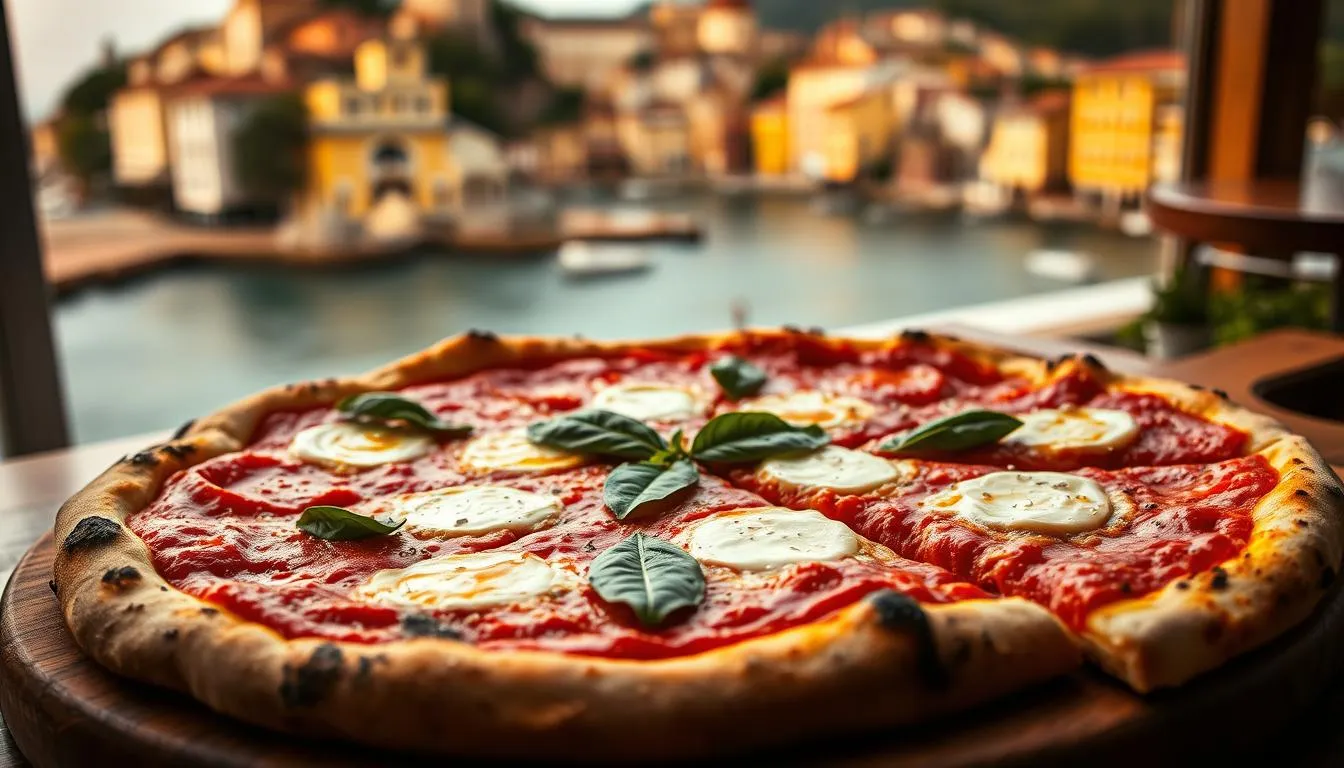
Naples is the epicenter of pizza culture, where the authentic Neapolitan pizza originated. The city’s pizza is characterized by its soft crust, fresh toppings, and cooking in a wood-fired oven. To ensure authenticity, the **
Associazione Verace Pizza Napoletana** certifies pizzerias that adhere to traditional methods.
Pizza-Making Workshops for Tourists
For those looking to dive deeper into Neapolitan pizza culture, pizza-making workshops are a fantastic way to learn the art of pizza preparation. These workshops offer hands-on experience and insights into the history and techniques behind this beloved dish.
Seafood Traditions of the Amalfi Coast
The Amalfi Coast, with its stunning coastline, offers an array of seafood delicacies. From fresh seafood risottos to grilled fish, the local cuisine is heavily influenced by the sea. Visitors can enjoy these dishes in picturesque coastal towns like Positano and Amalfi.
Limoncello and Citrus Desserts
Campania is famous for its limoncello, a lemon-flavored liqueur that is a staple in local cuisine. The region’s citrus fruits are also used in a variety of desserts, such as lemon sorbet and citrus tart. These sweet treats are perfect for ending a meal on a refreshing note.
In conclusion, Coastal Campania is a culinary gem that offers much more than just pizza. From the seafood of the Amalfi Coast to the delightful citrus desserts, this region is a food traveler’s dream destination, rich in local delicacies that Italy is known for.
Sicily: Mediterranean Crossroads of Flavor
Sicily, the largest island in the Mediterranean, is a melting pot of culinary influences that have shaped its cuisine into a unique gastronomic experience. For travelers embarking on culinary adventures abroad, Sicily offers a rich and diverse culinary landscape.
Arab and Norman Influences on Sicilian Cuisine
The history of Sicily is reflected in its cuisine, with significant contributions from Arab and Norman cultures. The Arabs introduced citrus fruits, eggplants, and tomatoes, which are now staples in Sicilian cooking. The Normans brought their own culinary traditions, resulting in a unique fusion that characterizes Sicilian dishes.
Sweet Traditions: Cannoli and Cassata
Sicily is renowned for its sweet treats, particularly cannoli and cassata. Cannoli, fried pastry shells filled with sweet ricotta cheese, are a classic Sicilian dessert. Cassata, a sponge cake soaked in liqueur and filled with sweetened ricotta, is another beloved treat that showcases the island’s sweet traditions.
Seafood Couscous and Pasta con le Sarde
The seafood of Sicily is another highlight of its cuisine, with dishes like couscous with fish and **
Pasta con le Sarde** (pasta with sardines) being particularly popular. These dishes reflect the island’s Mediterranean diet, rich in fresh seafood and flavorful ingredients.
Seasonal Food Festivals
Sicily celebrates its culinary heritage through various seasonal food festivals. These events offer visitors a chance to experience the island’s cuisine in a festive atmosphere, with local specialties and traditional cooking methods on display.
Sardinia’s Unique Culinary Identity
The island of Sardinia presents a unique gastronomic journey, deeply rooted in its pastoral traditions and seafood abundance. Sardinian cuisine is characterized by its simplicity and reliance on locally sourced ingredients, reflecting the island’s history and geography.
Shepherds’ Cuisine and Pecorino Sardo
Sardinia’s culinary identity is heavily influenced by its shepherding traditions. The production of **
Pecorino Sardo**, a sheep’s milk cheese, is a cornerstone of the local cuisine. This cheese is not only a staple in Sardinian kitchens but also a key ingredient in many traditional dishes.
Fregola and Seafood Specialties
**
Fregola**, a type of pasta made from semolina flour, is a Sardinian specialty often served with seafood. The island’s coastal location provides an abundance of fresh seafood, which is incorporated into various dishes, showcasing the diversity of Sardinian cuisine.
Longevity Diet of the Blue Zone
Sardinia is recognized as one of the world’s Blue Zones, where inhabitants enjoy remarkable longevity. The traditional Sardinian diet, rich in whole foods, fruits, and vegetables, contributes to this longevity. For more information on Sardinian cuisine and its health benefits, visit Cellar Tours.
| Dish | Main Ingredients | Description |
|---|---|---|
| --- | --- | --- |
| Pecorino Sardo | Sheep’s milk | A traditional Sardinian cheese, often served as a table cheese or used in local recipes. |
| Fregola with Seafood | Fregola pasta, seafood, tomatoes | A hearty seafood dish featuring Sardinia’s signature pasta. |
| Su Porcheddu | Suckling pig, herbs, spices | A slow-roasted suckling pig, often served on special occasions. |
As we conclude our culinary journey through Italy, it’s clear that the country’s diverse regional cuisines offer a wealth of flavors and cooking techniques to explore. From the snow-capped Alps to the sun-kissed Mediterranean, each region’s unique geography and cultural heritage have shaped its culinary identity.
To truly bring Italy’s flavors home, focus on using fresh, natural, and seasonal ingredients, just as Italian cooks do. Explore local farmers’ markets and specialty stores to find authentic ingredients. For more inspiration, visit Your Guardian Chef, a valuable food travel guide that shares traditional Italian recipes by region.
Whether you’re a seasoned foodie or just starting your culinary adventures abroad, Italy’s rich gastronomic heritage offers endless possibilities for exploration and discovery. So, continue to savor the flavors of Italy, and let the country’s culinary traditions inspire your own cooking adventures at home.
FAQ
What are the must-try dishes when exploring Italian cuisine?
Italian cuisine is diverse and regional, but some must-try dishes include pizza in Naples, risotto alla milanese in Milan, and fresh seafood in the coastal regions. Don’t miss trying local specialties like cannoli in Sicily and Pecorino Sardo in Sardinia.
How does geography influence Italian cuisine?
Italy’s varied geography, from the Alps to the Mediterranean coast, significantly influences its cuisine. Different regions have unique ingredients and cooking methods shaped by their local environment, history, and cultural traditions.
What is the significance of mealtimes in Italian culture?
Mealtimes in Italy are not just about eating; they’re about family, friends, and community. Meals are often long, leisurely affairs that bring people together, emphasizing the importance of enjoying good food and company.
How can I navigate food allergies and dietary restrictions while traveling in Italy?
When traveling in Italy, it’s a good idea to learn some basic Italian phrases to communicate your dietary needs. Many restaurants are accommodating, especially in tourist areas. Consider also visiting local markets and food festivals to explore a variety of options.
What are some unique Italian culinary experiences I shouldn’t miss?
Unique experiences include taking a pizza-making workshop in Naples, visiting a truffle festival in Piedmont, or enjoying a traditional Tuscan cooking class. Don’t miss the opportunity to taste authentic Italian gelato and espresso in local cafes.
Can you recommend any local delicacies to try during my Italian food travel?
Be sure to try local delicacies such as prosciutto di Parma in Parma, balsamic vinegar in Modena, and limoncello in the Amalfi Coast. Each region has its specialties, so be adventurous and try the local flavors.
Are there any culinary adventures or cooking classes recommended for American travelers?
Yes, many regions offer cooking classes tailored for American visitors, such as in Tuscany and Campania. These classes provide a hands-on experience, teaching you how to prepare traditional Italian dishes using local ingredients.
What are some tips for enjoying street food in Italy?
When enjoying street food in Italy, look for popular markets and food festivals. Try regional specialties, and don’t be afraid to ask locals for recommendations. Be mindful of food safety and choose vendors that are busy and have a high turnover of food.