Analyzing the Impact of Over-Tourism
Over-tourism is emerging as a major challenge for the tourism industry, with far-reaching consequences for local environments and communities. As we explore this issue, it's crucial to understand the nuances of over-tourism and its impact on destinations worldwide.

16 min read
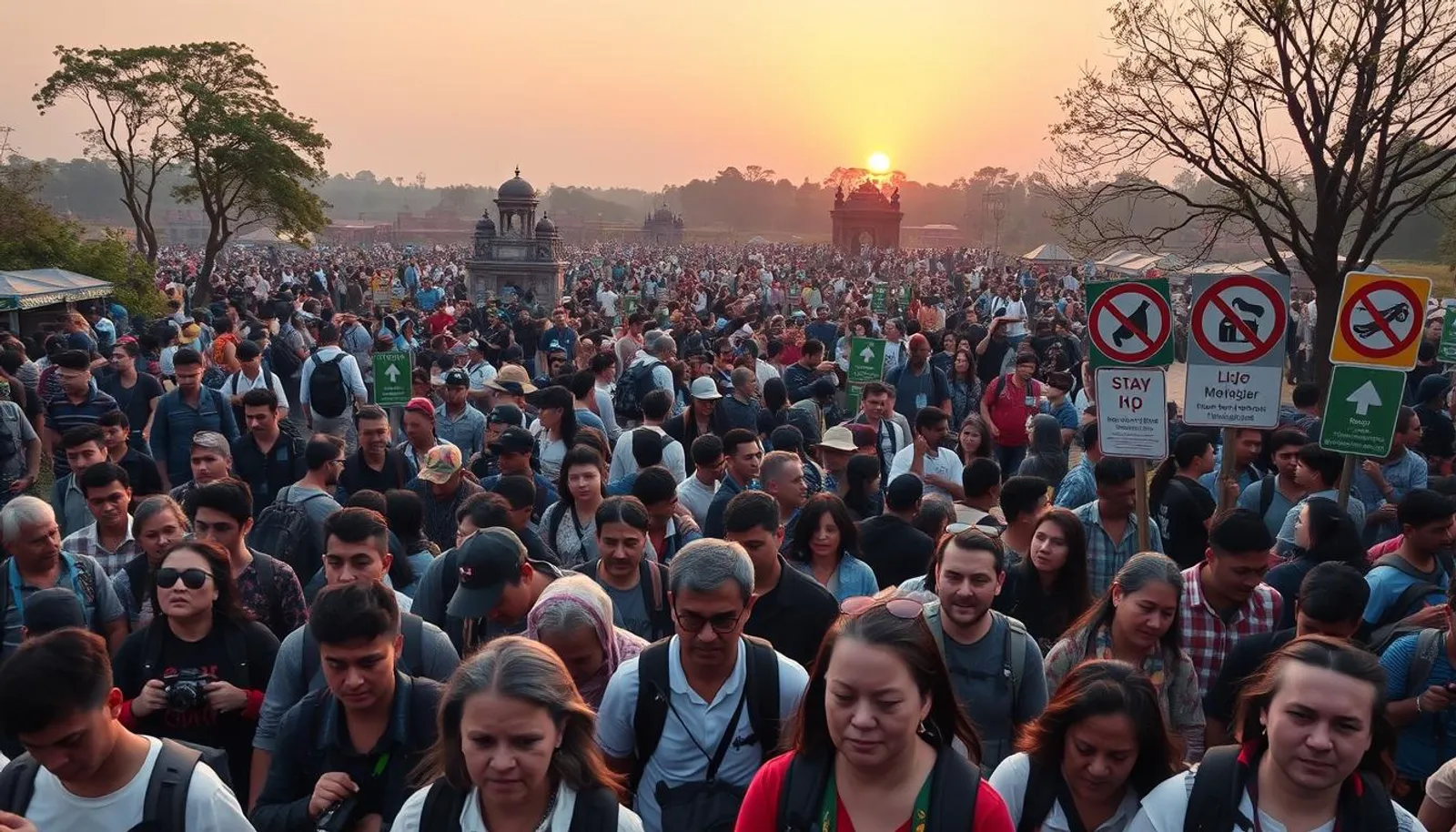
The travel industry is facing a significant challenge: over-tourism. As global tourist numbers continue to rise, destinations around the world are struggling to cope with the influx of visitors. According to the UNWTO, worldwide tourist numbers are expected to reach 1.8 billion by 2030, up from 1.5 billion in 2019.
This surge in tourism is putting a strain on local infrastructure, economies, and environments. For instance, popular destinations like Venice are implementing measures to restrict tourism, such as banning large cruise ships and introducing a day-tripper fee. To learn more about the concept of over-tourism, visit National Geographic’s article on over-tourism.
Key Takeaways
- The global tourism industry is expected to reach 1.8 billion tourists by 2030.
- Destinations are implementing measures to restrict tourism.
- Over-tourism is putting a strain on local infrastructure and economies.
- The environmental impact of tourism is a growing concern.
- Sustainable travel practices are becoming increasingly important.
The Growing Challenge of Over-Tourism
Over-tourism is emerging as a major challenge for the tourism industry, with far-reaching consequences for local environments and communities. As we explore this issue, it’s crucial to understand the nuances of over-tourism and its impact on destinations worldwide.
Defining Over-Tourism in Today’s Travel Landscape
Over-tourism refers to the phenomenon where the influx of tourists exceeds the capacity of a destination, leading to environmental degradation, strain on local infrastructure, and cultural disruption. For instance, a report by the World Expeditions Blog highlights the need for sustainable tourism practices to mitigate the effects of over-tourism.
Historical Evolution from Mass Tourism to Over-Tourism
The transition from mass tourism to over-tourism is a gradual process, driven by factors such as affordable travel options and the rise of social media. Key drivers include:
- Increased accessibility due to budget airlines
- Social media influence promoting destinations
- Rise in disposable income leading to more travel
Key Statistics and Growth Trends
Recent statistics underscore the rapid growth of tourism. For example, international tourist arrivals have seen a significant increase, with a growth rate of 4% in 2022 according to the World Tourism Organization. The implications are profound, with both positive and negative impacts on local economies and environments.
Understanding these trends is crucial for developing effective strategies to manage over-tourism and ensure sustainable tourism practices.
The Impact of Over-Tourism on Destinations Worldwide
As tourism continues to grow, the negative impacts on the environment and local infrastructure are becoming increasingly apparent. The world’s most beloved destinations are facing significant challenges due to the sheer volume of visitors, leading to environmental degradation and strain on local resources.
Environmental Degradation and Ecological Stress
The environmental impacts of over-tourism are multifaceted. Pollution and waste management are significant concerns, as the increased human activity leads to more litter, sewage, and other pollutants.
Pollution and Waste Management Issues
Popular destinations often struggle with managing the waste generated by tourists. For instance, the issue of plastic pollution in oceans and waterways is exacerbated by tourist activities.
Wildlife and Natural Habitat Disruption
Tourism can disrupt local wildlife and their habitats. Habitat destruction and wildlife disturbance are common issues in areas with fragile ecosystems.
| Destination | Environmental Impact | Conservation Effort |
|---|---|---|
| Venice | Water pollution, erosion | Restrictions on tourist numbers |
| Machu Picchu | Habitat disruption, litter | Timed entry tickets, guided tours |
| Great Barrier Reef | Coral bleaching, pollution | Marine protected areas, eco-tourism practices |
The influx of tourists puts a strain on local infrastructure, including transportation, housing, and public services. Infrastructure strain can lead to increased costs for local governments and residents.
Effective management strategies are crucial to mitigate these impacts. By understanding the challenges posed by over-tourism, destinations can work towards more sustainable tourism practices.
Cultural and Social Consequences of Tourist Overcrowding
Over-tourism has become a pressing issue, affecting not just the environment, but also the local culture and community dynamics. As destinations become increasingly popular, the cultural and social fabric of these areas begins to change.
Erosion of Local Identity and Traditions
The influx of tourists can lead to the erosion of local identity as traditional practices and customs are commercialized. Local businesses may cater more to tourist demands, potentially diluting the authenticity of the destination. According to a study on the impacts of tourism, the commercialization of local cultures can result in the loss of traditional practices (PMC7798079).
Housing Crises and Resident Displacement
Tourist overcrowding often leads to a surge in housing demand, driving up prices and rents. This can result in housing crises and the displacement of long-term residents, as locals are priced out of their own neighborhoods. The conversion of residential units into short-term rentals exacerbates this issue, reducing the availability of housing for local communities.
Changing Community Dynamics and Quality of Life
The quality of life for residents in over-touristed destinations can significantly decline. Increased congestion, noise, and competition for resources can alter community dynamics, making it challenging for locals to maintain their lifestyle. Implementing sustainable tourism solutions is crucial to mitigate these effects and ensure that tourism benefits both visitors and local communities.
Economic Paradox: Tourism Benefits vs. Hidden Costs
The economic impact of tourism is multifaceted, presenting both opportunities and obstacles for destinations worldwide. On one hand, tourism can be a significant source of revenue and employment for local economies. On the other hand, it also brings challenges that can strain local resources and infrastructure.
Revenue Generation and Employment Opportunities
Tourism is a vital source of income for many regions, creating jobs in various sectors such as hospitality, transportation, and recreational activities. According to a study on tourism economics, the industry supports millions of jobs globally, contributing to local economic stability. Research on tourism’s economic impact highlights its potential for generating revenue through visitor spending.
Economic Leakage and Dependency Issues
Despite the economic benefits, tourism also leads to economic leakage, where a significant portion of the revenue generated from tourism leaves the local economy, often ending up in the hands of international corporations. This can create dependency issues for local economies, making them vulnerable to fluctuations in tourist arrivals.
Long-term Economic Sustainability Concerns
The long-term economic sustainability of tourism is a growing concern. Over-reliance on tourism can lead to economic instability, especially in destinations with seasonal fluctuations. Seasonal volatility can result in feast or famine scenarios for local businesses, affecting their resilience.
Seasonal Volatility and Economic Resilience
Destinations must develop strategies to mitigate the effects of seasonal volatility. Diversifying the local economy and promoting off-season tourism can help improve economic resilience. For instance, some destinations have successfully implemented measures to attract visitors during the off-season, thereby reducing the strain caused by peak season overcrowding.
| Economic Aspect | Positive Impact | Negative Impact |
|---|---|---|
| Revenue Generation | Creates jobs and stimulates local economy | Can lead to inflation and increased cost of living |
| Employment Opportunities | Provides income for local residents | Often results in low-wage jobs with little job security |
“Tourism can be a powerful tool for economic development, but it requires careful management to ensure that its benefits are equitably distributed and its negative impacts are mitigated.”
Case Studies: Destinations Battling Over-Tourism
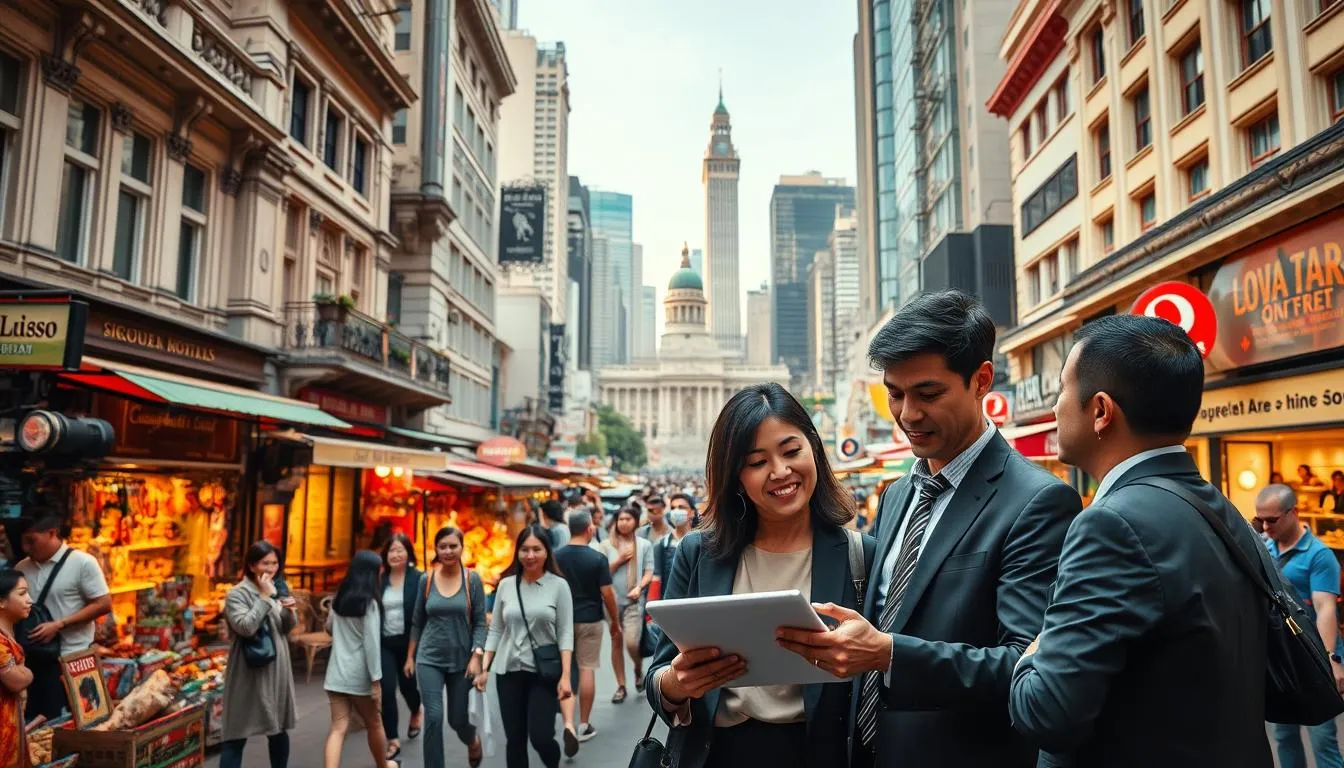
The impact of over-tourism is being felt in various tourist hotspots across the globe. Several destinations are now implementing measures to mitigate the adverse effects of excessive tourism.
Venice: A City Sinking Under Tourist Pressure
Venice is one of the most iconic cities affected by over-tourism. The influx of tourists has put a strain on its infrastructure, leading to issues such as overcrowding and environmental degradation.
Key Challenges:
- Congestion in historic areas
- Strain on local resources
- Environmental impact
Barcelona’s Ongoing Struggle with Visitor Management
Barcelona has been grappling with the challenges of managing its large influx of tourists. The city has implemented various measures to control tourism and protect its cultural heritage.
Some of the strategies include:
- Limiting new hotel developments
- Implementing tourist taxes
- Promoting off-season travel
Thailand’s Maya Bay: Environmental Recovery Efforts
Maya Bay, made famous by the movie “The Beach,” has been closed to tourists to allow for environmental recovery. This move aims to restore the bay’s ecosystem.
Machu Picchu: Balancing Access and Preservation
Machu Picchu, a UNESCO World Heritage site, is working to balance tourist access with preservation efforts. Measures include limiting the number of visitors and implementing sustainable tourism practices.
Preservation Strategies:
- Visitor caps
- Sustainable tourism initiatives
- Conservation efforts
These case studies highlight the diverse challenges faced by destinations battling over-tourism and the innovative solutions being implemented to address these issues.
Root Causes Behind the Over-Tourism Crisis
Understanding the underlying factors driving over-tourism is crucial for developing effective solutions. The recent surge in tourist numbers can be attributed to a combination of factors.
Social Media Influence and Destination Virality
Social media platforms have become significant drivers of tourism, with destinations often going viral and attracting large numbers of visitors. A study found that social media influences travel decisions, with many travelers choosing destinations based on online popularity research on travel behavior.
Affordable Travel and the Rise of Budget Airlines
The increase in affordable travel options, particularly budget airlines, has made it easier for people to travel, contributing to overcrowding at popular destinations.
Cruise Industry’s Role in Destination Overcrowding
The cruise industry is another significant contributor to over-tourism, with large cruise ships bringing thousands of passengers to destinations that may not be equipped to handle such large numbers.
The Impact of Travel Influencers and Bucket Lists
Travel influencers and the concept of bucket lists have also played a role in driving tourism. Many travelers now seek out destinations that are considered “must-visit” places, often due to social media and influencer marketing.
 The root causes of over-tourism are multifaceted, involving social media, affordable travel, the cruise industry, and the influence of travel influencers. Addressing these factors is essential for mitigating the negative impacts of over-tourism.
Key Stakeholders in the Over-Tourism Equation
To mitigate the effects of over-tourism, it’s crucial to understand the roles of key stakeholders. The issue of over-tourism is multifaceted, involving various parties that must work together to find sustainable solutions.
Local Communities and Their Changing Perspectives
Local communities are at the forefront of the over-tourism challenge. As tourism increases, residents often face rising living costs, housing shortages, and cultural erosion. According to a study published on Nature, understanding local perspectives is crucial for developing effective tourism management strategies.
- Community engagement is key to sustainable tourism practices.
- Residents’ concerns should be addressed through policy and planning.
- Local businesses can benefit from tourism, but need support to thrive.
Government and Policy Makers’ Responsibilities
Governments and policy makers play a critical role in regulating tourism and mitigating its negative impacts. They can implement policies such as visitor caps, tourist taxes, and zoning regulations to manage tourism sustainably.
Effective policy measures include:
- Implementing visitor caps to limit overcrowding.
- Introducing tourist taxes to fund local infrastructure.
- Enforcing zoning regulations to protect sensitive areas.
Tourism Industry Players and Their Ethical Considerations
The tourism industry, including tour operators, hotels, and travel agencies, must adopt ethical practices to contribute to sustainable tourism. This involves promoting responsible travel behaviors and supporting local economies.
By working together, these stakeholders can help create a more sustainable tourism model that benefits both visitors and local communities.
Current Management Strategies and Their Effectiveness
As destinations worldwide grapple with the challenges of over-tourism, implementing effective management strategies has become a pressing concern. Various approaches have been adopted to mitigate the impacts of excessive tourism, ranging from regulatory measures to technological innovations.
Visitor Caps and Entry Restrictions
One of the most direct methods of managing over-tourism is implementing visitor caps and entry restrictions. For instance, the famous Maya Bay in Thailand was closed to visitors in 2018 for environmental recovery, reopening in 2020 with limited daily visitor numbers. This approach has shown positive results in reducing ecological stress and preserving natural beauty.
Tourist Taxes and Pricing Mechanisms
Tourist taxes and dynamic pricing mechanisms are being used to manage visitor numbers and generate revenue for conservation efforts. For example, Venice introduced a tourist tax to help manage the large influx of visitors. Such measures not only help in funding local infrastructure but also deter some visitors by increasing the cost of travel.
| Destination | Management Strategy | Outcome |
|---|---|---|
| Venice | Tourist Tax | Revenue Generation |
| Maya Bay | Visitor Cap | Ecological Recovery |
Technology is playing an increasingly important role in managing tourist crowds. Apps and digital platforms are being used to monitor visitor numbers, provide real-time information, and encourage dispersal to less crowded areas. This not only enhances the visitor experience but also helps in reducing pressure on popular sites.
Virtual Tourism and Digital Alternatives
An emerging trend is the development of virtual tourism experiences, allowing people to explore destinations remotely. This can help reduce the physical impact of tourism while still satisfying the desire to experience new places.
“Virtual tourism can be a game-changer in managing over-tourism by offering an alternative way to experience destinations without the physical presence.”
 By adopting a combination of these strategies, destinations can more effectively manage the challenges of over-tourism, ensuring a more sustainable future for tourism.
Sustainable Tourism: Creating Balance Between Visitation and Preservation
The impact of over-tourism has sparked a global conversation about the importance of adopting sustainable tourism solutions. As destinations worldwide face the challenges of managing visitor numbers, innovative approaches are being implemented to balance economic benefits with preservation.
Destination Management Organizations’ Innovative Approaches
Destination Management Organizations (DMOs) are playing a crucial role in promoting sustainable tourism. They are developing strategies that not only attract visitors but also ensure that tourism benefits local communities and preserves the environment. For instance, DMOs are using data analytics to monitor visitor flows and manage crowding.
Community-Based Tourism Initiatives
Community-based tourism initiatives are empowering local residents to take an active role in managing tourism. These initiatives ensure that the economic benefits of tourism are shared equitably among community members, supporting local businesses and preserving cultural heritage.
Education and Awareness Programs for Responsible Travel
Education and awareness programs are critical in promoting responsible travel behaviors. By educating tourists about local customs, environmental concerns, and cultural sensitivities, these programs help minimize the negative impacts of tourism.
Certification Programs and Industry Standards
Certification programs and industry standards are being developed to promote best practices in sustainable tourism. These programs recognize and reward operators who adhere to high standards of environmental stewardship and social responsibility.
By adopting these sustainable tourism solutions, destinations can mitigate the impact of over-tourism and ensure a more resilient and sustainable tourism industry for the future.
- Implementing visitor caps and entry restrictions
- Promoting off-season travel
- Investing in infrastructure to support sustainable tourism
Conclusion: Navigating the Future of Tourism in an Over-Visited World
The issue of over-tourism presents a complex challenge for destinations worldwide, requiring a nuanced approach that balances economic benefits with environmental and cultural preservation. Through our over-tourism analysis, it’s clear that the travel industry challenges are multifaceted, involving not just the management of tourist numbers but also addressing the root causes of over-tourism.
Effective management strategies, such as visitor caps, tourist taxes, and community-based tourism initiatives, offer promising solutions. Destinations like Venice, Barcelona, and Thailand’s Maya Bay are pioneering innovative approaches to mitigate the adverse effects of over-tourism. By adopting sustainable tourism practices, destinations can preserve their unique cultural heritage and natural beauty for future generations.
The future of tourism depends on the industry’s ability to adapt to these challenges. By prioritizing sustainability and responsible travel practices, stakeholders can work together to create a more equitable and resilient tourism economy. This collaborative approach will be crucial in navigating the complexities of over-tourism and ensuring that tourism continues to be a positive force for local communities and the environment.
FAQ
What is over-tourism, and how is it affecting destinations worldwide?
Over-tourism refers to the excessive number of tourists visiting a particular destination, causing strain on local infrastructure, environment, and culture. This phenomenon is affecting destinations worldwide, from popular cities like Venice and Barcelona to natural wonders like Thailand’s Maya Bay.
What are the main environmental impacts of over-tourism?
The main environmental impacts of over-tourism include pollution, waste management issues, and disruption of wildlife and natural habitats. These effects can be seen in destinations like Machu Picchu, where the increasing number of tourists is threatening the site’s preservation.
How does over-tourism affect local communities and their quality of life?
Over-tourism can lead to the erosion of local identity and traditions, housing crises, and changes in community dynamics, ultimately affecting residents’ quality of life. For instance, in Barcelona, the influx of tourists has led to rising housing costs and displacement of long-time residents.
What role do social media and travel influencers play in the over-tourism crisis?
Social media and travel influencers can contribute to over-tourism by promoting destinations and creating a sense of urgency or “must-see” status around certain locations. This can lead to a surge in visitors, exacerbating the issues associated with over-tourism.
What are some effective management strategies for addressing over-tourism?
Effective management strategies for addressing over-tourism include implementing visitor caps and entry restrictions, introducing tourist taxes and pricing mechanisms, and leveraging technological solutions for crowd management. Destinations like Venice and Machu, Picchu have implemented such measures to mitigate the effects of over-tourism.
How can sustainable tourism practices help mitigate the effects of over-tourism?
Sustainable tourism practices, such as community-based tourism initiatives, education and awareness programs, and certification programs, can help mitigate the effects of over-tourism by promoting responsible travel and supporting local economies. Destination Management Organizations are also playing a crucial role in implementing innovative approaches to sustainable tourism.
What is the economic impact of over-tourism, and how can it be managed?
Over-tourism can have both positive and negative economic impacts. While it generates revenue and creates employment opportunities, it can also lead to economic leakage, dependency issues, and long-term sustainability concerns. Managing the economic impact of over-tourism requires a balanced approach that considers the needs of local communities and the tourism industry.