Beginner's Guide to Traveling Responsibly
As travelers, we're increasingly faced with the choice of how to explore the world responsibly. Responsible travel, often referred to as sustainable or eco-friendly travel, involves making conscious decisions to minimize our impact on the environment, respect local cultures, and contribute positi...


16 min read
Welcome to our comprehensive responsible travel guide, designed specifically for beginners. As you embark on your journey, it’s essential to understand the principles that can make your travel experiences not only enjoyable but also sustainable.
Traveling responsibly is about making conscious choices that minimize your impact on the destinations you visit. By following beginner travel tips, you can contribute to preserving the beauty and integrity of the places you explore.
Key Takeaways
- Understand the principles of responsible travel.
- Learn how to minimize your impact on destinations.
- Discover beginner travel tips for a sustainable journey.
- Explore ways to contribute to preserving travel destinations.
- Make conscious choices for a positive travel experience.
What Is Responsible Travel?
As travelers, we’re increasingly faced with the choice of how to explore the world responsibly. Responsible travel, often referred to as sustainable or eco-friendly travel, involves making conscious decisions to minimize our impact on the environment, respect local cultures, and contribute positively to the local economy.
The Three Pillars of Responsible Tourism
Responsible tourism is built on three core pillars:
- Environmental Sustainability: Reducing our carbon footprint and preserving natural habitats.
- Cultural Respect: Embracing and respecting local customs and traditions.
- Economic Responsibility: Ensuring that our spending benefits local communities.
Why Responsible Travel Matters Now More Than Ever
In today’s world, where environmental concerns and cultural preservation are increasingly critical, responsible travel matters more than ever. By adopting sustainable travel practices, we can help mitigate the negative impacts of tourism and contribute to the preservation of our planet’s precious resources.
Common Misconceptions About Responsible Travel
One common misconception is that responsible travel is expensive or inconvenient. However, how to travel ethically is a matter of making informed choices. By choosing local tour operators, reducing waste, and respecting local environments, travelers can make a significant positive impact without breaking the bank.
Planning Your Responsible Travel Journey
Responsible travel starts with thorough planning, setting the stage for a journey that is both fulfilling and environmentally friendly. As you prepare for your trip, it’s essential to consider several key factors that will guide your decisions and actions while traveling.
Researching Destinations with Sustainability in Mind
Begin by researching potential destinations that align with your values and sustainability goals. Look for places that are actively working on environmental conservation and cultural preservation. For more insights on making ethical choices while traveling, visit this guide on responsible travel.

Setting Realistic Expectations and Goals
Setting realistic expectations is crucial. Understand that your travel choices can have an impact, and every small step counts. As a beginner, focusing on achievable goals, such as reducing plastic use or supporting local businesses, can make your travel more responsible.
Creating a Responsible Travel Checklist
Finally, create a checklist that includes eco-friendly accommodations, local transportation, and culturally sensitive activities. This will help ensure that your travel plans are aligned with your responsible travel goals. By following these steps, you’ll be well on your way to a more sustainable and enjoyable travel experience.
Environmental Considerations for Travelers
As travelers, we’re increasingly aware of our impact on the environment, and there’s a growing need to adopt sustainable travel practices. The way we travel affects the planet in various ways, from carbon emissions to waste management.
Reducing Your Carbon Footprint While Traveling
One of the most significant environmental impacts of travel is carbon emissions. To mitigate this, travelers can take several steps.
Practical Carbon Reduction Strategies
- Opt for direct flights when possible to reduce fuel consumption.
- Use public transportation, walk, or bike instead of renting cars.
- Choose eco-friendly accommodations that use renewable energy.
Waste Management on the Road
Effective waste management is crucial for minimizing our environmental footprint. Travelers can reduce waste by carrying reusable water bottles, bags, and containers.
“The earth has enough for everyone’s need, but not enough for everyone’s greed.” - Mahatma Gandhi
Protecting Natural Habitats and Wildlife
Travelers can play a significant role in protecting natural habitats and wildlife by respecting local environments and supporting conservation efforts.
By adopting these practices, travelers can significantly reduce their environmental impact. As Dr. Jane Smith, a renowned environmentalist, notes, “Sustainable travel is not just about reducing harm; it’s about making a positive impact on the places we visit.”
Cultural Respect and Awareness
Cultural respect is a cornerstone of ethical travel, fostering positive interactions with local communities. As travelers, being aware of and respecting local customs and traditions not only enriches our experience but also contributes to the preservation of cultural heritage.
Learning Local Customs Before You Go
Before arriving at your destination, it’s essential to research local customs and traditions. This knowledge helps avoid unintentionally offending locals and enhances your interaction with the community. For instance, understanding dress codes for religious sites or knowing local greeting customs can make a significant difference.
Respectful Photography Practices
Photography is a significant aspect of travel, but it can also be intrusive. Always ask for permission before taking someone’s picture, especially in sensitive or sacred contexts. Being mindful of your camera’s presence can help you capture memories without disrespecting the local culture.
Language Basics That Show Respect
Learning a few basic phrases in the local language can go a long way in showing respect. It not only helps in basic communication but also demonstrates your willingness to engage with the culture.
Essential Phrases in Any Language
| Phrase | English | Importance |
|---|---|---|
| Hello | Greeting someone | Shows respect |
| Thank you | Expressing gratitude | Shows appreciation |
| Excuse me/Sorry | Apologizing or getting attention | Shows politeness |
The Complete Responsible Travel Guide for Beginners
As a beginner, traveling responsibly requires a mix of preparation, awareness, and the right resources. To help you get started, we’ve put together a comprehensive guide that covers essential aspects of responsible travel.
Essential Packing for Eco-Conscious Travelers
Packing smart is a crucial part of responsible travel. It’s about choosing items that are not only durable and versatile but also sustainable. Consider packing reusable bags, refillable water bottles, and eco-friendly toiletries to reduce your waste.
Sustainable Travel Gear Worth Investing In
Investing in the right gear can make a significant difference. Look for products made from sustainable materials or designed for longevity. Some examples include:
- Clothing made from recycled or organic materials
- Travel accessories like packing cubes or travel wallets made from eco-friendly materials
- Reusable straws and cutlery
| Sustainable Gear | Benefits | Examples |
|---|---|---|
| Reusable Bags | Reduces plastic waste | Cotton tote bags, mesh produce bags |
| Eco-Friendly Toiletries | Biodegradable, less harmful to the environment | Shampoo bars, bamboo toothbrushes |
In today’s digital age, there are numerous resources available to help you travel more responsibly. From apps that help you find sustainable accommodations to websites that offer tips on reducing your carbon footprint, technology can be a powerful ally.
Building Responsible Travel Habits
Building habits that support responsible travel is key to making a lasting impact. This includes being mindful of your energy consumption, respecting local cultures, and supporting local economies.
Making Responsible Transportation Choices
Transportation is one of the largest contributors to greenhouse gas emissions during travel, making it crucial to choose sustainable options. As travelers become more aware of their environmental impact, selecting the right mode of transportation is a significant step towards sustainable travel practices.
Evaluating Different Modes of Transportation
Different modes of transportation have varying environmental impacts. For instance, trains are generally more eco-friendly than cars or planes, especially for shorter distances. When planning your trip, consider the carbon footprint of your transportation choices. You can use online calculators to estimate the emissions from different modes of transport and make informed decisions.

Offsetting Your Travel Emissions
Despite choosing greener options, some emissions are unavoidable. This is where carbon offsetting comes in. By investing in carbon offset projects, you can compensate for your emissions by supporting projects that reduce greenhouse gas emissions elsewhere.
How Carbon Offset Programs Actually Work
Carbon offset programs work by calculating the amount of CO2 emissions produced by your travel and then investing that amount into projects that reduce CO2, such as renewable energy projects or reforestation efforts. For more detailed information on choosing your transportation more consciously, visit https://escapingworlds.com/choosing-your-transportation-for-travel-more-consciously/.
Exploring Destinations Using Public Transit
One of the best ways to experience a destination like a local is by using public transportation. Not only is it more environmentally friendly, but it also provides a more authentic travel experience. Research the public transit options available at your destination before you arrive to make the most of your trip.
Choosing Ethical Accommodations
As a responsible traveler, selecting the right place to stay is crucial for minimizing your environmental footprint. The choice of accommodation can significantly impact the sustainability of your trip.
What Makes a Hotel or Hostel Sustainable?
A sustainable hotel or hostel implements various eco-friendly practices, such as using renewable energy, reducing water waste, and recycling. Look for establishments that have made a commitment to sustainability, such as using energy-efficient lighting and reducing single-use plastics.
Alternative Lodging Options with Lower Impact
Consider alternative lodging options like eco-lodges, homestays, or camping. These options often have a lower environmental impact compared to traditional hotels. They also offer a more immersive cultural experience, allowing you to connect with local communities.
Questions to Ask Before Booking
Before booking your stay, ask questions about the accommodation’s sustainability practices. Some key questions include: “What measures do you have in place to reduce energy consumption?” or “How do you manage waste?”
Green Certification Programs to Look For
Look for accommodations that have been certified by reputable green certification programs. These programs, such as LEED or EarthCheck, ensure that the establishment meets rigorous environmental standards. Certification is a good indicator of an accommodation’s commitment to sustainability.
Responsible Activities and Tours
As travelers, our choices of activities and tours can significantly impact the destinations we visit. Engaging in responsible activities and tours is crucial for a sustainable travel experience. This involves making informed decisions that support local communities and minimize harm to the environment.
Vetting Tour Operators for Ethical Practices
When selecting tour operators, it’s essential to research their ethical practices. Look for operators that are certified by reputable organizations such as Tourism Concern or International Ecotourism Society. These certifications ensure that the operators adhere to sustainable tourism practices.
Animal Tourism: What to Avoid
Animal tourism can be a controversial topic. Many attractions that involve animals are exploitative, prioritizing profits over animal welfare. Avoid activities that involve animal cruelty, such as elephant riding or performances that involve tricks.
Ethical Wildlife Encounters
Instead, opt for ethical wildlife encounters that support conservation efforts. Sanctuaries that rescue animals and provide a safe habitat are good alternatives. Always research the organization and read reviews to ensure you’re supporting a reputable sanctuary.
Community-Based Tourism Initiatives
Community-based tourism initiatives allow travelers to engage with local cultures and support local economies directly. These initiatives can include homestays, local guides, and community-led tours. By participating in these activities, travelers can contribute to the well-being of the communities they visit.
| Initiative | Description | Benefits |
|---|---|---|
| Homestays | Living with local families | Direct economic support, cultural immersion |
| Local Guides | Guided tours by community members | Accurate cultural insights, economic support |
| Community-Led Tours | Tours managed by local communities | Sustainable tourism practices, community development |
Voluntourism can be a double-edged sword. While the intention is to help local communities, it can sometimes cause more harm than good. Be cautious of programs that lack transparency or seem to prioritize the volunteer’s experience over the needs of the community.
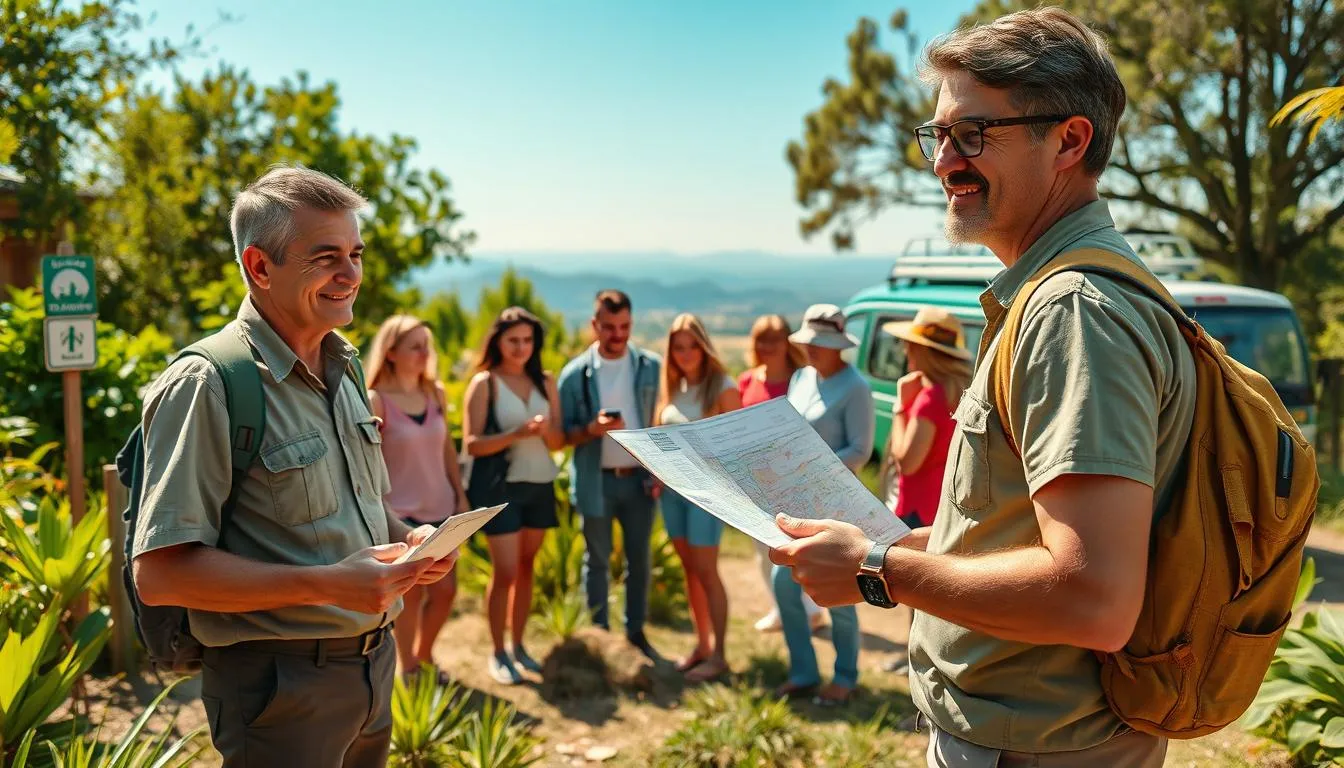 By being mindful of the activities and tours we choose, we can ensure that our travel experiences are not only enjoyable but also responsible and sustainable.
Mindful Eating While Traveling
When traveling, the food we choose to eat can significantly impact the local economy and environment. As a beginner traveler, making mindful choices can enhance your travel experience while supporting local communities. For more insights on global learning and mindful traveling, refer to resources like Yale’s guide to becoming world-wise.
Supporting Local Food Systems
Eating at local restaurants and street food stalls is a great way to support the local economy. Not only does it provide an authentic culinary experience, but it also ensures that your money is going directly to local businesses. As Anthony Bourdain once said, “Your body is not a temple, it’s an amusement park. Enjoy the ride.” This approach to food can lead to discovering unique flavors and dishes that are representative of the local culture.
Reducing Food Waste on the Road
Travelers can significantly reduce food waste by being mindful of their consumption. Here are some tips:
- Order only what you can finish.
- Choose restaurants that use locally sourced ingredients.
- Avoid single-use plastics and packaging.
Navigating Dietary Restrictions Respectfully
For travelers with dietary restrictions, it’s essential to navigate these requirements respectfully. Learning a few key phrases in the local language, such as “I am gluten-free” or “I don’t eat meat,” can go a long way. Additionally, being open to trying local dishes that accommodate your dietary needs can enhance your culinary experience.
Farm-to-Table Experiences Worth Seeking Out
Farm-to-table experiences offer a unique opportunity to connect with local farmers and understand the origin of your food. Here are some benefits:
| Benefits | Description |
|---|---|
| Freshness | Food is harvested at its peak freshness. |
| Sustainability | Supports local farmers and reduces carbon footprint. |
| Cultural Immersion | Offers a deeper connection to local culture and cuisine. |
Ethical Shopping and Souvenirs
Ethical shopping is a vital aspect of responsible travel, starting with the souvenirs you select. When you’re exploring new destinations, the items you purchase can have a significant impact on local communities and environments.
Understanding Problematic Souvenirs
Some souvenirs can inadvertently support harmful practices or contribute to the decline of local cultures. For instance, products made from endangered species or those that depict cultural symbols inappropriately can have negative consequences. It’s essential to be aware of these issues to make informed purchasing decisions.
Finding Authentic, Locally-Made Products
Opting for authentic, locally-made products is a great way to support local artisans and contribute to the local economy. Look for items that reflect the culture and craftsmanship of the area you’re visiting. These products not only serve as meaningful souvenirs but also help preserve traditional skills.
Fair Trade and Artisan Cooperatives
Fair trade practices ensure that artisans receive fair compensation for their work. Shopping from artisan cooperatives can help promote equitable trade practices and preserve traditional crafts. This approach to shopping supports sustainable livelihoods and fosters community development.
Meaningful Souvenirs That Support Communities
Choosing souvenirs that have a story behind them can make your travel experience more meaningful. These items not only serve as reminders of your trip but also contribute to the well-being of the communities you visit. By selecting souvenirs thoughtfully, you can enhance your travel experience while supporting sustainable travel practices.
Conclusion: Your Journey to Becoming a Responsible Traveler
Becoming a responsible traveler is a journey that requires commitment, awareness, and practice. By following the sustainable tourism guidelines and incorporating beginner travel tips into your trips, you can make a positive impact on the destinations you visit.
Traveling ethically is not just about the environment; it’s also about respecting local cultures and communities. By choosing to travel responsibly, you’re contributing to a more sustainable tourism industry that benefits both the traveler and the host community.
As you continue to explore the world, remember that every small action counts. By adopting responsible travel practices, you’re not only enhancing your own travel experiences but also helping to preserve the beauty and integrity of the destinations for future generations.
FAQ
What is responsible travel, and why is it important?
Responsible travel refers to the practice of traveling in a way that minimizes your impact on the environment, respects local cultures, and supports the local economy. It’s essential because it helps preserve destinations for future generations and promotes positive interactions between travelers and local communities.
How can I reduce my carbon footprint while traveling?
To reduce your carbon footprint, consider using public transportation, offsetting your flights, and choosing accommodations with sustainable practices. You can also reduce energy consumption by turning off lights and air conditioning when not in use.
What are some tips for respecting local customs and cultures?
To respect local customs, research the local culture before your trip, dress modestly, and learn a few essential phrases in the local language. Be mindful of your body language and avoid taking pictures of people or sacred sites without permission.
How can I choose sustainable accommodations?
When choosing accommodations, look for hotels or hostels that have implemented sustainable practices, such as energy-efficient lighting, waste reduction, and locally sourced materials. Check for green certifications like LEED or EarthCheck.
What is voluntourism, and how can I ensure it’s done responsibly?
Voluntourism involves volunteering while traveling. To ensure it’s done responsibly, research the organization thoroughly, understand the project’s impact, and be wary of projects that seem to prioritize tourist experiences over actual community benefits.
How can I support local economies while traveling?
Support local economies by eating at local restaurants, shopping at local markets, and using local transportation. You can also consider staying in locally owned accommodations and participating in community-based tourism initiatives.
What are some eco-friendly packing tips for travelers?
Pack lightly, choose reusable items like bags and water bottles, and avoid single-use plastics. Consider packing clothing made from sustainable materials and using eco-friendly toiletries.
How can I navigate dietary restrictions while traveling responsibly?
When navigating dietary restrictions, research local cuisine and ingredients, ask your hotel or tour operator for recommendations, and be open with your hosts or servers about your dietary needs. Choose locally sourced and seasonal food to support the local economy.