Beginner's Guide to Traveling with Kids
Family travel allows for quality time together, strengthening bonds between parents and children. Sharing experiences like exploring new places or trying new activities creates lasting connections. It's an opportunity to step away from daily routines and focus on what truly matters 鈥?family.


17 min read
Family vacations are a great way to create lifelong memories, but traveling with little ones* can be daunting. From tantrums to tedious car rides, it’s easy to feel overwhelmed. However, with some planning and preparation, you can turn your family adventure into a stress-free experience.
This guide is designed to help you navigate the challenges of traveling with children. We’ll share essential family travel tips to ensure that your next vacation is enjoyable for everyone. Whether you’re planning a road trip or a flight to a distant destination, our guide will help you prepare for a fun and memorable experience.
Key Takeaways
- Tips for planning a stress-free family vacation
- Strategies for keeping kids entertained during travel
- Essential items to pack for a family trip
- Advice for managing tantrums and meltdowns on the go
- Ideas for making family travel more enjoyable
The Benefits of Traveling with Children
Family travel is more than just a vacation; it’s an opportunity to create lifelong memories and skills. When planning family trips, considering the destinations and activities that are suitable for children is crucial. **
Kid-friendly destinations** often offer a variety of attractions that cater to all ages, making them ideal for family vacations.
Educational Opportunities and Life Skills
**
Traveling with children** provides a unique educational experience, exposing them to new cultures, histories, and ways of life. This broadens their perspectives and fosters independence and adaptability. By navigating unfamiliar places, kids learn valuable life skills such as problem-solving and resilience.
Strengthening Family Bonds
Family travel allows for quality time together, strengthening bonds between parents and children. Sharing experiences like exploring new places or trying new activities creates lasting connections. It’s an opportunity to step away from daily routines and focus on what truly matters family.
Creating Lasting Memories
The memories created during family trips are often cherished for a lifetime. From the excitement of planning the trip to the experiences had while traveling, every moment contributes to a family’s history. These memories not only bring joy but also serve as a reminder of the time spent together.
By understanding the benefits of traveling with children, families can better plan their trips to maximize these advantages. Effective planning of family trips involves considering the needs and interests of all family members, ensuring a enjoyable experience for everyone.
Planning Your Family Trip: First Steps
The key to a stress-free family trip lies in the planning, which involves understanding the needs and preferences of all family members. Effective planning can make a significant difference in creating a memorable and enjoyable experience for everyone.
Setting Realistic Expectations
When planning a family trip, it’s crucial to set realistic expectations. Consider the age and interests of your children, as well as any physical or emotional limitations they may have. **
Creating a trip that caters to everyone’s needs** will help ensure a harmonious and enjoyable journey.
For instance, if you’re traveling with toddlers, you might want to plan for more frequent breaks and flexible scheduling. On the other hand, if your children are older, they might be more open to a packed itinerary that includes various activities.
Best Times to Travel with Kids
Choosing the right time to travel with kids can greatly impact the success of your trip. Generally, traveling during off-peak seasons can result in fewer crowds and lower prices. However, it’s also essential to consider your children’s school schedules and other family commitments.
| Age Group | Best Time to Travel | Tips |
|---|---|---|
| --- | --- | --- |
| Infants (0-2 years) | Anytime, but avoid peak travel seasons | Bring essentials like diapers and formula |
| Toddlers (2-4 years) | Off-peak seasons | Plan for frequent breaks and nap times |
| School-age children (5+ years) | School holidays or summer breaks | Involve them in the planning process |
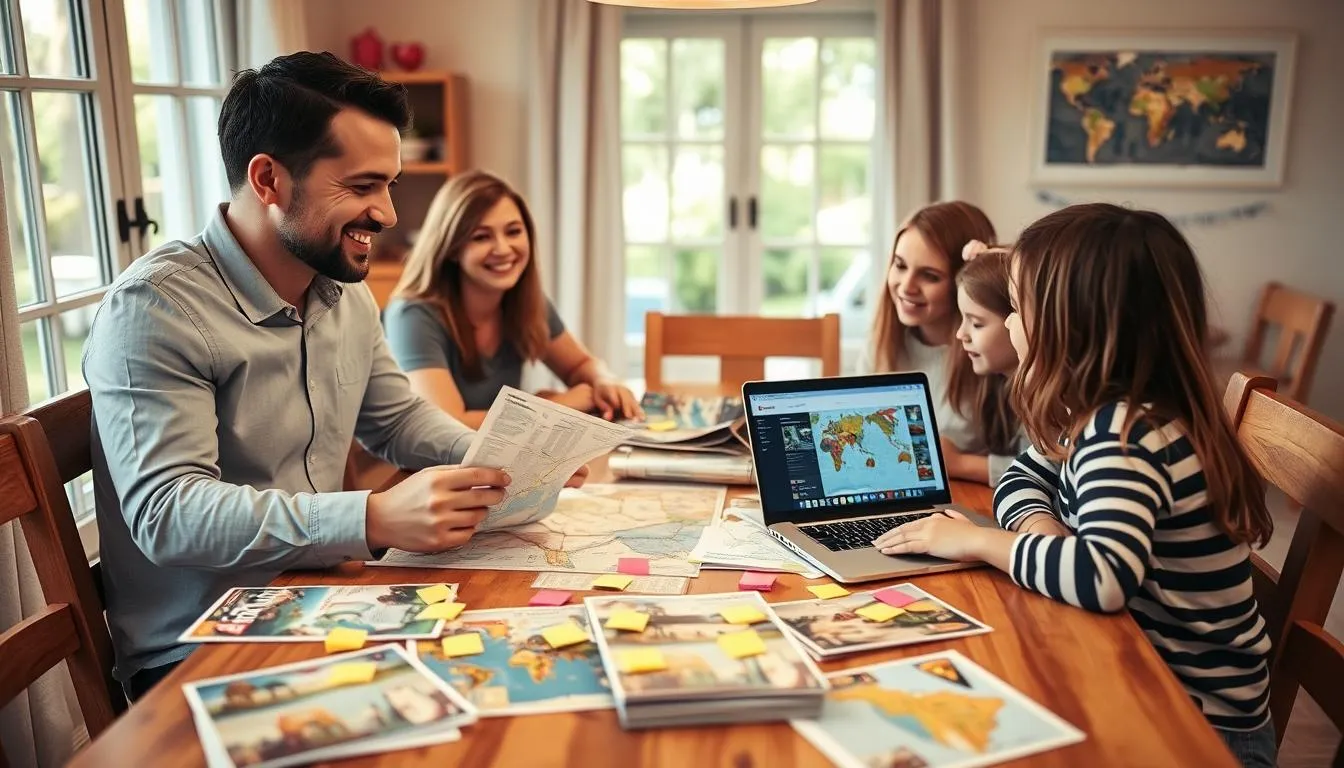
Involving your children in the planning process can be a great way to build their excitement and investment in the trip. **
Ask them about their preferences** and incorporate their ideas into your plans. This can be as simple as letting them help choose the destination or activities.
“The family that travels together, stays together.”
Unknown
For more detailed guidance on planning the perfect family itinerary, you can visit World Nomads for expert advice.
Creating a Flexible Itinerary
A flexible itinerary is crucial when traveling with children. Unexpected events or changes in mood can occur, and being able to adjust your plans accordingly can reduce stress and make the trip more enjoyable.
- Build in buffer times between activities
- Have a list of backup plans for indoor or alternative activities
- Be prepared to adjust your plans based on your family’s needs
Budgeting for Family Travel
Traveling with children can be expensive, but with the right budgeting strategies, families can have a great vacation without breaking the bank. Effective financial planning is key to a successful family trip.
Cost-Saving Strategies for Families
One of the most effective ways to save money on family travel is to plan ahead. Booking flights, hotels, and rental cars well in advance can result in significant savings. Additionally, considering off-peak travel times can help reduce costs.
Using travel rewards credit cards or loyalty programs can also provide substantial benefits, such as free flights or hotel stays. It’s also wise to pack snacks and prepare some meals instead of eating out for every meal.
Where to Splurge vs. Where to Save
Deciding where to splurge and where to save is crucial. For instance, spending a bit more on accommodations that offer free amenities like breakfast, parking, or kitchen facilities can be cost-effective in the long run.
**
Splurge on Experiences**: Invest in memorable experiences like theme park tickets or guided tours that will create lasting memories.
**
Save on Less Important Aspects**: Look for deals or alternatives for less critical aspects of your trip, such as opting for a hotel outside the city center or choosing a vacation rental with kitchen facilities.
Teaching Kids About Travel Budgeting
Involving children in the budgeting process can be a valuable learning experience. Explain the concept of budgeting and involve them in making some financial decisions, such as choosing between activities based on cost.
Giving kids a small allowance for incidentals can also teach them about money management. Encourage them to save a portion of their allowance for future trips.
| Budget Category | Tips for Saving | Tips for Splurging |
|---|---|---|
| --- | --- | --- |
| Accommodations | Opt for vacation rentals or budget hotels | Choose hotels with free amenities |
| Food | Prepare some meals, pack snacks | Dine at highly-rated local restaurants |
| Activities | Look for free or low-cost activities | Invest in memorable experiences like theme parks |
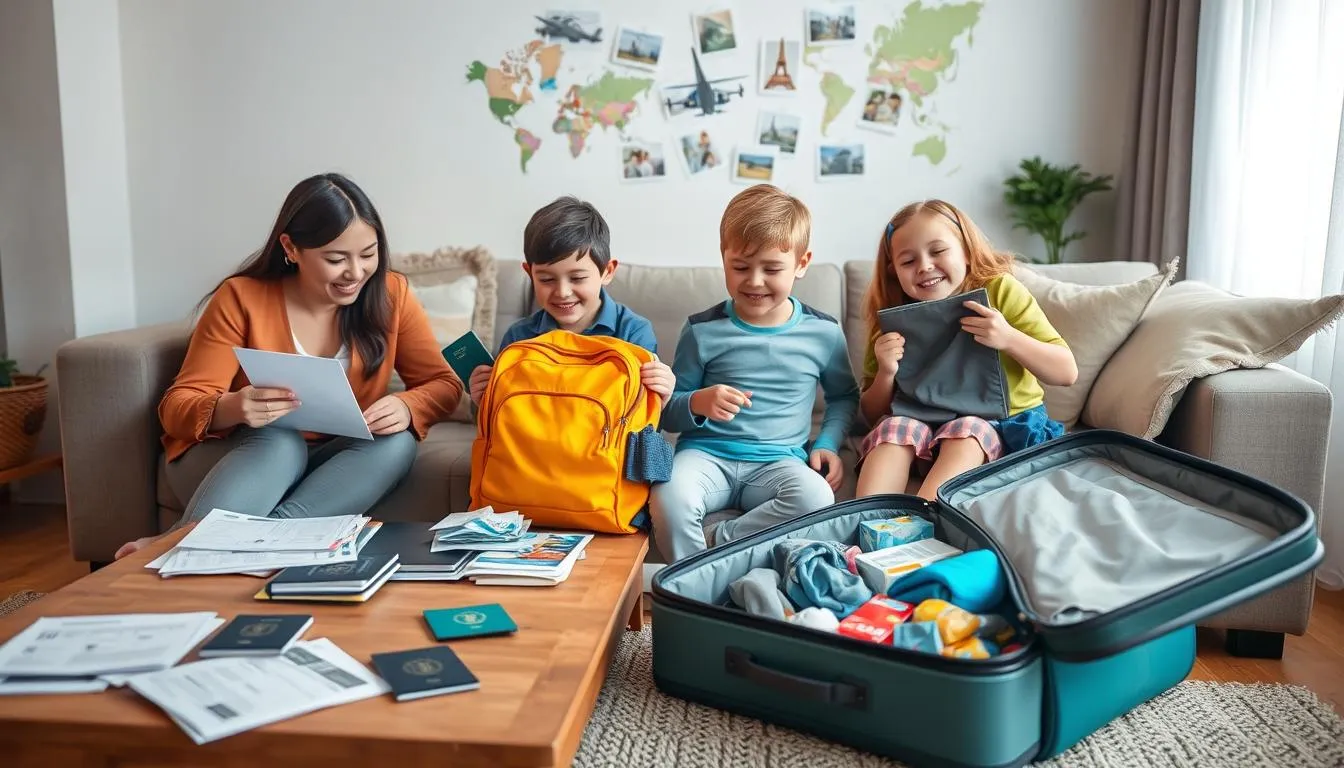
Before embarking on your family adventure, make sure you’re well-prepared with the right documents and safety precautions. Traveling with children requires careful planning to ensure a smooth and enjoyable experience for everyone.
Required Travel Documents for Children
When traveling, especially internationally, having the correct documents is crucial. For children, this typically includes a valid passport. Some countries also require a visa, so it’s essential to check the specific requirements for your destination. Additionally, if you’re traveling with a child who is not your biological child, you may need to carry additional documentation, such as a birth certificate or a letter of authorization from the parents.
Travel Insurance for Families
Travel insurance is a vital consideration for families. It can provide coverage for unexpected medical expenses, trip cancellations, and lost luggage. Look for a policy that specifically caters to families and covers your children’s needs. Some insurance providers offer additional benefits like coverage for children’s activities or equipment.
Emergency Contact Plans
Having an emergency contact plan in place can provide peace of mind. Make sure that all family members know what to do in case of an emergency, including knowing the local emergency numbers and having a designated meeting spot. It’s also wise to leave a copy of your itinerary with a trusted friend or family member back home.
Health Precautions and First Aid Essentials
Health precautions are paramount when traveling with kids. Ensure that all family members are up-to-date on their vaccinations and consult with your doctor about any specific health concerns related to your destination. Packing a first aid kit with essentials like band-aids, antiseptic wipes, and any personal medications is also a must.
By taking care of these essential documents and safety preparations, you can significantly reduce the stress associated with family travel and focus on creating wonderful memories.
Packing Strategies for Traveling with Children
When it comes to family travel, packing efficiently is crucial for a stress-free vacation. The right packing strategies can make a significant difference in how enjoyable your trip is for both kids and adults.
Creating the Ultimate Family Packing List
Creating a comprehensive packing list is the first step towards a well-organized family trip. Start by listing essentials such as clothing, toiletries, and medications. Don’t forget to include items like snacks, entertainment for the journey, and a first-aid kit. For more detailed packing tips, you can refer to resources like family vacation packing tips.
Essential Items for Different Age Groups
Packing needs vary significantly across different age groups. Here’s a breakdown:
Infants (0-1 year)
- Diapers and wipes
- Baby formula and bottles
- Soft toys and baby blankets
Toddlers (1-3 years)
- Extra clothing for accidents
- Favorite toys and books
- Child-friendly snacks
School-Age Children (4-12 years)
- Entertainment for downtime (books, games)
- Headphones or earphones
- Any necessary medications or personal care items
Space-Saving Packing Techniques
To maximize luggage space, consider rolling clothing instead of folding it. Use packing cubes to organize items and compress clothing to make the most of your luggage space. For families, it’s also helpful to assign a specific luggage tag or color to each family member to avoid confusion.
| Packing Technique | Description | Benefit |
|---|---|---|
| --- | --- | --- |
| Rolling Clothing | Roll clothes instead of folding | Reduces wrinkles and saves space |
| Packing Cubes | Organize items into cubes | Easy to find items and compress clothing |
| Luggage Tags | Assign tags or colors to family members | Reduces luggage mix-ups |
Transportation Tips When Traveling with Children
When planning family trips, choosing the right transportation is crucial for a stress-free vacation. Traveling with children can be challenging, but with the right strategies, you can make your journey smoother and more enjoyable for everyone.
Air Travel with Kids
Air travel with children requires some special considerations. From preparing for airport security to keeping kids entertained during the flight, there are several ways to make air travel more manageable.
Surviving Airport Security
Airport security can be daunting with kids. To make the process smoother, consider preparing your kids in advance by explaining what to expect. Wear easy-to-remove shoes, and avoid wearing anything with metal to simplify the security check.
In-Flight Entertainment Ideas
Keeping kids entertained during a flight is crucial. Bring a tablet loaded with their favorite shows, games, and apps. You can also pack coloring books and travel-sized games to keep them occupied.
Road Trip Strategies
Road trips offer a fun way to travel with kids, providing the flexibility to stop whenever needed. Planning is key to a successful road trip.
Planning Breaks and Stops
Regular breaks are essential on road trips. Plan your route to include kid-friendly stops such as parks, rest areas, or attractions along the way. This helps break up the journey and keeps kids happy.
Car Activities and Games
Car activities can make a big difference on road trips. Classics like “I Spy” and road trip bingo are great for keeping kids entertained. Consider investing in a portable DVD player or a car charger for your tablet.
Train and Public Transportation Advice
Traveling by train or public transportation can be a great way to see the country with kids. It allows for more movement than flying and can be more scenic than driving.
When using public transportation, be sure to plan your route in advance and check schedules to avoid any last-minute changes. Bringing snacks and entertainment can also help make the journey more enjoyable.
| Transportation Mode | Tips for Kids | Entertainment Ideas |
|---|---|---|
| --- | --- | --- |
| Air Travel | Prepare for security checks | Tablets, coloring books |
| Road Trips | Plan regular breaks | Road trip bingo, portable DVD players |
| Train/Public Transport | Plan route, check schedules | Snacks, travel-sized games |
Kid-Friendly Destinations for Family Trips
When it comes to family travel, selecting a kid-friendly destination is crucial for a stress-free vacation. The right destination can make all the difference in creating lasting memories for your family.
Beach Destinations for Families
Beach destinations are always a hit with kids, offering a mix of relaxation and activities like swimming, building sandcastles, and water sports. Some top beach destinations for families include Orlando Beach, San Diego, and Outer Banks.
National Parks and Outdoor Adventures
For families who love the outdoors, national parks offer a wealth of opportunities for exploration and adventure. Parks like Yellowstone, Yosemite, and the Grand Canyon provide educational experiences and activities like hiking, camping, and wildlife watching.
City Breaks with Educational Value
City breaks can be both entertaining and educational for kids. Cities like Washington D.C., with its numerous museums and historical landmarks, or New York City, with its iconic attractions, offer a variety of experiences that can cater to different interests.
International Destinations Perfect for First-Time Family Travelers
For families looking to venture abroad, destinations like Cancun, Mexico, or Punta Cana, Dominican Republic, offer all-inclusive resorts that cater specifically to families. These locations provide a stress-free introduction to international travel.
| Destination Type | Examples | Best For |
|---|---|---|
| --- | --- | --- |
| Beach Destinations | Orlando Beach, San Diego | Relaxation, Water Activities |
| National Parks | Yellowstone, Yosemite | Outdoor Adventures, Education |
| City Breaks | Washington D.C., New York City | Education, Cultural Experiences |
| International Destinations | Cancun, Punta Cana | All-inclusive Resorts, Stress-free Travel |
When traveling with children, parents often encounter a range of challenges that can test their resolve. From dealing with jet lag to handling tantrums, family travel requires careful planning and flexibility.
Dealing with Jet Lag and Sleep Disruptions
Jet lag can be a significant challenge when traveling across time zones with kids. To minimize its impact, consider adjusting your children’s sleep schedules a few days before your trip to align with your destination’s time zone. **
Gradual adjustments** can make a big difference.
For younger children, maintaining a consistent bedtime routine can provide comfort in new environments. For older kids, encourage them to stay awake during the day and sleep at the local night time to adjust their internal clocks faster.
Handling Meltdowns and Tantrums
Meltdowns are inevitable when traveling with kids. Being prepared with distractions like toys, games, or tablets loaded with their favorite shows can be a lifesaver. Understanding the triggers, such as hunger or tiredness, and addressing them promptly can prevent many tantrums.
For more tips on managing meltdowns, you can refer to resources like 56 Tips for Travelling with Kids, which offers valuable insights into making family travel smoother.
Navigating Picky Eating While Away from Home
Picky eating is a common challenge when traveling. Packing some of their favorite snacks can help. Researching kid-friendly restaurants or accommodations with kitchen facilities can also make mealtime easier.
Involving kids in meal planning can encourage them to try new foods. Creating a flexible meal plan that includes both familiar and new options can reduce mealtime stress.
Addressing Health Issues During Travel
Health issues can arise during travel. Being prepared with a basic first-aid kit and knowing when to seek medical attention is crucial. Researching healthcare options at your destination beforehand can provide peace of mind.
| Health Issue | Precaution | Action |
|---|---|---|
| --- | --- | --- |
| Motion Sickness | Medication before travel | Provide fresh air or change seats |
| Dehydration | Encourage fluid intake | Monitor for signs of dehydration |
| Minor Injuries | First-aid kit on hand | Apply basic first aid |
Conclusion: Making Family Travel a Positive Experience
Family travel is a rewarding experience that can strengthen bonds, create lifelong memories, and provide a much-needed break from daily routines. By applying the family travel tips outlined in this guide, families can navigate the challenges of traveling with children and make the most of their adventures.
Choosing kid-friendly destinations is crucial to ensuring a enjoyable trip for all family members. Whether you’re planning a beach vacation, an outdoor adventure, or a city break, careful planning and flexibility are key to a successful family trip.
By being prepared, staying patient, and involving your children in the planning process, you can create a positive and memorable experience for your family. So pack your bags, grab your cameras, and get ready to make some unforgettable memories with your loved ones.
FAQ
What are some kid-friendly destinations for a family vacation?
Some popular kid-friendly destinations include beach resorts like those found in Florida or Hawaii, national parks such as Yellowstone or the Grand Canyon, and cities with educational attractions like Washington D.C. or San Diego.
How can I involve my children in the planning process for our family trip?
You can involve your children by asking for their input on destinations, activities, and accommodations. Let them help with researching and creating a list of things they want to do and see during the trip.
What are some cost-saving strategies for family travel?
Cost-saving strategies include booking accommodations and flights well in advance, considering off-season travel, packing snacks and preparing your own meals, and looking for free or low-cost activities at your destination.
How can I manage jet lag when traveling with kids?
To manage jet lag, try adjusting your family’s sleep schedule a few days before traveling to align with your destination’s time zone, stay hydrated, and encourage outdoor activities during the day to help regulate your body’s internal clock.
What are some essential documents required for traveling with children?
Essential documents may include a valid passport, birth certificate, and any required visas for international travel. For domestic travel, a government-issued ID and health insurance card may be necessary.
How can I keep my kids entertained during long car rides or flights?
Bring along a variety of entertainment such as tablets loaded with their favorite shows, travel-sized games, coloring books, and snacks. You can also create a scavenger hunt or play car games like “I Spy” to keep them engaged.
What health precautions should I take when traveling with kids?
Consult with your pediatrician before traveling, especially if your child has a pre-existing condition. Pack a first-aid kit, ensure your child is up-to-date on vaccinations, and take precautions against insect-borne illnesses.
How can I teach my kids about travel budgeting?
Involve your kids in the budgeting process by explaining the costs associated with travel and setting a daily spending allowance for them. Encourage them to make choices within that budget, teaching them the value of money.