Best Practices for Sustainable Travel in National Parks
The growing popularity of national parks has sparked concerns about the environmental impact of tourism on these treasured landscapes. As visitation numbers rise, the delicate ecosystems within these parks face unprecedented challenges.


17 min read
As travelers, we have a responsibility to preserve the natural beauty of our planet’s most stunning destinations. **
National parks** are a treasure trove of diverse ecosystems, wildlife, and landscapes, making them a popular choice for outdoor enthusiasts.
However, with the increasing number of visitors, it’s essential to adopt sustainable travel practices to minimize our impact on these delicate environments. By embracing eco-friendly habits, we can help protect the very essence of these incredible places.
Key Takeaways
- Plan ahead and research your destination
- Reduce your carbon footprint by using public transport or carpooling
- Respect wildlife and their habitats
- Reduce, Reuse, Recycle: minimize your waste
- Support local communities and conservation efforts
The Environmental Impact of Tourism on National Parks
The growing popularity of national parks has sparked concerns about the environmental impact of tourism on these treasured landscapes. As visitation numbers rise, the delicate ecosystems within these parks face unprecedented challenges.
Tourism can have far-reaching effects on national parks, from soil erosion and wildlife disturbance to increased pollution and strain on park resources. Understanding these impacts is crucial for preserving nature while traveling and ensuring that these areas remain vibrant for future generations.
Current Challenges Facing America’s National Parks
America’s national parks are currently facing numerous challenges, including overcrowding, habitat destruction, and climate change. These issues are compounded by limited funding and resources, making it difficult for park managers to maintain the balance between conservation and visitor access.
| Challenge | Impact | Potential Solution |
|---|---|---|
| --- | --- | --- |
| Overcrowding | Soil erosion, trail damage | Limit visitor numbers, improve infrastructure |
| Habitat destruction | Loss of biodiversity | Implement habitat restoration programs |
| Climate change | Rising temperatures, altered ecosystems | Reduce carbon footprint, support climate initiatives |
**
Sustainable tourism** practices are essential for minimizing the negative impacts of tourism and maximizing the benefits for local communities and the environment. By adopting green adventures and responsible travel habits, visitors can help ensure that national parks continue to thrive.
Embracing sustainable tourism is not just about reducing harm; it’s about creating a positive legacy for future generations. By making conscious choices, travelers can contribute to the preservation of these natural wonders.
Planning Your Green Adventure
To truly experience the beauty of national parks, it’s essential to plan your visit with sustainability in mind. This involves several key steps that not only enhance your experience but also contribute to the preservation of these natural wonders.
Researching Park-Specific Conservation Guidelines
Before heading out, it’s crucial to research the specific conservation guidelines for the national park you plan to visit. This can be done by:
- **
Using Official Park Websites and Resources**: Most national parks have comprehensive websites that provide detailed information on rules, regulations, and best practices for visitors.
- **
Understanding Local Ecosystem Sensitivities**: Familiarize yourself with the local flora and fauna to avoid disturbing the natural balance.
Using Official Park Websites and Resources
Official park websites are a treasure trove of information, offering insights into park-specific conservation efforts and guidelines for sustainable tourism. For more information on sustainable travel practices, you can visit Green America’s sustainable travel guide.
Understanding Local Ecosystem Sensitivities
Understanding the local ecosystem is vital to minimize your impact. This includes knowing which areas are sensitive and should be avoided.
Selecting Less Crowded Seasons and Times
Visiting during less crowded seasons can significantly reduce your environmental footprint. It also enhances your experience by allowing for a more peaceful connection with nature.
Creating a Minimal Environmental Impact Itinerary
Plan your itinerary to minimize waste and reduce your carbon footprint. This can include choosing hiking trails that are less prone to erosion and avoiding peak travel times.
Sustainable Transportation to and Within Parks
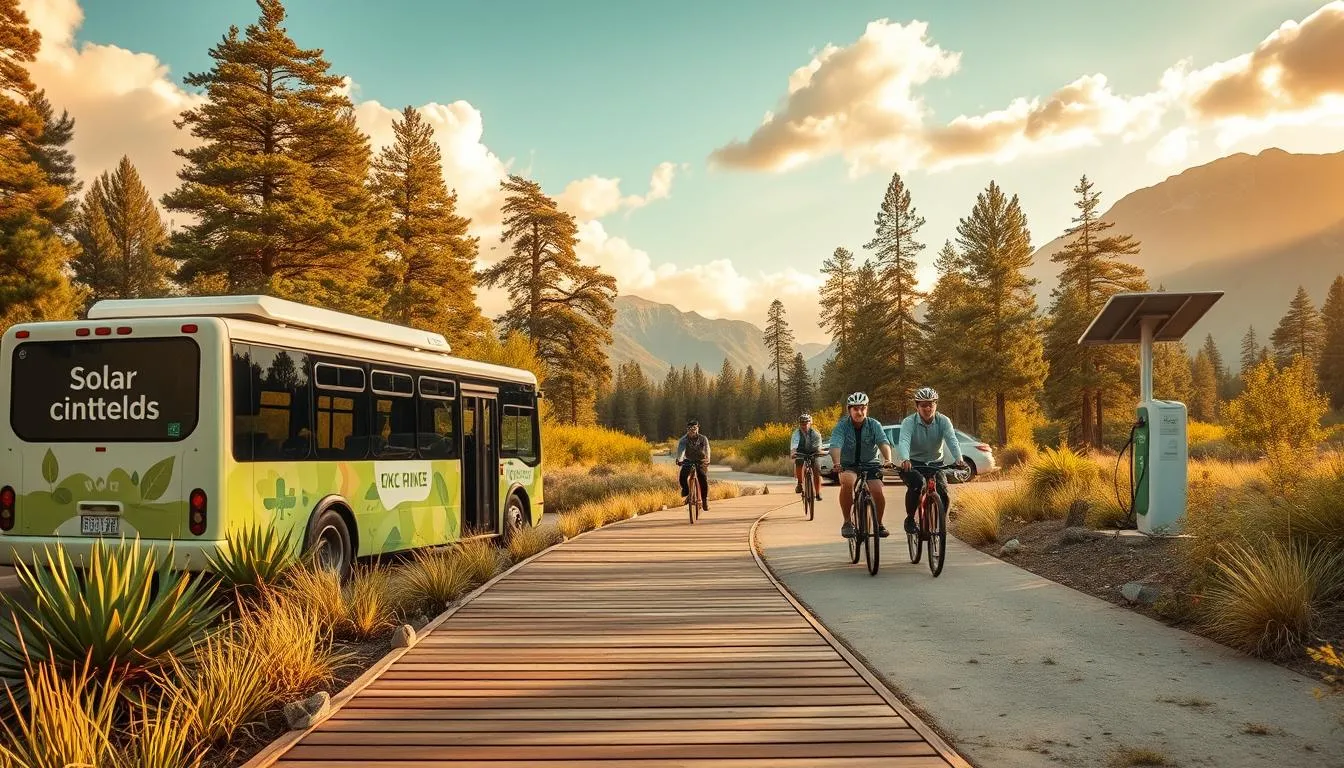
Eco-friendly transportation options are vital for reducing our carbon footprint in national parks. As we strive to preserve nature while traveling, the way we get to and move around these beautiful areas is crucial.
Reducing Carbon Footprint When Traveling to Parks
One of the most effective ways to reduce our environmental impact is by minimizing our carbon footprint when traveling to national parks. This can be achieved through various methods.
Carpooling and EV Options
**
Carpooling** is a simple yet effective way to reduce emissions. By sharing a ride with others, we can significantly lower the number of vehicles on the road. Additionally, opting for **
Electric Vehicles (EVs)** or hybrid cars can further decrease our carbon footprint.
Carbon Offset Programs for Travelers
For those who cannot reduce their travel emissions directly, carbon offset programs offer a viable alternative. These programs allow travelers to compensate for their emissions by investing in projects that reduce greenhouse gas emissions elsewhere.
Using Park Shuttles and Public Transportation
Once at the park, using park shuttles and public transportation can greatly reduce the number of private vehicles within the park. Many national parks offer shuttle services that not only reduce congestion but also provide visitors with a more enjoyable experience.
Eco-Friendly Alternatives: Biking and Hiking
For a more immersive experience, biking and hiking are excellent eco-friendly alternatives. These modes of transportation allow visitors to connect with nature while minimizing their environmental impact. Many parks offer bike rentals and guided hiking tours, making it easier for visitors to explore without relying on motorized vehicles.
Responsible Camping and Accommodation Choices
When visiting eco-friendly national parks, making responsible camping and accommodation choices is crucial for preserving the environment. As more people seek outdoor adventures, the impact on these sensitive ecosystems grows. By choosing sustainable options, visitors can help protect the natural beauty of national parks for future generations.
Leave No Trace Camping Principles
The Leave No Trace principles provide a framework for minimizing environmental impact while camping. These guidelines emphasize the importance of respecting nature and other visitors.
Proper Campsite Selection and Setup
Choosing the right campsite is crucial. Visitors should select durable surfaces and avoid areas that are sensitive or protected. Proper setup involves setting up camp in a way that minimizes impact on the surrounding environment.
Minimizing Campfire Impact
Campfires can have a significant environmental impact. To minimize this, use established fire rings, keep fires small, and ensure they are fully extinguished before leaving. As the National Park Service advises, ”**
Use a camp stove for cooking and keep fires small**.”
Eco-Certified Lodging Options Near National Parks
For those who prefer not to camp, eco-certified lodging options near national parks offer a sustainable alternative. These lodgings are designed to minimize environmental impact while providing comfortable accommodations. Look for certifications like LEED or programs specific to the hospitality industry that recognize sustainable practices.
Minimizing Resource Consumption During Your Stay
Regardless of whether you’re camping or staying in a lodge, minimizing resource consumption is key. This includes conserving water, reducing energy use, and minimizing waste. Simple actions, such as turning off lights and using reusable containers, can make a significant difference.
By adopting these practices, visitors can contribute to the preservation of national parks. As
“The future of our parks depends on the choices we make today.”
, emphasizing the importance of sustainable travel practices.
Waste Management While Exploring
The pristine condition of national parks depends on our ability to manage waste effectively. As visitors, we have a responsibility to minimize our environmental footprint and preserve the natural beauty of these areas for future generations.
Zero-Waste Packing Strategies
Adopting zero-waste packing strategies is a crucial step in reducing the amount of waste generated during your visit. This includes packing reusable items such as water bottles, bags, and containers. By doing so, you not only reduce waste but also minimize the need for single-use plastics and other disposable items.
Proper Disposal of Different Types of Waste
Understanding how to dispose of different types of waste properly is essential. This includes recycling, composting, and disposing of hazardous waste. For more information on sustainable practices, you can refer to plans and guidelines set by conservation agencies, such as those found on the Parks Canada website.
Participating in Park Clean-Up Initiatives
Many national parks offer clean-up initiatives that visitors can participate in. Joining these efforts is a great way to give back to the park and help maintain its beauty. It’s also an opportunity to educate others about the importance of waste management and conservation.
By implementing these strategies, we can significantly reduce our impact on national parks and help preserve their natural beauty. Effective waste management is a collective responsibility that requires the participation of all visitors.
Water Conservation Techniques for Park Visitors
Visitors to national parks can play a significant role in protecting these areas by adopting water conservation techniques. By being mindful of water usage, visitors can help preserve the natural beauty and resources of these parks.
Reducing Water Usage During Your Visit
One of the simplest ways to conserve water is by reducing usage during your stay. Take shorter showers and turn off the tap while brushing your teeth. For more information on sustainable practices, you can visit our guide on eco-friendly outdoor practices.
Protecting Natural Water Sources in Parks
It’s crucial to protect the natural water sources within national parks. This includes being careful around lakes and streams.
Safe Practices Around Lakes and Streams
When visiting lakes and streams, avoid throwing trash or waste into the water. Keep a safe distance from wildlife and avoid disturbing the natural habitat.
Biodegradable Soap and Cleaning Products
Use biodegradable soap and cleaning products to minimize the impact on water sources. These products break down more easily and are less harmful to the environment.
| Water Conservation Tip | Description | Impact |
|---|---|---|
| --- | --- | --- |
| Take shorter showers | Reduce water usage by limiting shower time | Conserves water |
| Use biodegradable soap | Choose soap that breaks down easily in water | Protects water sources |
| Avoid waste disposal in water | Keep trash out of lakes and streams | Maintains water quality |
Wildlife Interaction Guidelines
As we embark on green adventures in national parks, it’s essential to follow wildlife interaction guidelines to ensure a safe and enjoyable experience for both visitors and animals.
Observing Animals Safely and Respectfully
Observing wildlife in their natural habitat can be a thrilling experience, but it requires maintaining a safe distance to avoid disturbing them. Using the right equipment can enhance your viewing experience without encroaching on the animals’ space.
Safe Viewing Distances for Different Species
The safe viewing distance varies by species; for example, bears and moose require a larger distance compared to deer or birds. Understanding these distances is crucial for a safe visit.
Using Binoculars and Zoom Lenses
**
Binoculars and zoom lenses** are excellent tools for getting a closer look at wildlife without approaching them. This not only ensures your safety but also reduces stress on the animals.
Understanding Why Feeding Wildlife Is Harmful
Feeding wildlife can disrupt their natural diet and lead to dependency on human food, causing harm to their health and altering their behavior. It’s crucial to keep food and trash secure to avoid attracting animals.
Reporting Wildlife Concerns to Park Rangers
If you encounter injured, orphaned, or aggressive wildlife, it’s essential to report it to park rangers immediately. They are trained to handle such situations and ensure both human and animal safety.
Sustainable Food Practices in National Parks
Eco-friendly eating habits are essential for maintaining the delicate ecosystem within national parks. Visitors can make a significant difference by adopting sustainable food practices during their stay.
Packing Eco-Friendly Meals and Snacks
Packing meals and snacks in reusable containers and bags reduces waste. Choosing locally sourced, organic produce supports local economies and minimizes carbon footprint. Avoiding single-use plastics is a simple yet effective step towards sustainability.
Supporting Sustainable Food Vendors in Parks
When purchasing food within national parks, opting for vendors that adhere to sustainable practices is crucial. These vendors often source ingredients locally and implement waste reduction strategies. For more information on sustainable food practices, refer to resources like Food For The Parks: A Roadmap.
Proper Food Storage to Protect Wildlife
Proper food storage is vital to prevent attracting wildlife. Using airtight containers and keeping a clean campsite are simple measures to protect both visitors and animals. This practice is part of a broader set of sustainable travel tips that help preserve the natural environment.
Technology and Apps for Eco-Friendly National Parks Visits
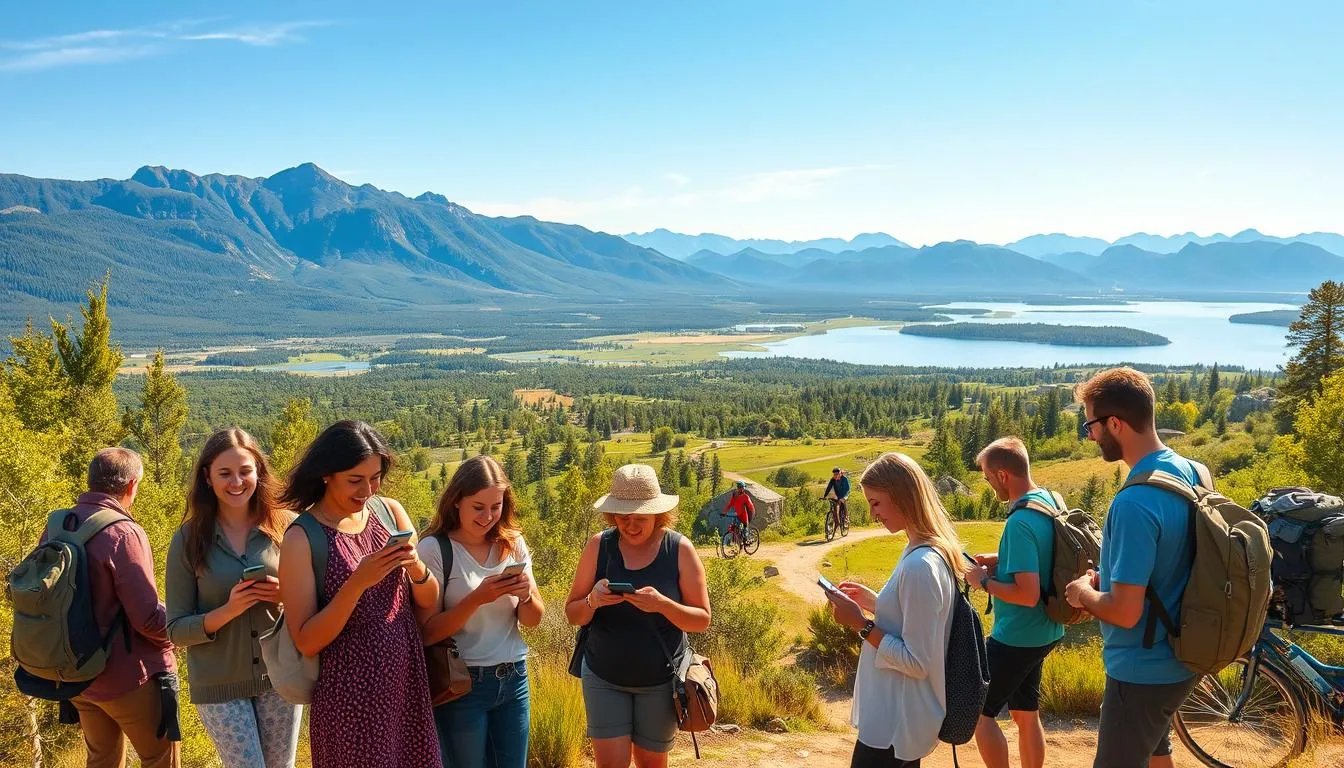
As we strive to preserve nature while traveling, technology offers innovative solutions for green adventures. The use of digital tools and applications can significantly enhance the sustainability of our visits to national parks.
Digital Maps and Guides to Reduce Paper Waste
One of the simplest ways to reduce our environmental footprint is by switching to digital maps and guides. Many national parks now offer downloadable maps on their websites or through mobile apps, reducing the need for printed materials. For instance, the National Recreation and Park Association highlights how parks are using technology to engage visitors and promote sustainability.
Apps for Identifying Flora and Fauna Responsibly
Several apps are designed to help visitors identify the flora and fauna they encounter without causing harm. Apps like iNaturalist allow users to record observations and learn about the species they encounter, promoting a deeper understanding and respect for the natural environment.
| App Name | Purpose | Platform |
|---|---|---|
| --- | --- | --- |
| iNaturalist | Identify flora and fauna | iOS, Android |
| National Park Service App | Park information and maps | iOS, Android |
| Seek | Identify plants and animals | iOS, Android |
Capturing the beauty of national parks through photography can be a powerful way to inspire conservation, but it’s crucial to do so responsibly. As visitors, we have the opportunity to promote eco-friendly practices and support conservation efforts through our photography and social media activities.
Ethical Photography in Natural Settings
Photographing in national parks requires a balance between capturing stunning images and preserving the natural environment. This involves being mindful of our surroundings and the impact of our actions.
Staying on Designated Paths for Photos
To minimize our footprint, it’s essential to stay on designated paths when taking photos. Venturing off trails can damage habitats and disturb wildlife. By staying on track, we can enjoy the beauty of the parks without causing harm.
Avoiding Geo-tagging Sensitive Locations
When sharing photos on social media, it’s crucial to avoid geo-tagging sensitive locations. This helps prevent overcrowding and protects vulnerable areas within the parks. By being thoughtful about what we share, we can help preserve these areas for future visitors.
Using Social Media to Promote Conservation Awareness
Social media platforms offer a powerful tool for promoting conservation awareness. By sharing photos and stories from national parks, we can inspire others to adopt sustainable travel tips and appreciate the importance of eco-friendly national parks. Let’s use our social media presence to support conservation efforts and encourage responsible travel practices.
America’s Most Eco-Friendly National Parks
With a growing interest in preserving nature while traveling, certain national parks in the U.S. have become beacons of eco-friendly tourism. These parks not only showcase America’s natural beauty but also lead in sustainability initiatives.
Parks Leading in Sustainability Initiatives
Some national parks have taken significant steps towards reducing their environmental footprint. For instance, **
Yellowstone National Park** has implemented various initiatives, including energy-efficient facilities and waste reduction programs.
Model Conservation Programs Worth Supporting
Several parks have conservation programs that visitors can support. **
Grand Canyon National Park**, for example, offers educational programs and conservation efforts that visitors can participate in, enhancing their green adventure experience.
Learning from Park-Specific Eco-Practices
Each park has its unique eco-practices. For example, **
Zion National Park** has implemented a shuttle service to reduce traffic congestion, while **
Acadia National Park** focuses on habitat restoration. Visitors can learn from these practices and apply them to their own travels.
| Park | Sustainability Initiative |
|---|---|
| Yellowstone | Energy-efficient facilities |
| Grand Canyon | Conservation education programs |
| Zion | Shuttle service to reduce congestion |
As we explore the beauty of America’s national parks, it’s essential to remember our role in preserving these natural treasures for future generations. By adopting eco-friendly national parks practices, we can minimize our impact on the environment and promote conservation awareness.
By implementing sustainable travel tips, such as reducing waste, using public transportation, and respecting wildlife, we can help protect the delicate balance of these ecosystems. Every small action counts, and collective efforts can make a significant difference in preserving the natural beauty of our national parks.
As we conclude our journey through the world of sustainable travel, we encourage you to become a steward of America’s natural treasures. By making conscious choices and promoting environmentally friendly practices, we can ensure that these incredible destinations remain vibrant and healthy for years to come.
FAQ
What are some eco-friendly practices I can follow while visiting national parks?
To minimize your impact, consider using reusable water bottles, bringing eco-friendly snacks, and opting for sustainable transportation options like carpooling or using electric vehicles. Additionally, be sure to follow park guidelines and regulations to help preserve the natural environment.
How can I plan a green adventure in national parks?
Start by researching park-specific conservation guidelines and selecting less crowded seasons and times to visit. You can also create a minimal environmental impact itinerary by choosing activities that have a low impact on the environment, such as hiking or birdwatching.
What are some sustainable transportation options to and within national parks?
Consider carpooling, using electric or hybrid vehicles, or taking public transportation to reduce your carbon footprint. Once inside the park, use park shuttles, bike, or hike to get around, as these options are more environmentally friendly.
How can I minimize waste while exploring national parks?
Adopt zero-waste packing strategies by bringing reusable containers, bags, and water bottles. Properly dispose of different types of waste, and consider participating in park clean-up initiatives to help maintain the park’s cleanliness.
What are some water conservation techniques I can use while visiting national parks?
Reduce water usage by taking shorter showers and turning off taps while brushing your teeth. Be sure to protect natural water sources by using biodegradable soap and avoiding pollution. Additionally, follow safe practices around lakes and streams to prevent erosion and maintain water quality.
How can I responsibly interact with wildlife in national parks?
Observe animals safely and respectfully by maintaining safe viewing distances and using binoculars or zoom lenses. Never feed wildlife, as this can harm both humans and animals. Report any wildlife concerns to park rangers to help ensure a safe and enjoyable experience for both visitors and wildlife.
What are some sustainable food practices I can follow in national parks?
Pack eco-friendly meals and snacks, and consider supporting sustainable food vendors within the park. Properly store food to protect wildlife, and avoid bringing or disposing of food waste in the park.
How can technology and apps enhance my eco-friendly national parks visit?
Utilize digital maps and guides to reduce paper waste, and take advantage of apps that help identify flora and fauna responsibly. These tools can enhance your visitor experience while promoting sustainability and conservation.
What are some responsible photography and social media practices I can follow in national parks?
Practice ethical photography by staying on designated paths, avoiding geo-tagging sensitive locations, and respecting wildlife and their habitats. Use social media to promote conservation awareness by sharing your experiences and tips for sustainable travel.