Budget-Friendly Travel Hacks for Exploring Europe
With careful planning and research, you can enjoy a fulfilling European adventure without breaking the bank. The key to a successful budget trip lies in understanding the factors that influence your expenses and making informed decisions.


16 min read
Are you ready to explore Europe without breaking the bank? With the right *travel tips, you can experience the rich history, culture, and beauty of Europe on a budget. In this article, we’ll share some valuable hacks to help you make the most of your trip.
From avoiding crowded tourist spots to saving on accommodations, we’ve got you covered. For instance, booking major sights in advance on the official site can help you avoid higher prices from third-party resellers. You can also check out resources like Rick Steves’ travel hacks for more insider tips.
Key Takeaways
- Book major sights in advance to avoid higher prices
- Use local guides and WhatsApp to avoid roaming charges
- Stay in less-crowded, cheaper towns near major destinations
- Tap-to-pay for transit where available to maximize savings
- Follow local news to anticipate events that could affect costs or itineraries
Planning Your Budget European Adventure
With careful planning and research, you can enjoy a fulfilling European adventure without breaking the bank. The key to a successful budget trip lies in understanding the factors that influence your expenses and making informed decisions.
When to Visit Europe for the Best Deals
Timing is everything when it comes to affordable travel. Visiting Europe during the right season can significantly impact your expenses.
Shoulder Season Benefits
The shoulder season*, which typically falls in April-May and September-October, offers a great balance between comfortable weather and lower prices. During this period, you can enjoy popular destinations without the peak season crowds.
Avoiding Tourist Peak Periods
Peak tourist seasons, such as June-August and December, come with higher prices for accommodations and tourist attractions. Planning your trip around these periods can help you save money.
Setting a Realistic Travel Budget
Creating a realistic budget is crucial for a stress-free trip. Consider all potential expenses, including transportation, accommodation, food, and activities. For more detailed budgeting tips, visit budgeting European travel.
| Expense Category | Estimated Cost |
|---|---|
| Transportation | $200-$500 |
| Accommodation | $300-$800 |
| Food and Drink | $300-$600 |
| Attractions and Activities | $100-$300 |
Before embarking on your journey, it’s essential to gather as much information as possible. Utilize travel blogs, guidebooks, and online forums to understand the best practices for affordable travel strategies. Researching your destinations will help you make informed decisions and avoid costly surprises.
Finding Affordable Flights to Europe
Securing affordable flights to Europe is a crucial step in planning a cost-effective European adventure. With numerous airlines, flight search engines, and booking strategies available, travelers can significantly reduce their travel expenses.
Best Flight Search Engines and Aggregators
Utilizing the right flight search engines can make a significant difference in finding cheap flights. Popular options include **
Google Flights**, **
Skyscanner**, and **
Kayak**. These platforms aggregate prices from various airlines, online travel agencies, and meta-search engines, ensuring that travelers get the best deals.
Optimal Booking Windows for Cheap Flights
Timing is everything when it comes to booking flights. Research suggests that booking at least 2-3 months in advance can lead to significant savings. Additionally, being flexible with travel dates and considering off-peak seasons can further reduce costs.
Budget Airlines in Europe: Pros and Cons
Budget airlines have revolutionized air travel in Europe, offering affordable fares but often with additional fees for services like checked baggage and in-flight meals. Airlines such as **
Ryanair** and **
EasyJet** are popular choices. However, travelers should weigh the pros and cons, considering factors like convenience, cost, and overall travel experience.
| Airline | Average Price | Additional Fees |
|---|---|---|
| --- | --- | --- |
| Ryanair | $50 | $25 for checked baggage |
| EasyJet | $60 | $20 for checked baggage |
| Lufthansa | $100 | No additional fees for first checked bag |
| By leveraging the right tools and strategies, travelers can find affordable flights to Europe, making their trip more cost-effective and enjoyable. |
Budget-Friendly Transportation Across Europe
Navigating Europe’s vast transportation network doesn’t have to break the bank, thanks to various affordable options. Whether you’re island-hopping in Greece or exploring the historic cities of Italy, understanding your transportation choices is key to saving money traveling across this diverse continent.
Rail Passes vs. Point-to-Point Tickets
Europe’s rail network is renowned for its efficiency and coverage. When deciding between rail passes and point-to-point tickets, consider your itinerary. Rail passes can be cost-effective for those planning multiple journeys within a short period. For instance, the Eurail Pass offers flexibility for travelers. However, for shorter or less frequent trips, point-to-point tickets might be more economical. It’s essential to research and compare costs to make an informed decision.
Bus Travel Options for the Budget Conscious
Bus travel is another affordable way to get around Europe. Companies like FlixBus and Eurolines offer extensive networks across the continent. While bus journeys might take longer, they can significantly cut costs, especially for last-minute or short-distance trips. Booking in advance can secure the best prices, and some services even offer free Wi-Fi and other amenities to enhance your travel experience.
Ridesharing and Alternative Transport Methods
For those looking for alternatives to traditional public transport, ridesharing services like BlaBlaCar can be a cost-effective and sociable option. Additionally, budget airlines and car-sharing services offer more choices for travelers. These options not only save money but also provide a unique perspective on Europe, allowing you to interact with locals and fellow travelers alike.
By choosing the right mix of transportation methods, you can enjoy a budget-friendly European adventure. Always compare prices, book in advance when possible, and consider the total travel time to make the most of your trip.
Affordable Accommodation Options
When traveling to Europe, securing affordable accommodation can significantly reduce overall travel costs. Europe offers a diverse range of accommodation options to suit various budgets and preferences.
Hostels and Budget Hotels Worth Booking
Hostels and budget hotels are popular choices for travelers looking for affordable accommodation. Hostels offer dormitory-style rooms and shared facilities, while budget hotels provide private rooms at economical rates. Some well-known hostel chains include **
Generator Hostels** and **
Meininger Hostels**, offering comfortable stays in prime locations.
Vacation Rentals and Home Exchanges
Vacation rentals and home exchanges are excellent alternatives to traditional hotel stays. Websites like **
Airbnb** and VRBO offer a wide range of apartments and houses, often at lower costs than hotels, especially for longer stays. Home exchanges, facilitated by platforms like **
HomeExchange.com**, allow travelers to stay in local homes for free, providing a unique cultural experience.
Free and Nearly-Free Accommodation Hacks
For the most budget-conscious travelers, there are options that are either free or nearly free. These include Couchsurfing, hospitality exchanges, and house sitting opportunities.
Couchsurfing and Hospitality Exchanges
**
Couchsurfing** is a community-driven platform where hosts offer free accommodation to travelers. It’s a great way to experience local culture and make new friends. Hospitality exchanges work on a similar principle, where travelers stay with locals in exchange for offering something in return, often help with household chores or language exchange.
House Sitting Opportunities
House sitting involves taking care of someone’s home while they are away, often in exchange for free accommodation. Platforms like **
TrustedHousesitters** connect homeowners with trustworthy sitters. This option is ideal for those who enjoy pets and are willing to take on household responsibilities.
| Accommodation Type | Cost | Benefits |
|---|---|---|
| --- | --- | --- |
| Hostels | $10-$30 per night | Social atmosphere, central locations |
| Vacation Rentals | $40-$100 per night | Home comforts, flexibility |
| Couchsurfing | Free | Local experience, cultural exchange |
| House Sitting | Free | Free accommodation, pet care experience |
Eating on a budget in Europe doesn’t have to mean sacrificing flavor or missing out on local cuisine. With a few simple strategies, travelers can enjoy the rich culinary landscape without breaking the bank.
Self-Catering Strategies
One of the most effective ways to save money on food while traveling in Europe is by self-catering. Many hostels and vacation rentals offer kitchen facilities that allow you to prepare your own meals. **
Shopping at local markets** not only provides fresh ingredients but also gives you a taste of the local culture. Consider preparing a few meals a week, especially for breakfast and lunch, to save money for dinner at local eateries.
Finding Authentic, Affordable Local Eateries
Eating where locals eat is a surefire way to enjoy authentic cuisine at affordable prices. Look for eateries that are off the beaten path and frequented by locals. **
Tapas bars in Spain*, trattorias in Italy, and bistros in France* offer delicious meals at reasonable prices when you avoid touristy areas. Asking locals or your accommodation provider for recommendations can lead you to hidden gems.
Street Food and Market Dining
Street food and market dining are not only budget-friendly but also offer a vibrant culinary experience. From **
Belgian waffles** to **
German sausages**, street food in Europe is diverse and delicious. Visiting local markets like **
La Boqueria in Barcelona* or Borough Market in London* provides an opportunity to sample a variety of foods at affordable prices.
| City | Must-Try Street Food | Average Price |
|---|---|---|
| --- | --- | --- |
| Berlin | Currywurst | $5 |
| Paris | Crpes | $4 |
| Rome | Suppl | $3 |
Seeing the Sights Without Breaking the Bank
Exploring Europe’s rich heritage doesn’t have to drain your wallet, thanks to a plethora of free and low-cost attractions. Whether you’re wandering through historic city centers or visiting world-renowned landmarks, there are numerous ways to experience Europe’s top sights without overspending.

Free Attractions and Activities in Major European Cities
Many of Europe’s major cities offer a range of free attractions and activities. For instance, visiting the **
Parisian parks and gardens**, such as Luxembourg Gardens, is completely free. Similarly, taking a stroll along the **
Thames River** in London or exploring the historic center of Rome can be done without spending a dime. Cities like Amsterdam and Vienna also offer free walking tours, providing a great way to discover hidden gems while learning about the local history and culture.
Museum Passes and Discount Cards
For those interested in exploring Europe’s rich cultural heritage, museum passes and discount cards can be a cost-effective option. Many cities offer passes that grant access to multiple museums and attractions at a discounted rate. For example, the **
Museo Pass in Florence** allows visitors to explore several museums and sites with a single ticket. Similarly, cities like Berlin and Madrid offer discount cards that include free entry to top attractions, public transport, and other perks. For more tips on budget travel, check out this resource on traveling Europe on a budget.
Free Walking Tours and DIY Sightseeing
Free walking tours are an excellent way to explore a city while learning about its history and culture. Many European cities offer guided tours led by knowledgeable locals, which are typically free, though tips are appreciated. Additionally, creating your own DIY sightseeing itinerary can be a fun and cost-effective way to experience a city. By researching and prioritizing your must-see attractions, you can plan a personalized tour that fits your budget and interests.
Smart Money Management While Traveling
To enjoy your European adventure without financial stress, it’s crucial to understand how to manage your money abroad. Effective money management can make a significant difference in your travel experience, allowing you to focus on enjoying the rich history, culture, and landscapes that Europe has to offer.
Avoiding Foreign Transaction Fees
One of the simplest ways to save money while traveling in Europe is by avoiding foreign transaction fees. Many credit and debit cards charge a fee for transactions made in foreign currencies. To avoid this, consider applying for a credit card that doesn’t charge foreign transaction fees. Some banks also offer debit cards with no foreign transaction fees, making them ideal for ATM withdrawals.
For more detailed information on the cost of traveling in Europe, you can visit this resource for comprehensive insights.
Best Banking Options for International Travel
Choosing the right bank account for international travel can significantly reduce your banking costs. Look for banks that offer accounts with no foreign transaction fees and have a wide network of ATMs across Europe. Some banks also offer travel-friendly features like real-time spending alerts and travel insurance.
**
Top banking options include:
- Bank accounts with global ATM networks
- Credit cards with no foreign transaction fees
- Prepaid currency cards for secure travel
Currency Exchange Tips and Tricks
Exchanging currency can sometimes result in losing money to unfavorable exchange rates. To get the best rates, use ATMs to withdraw local currency instead of exchanging cash at airports or tourist areas. Additionally, be aware of dynamic currency conversion (DCC) when making purchases; always choose to be charged in the local currency to avoid hidden fees.
By implementing these smart money management strategies, you can enjoy a more affordable and less stressful European adventure.
Off-the-Beaten-Path Budget Destinations in Europe
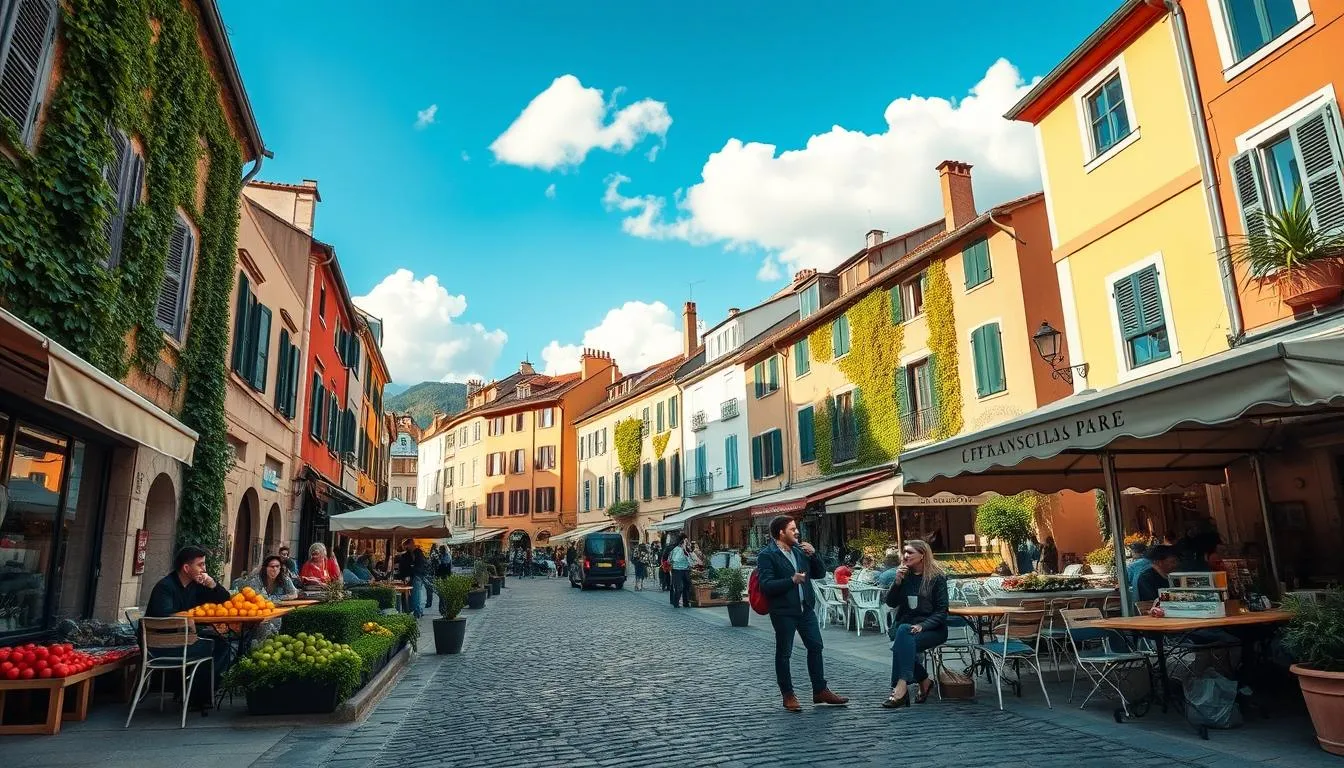
Europe’s lesser-known destinations provide an affordable and authentic travel experience. While many travelers flock to popular cities like Paris and Rome, there are numerous hidden gems waiting to be discovered in Eastern Europe, Western Europe, and the Mediterranean.
Eastern European Gems
Eastern Europe is a treasure trove of affordable and culturally rich destinations. Some standout locations include:
- Budapest, Hungary: Known for its thermal baths, stunning architecture, and vibrant nightlife.
- **
Prague, Czech Republic**: Famous for its historic city center, beer culture, and affordable accommodations.
- **
Krakow, Poland**: Offers a mix of historical sites, cultural events, and budget-friendly dining options.
For more tips on traveling in Europe on a budget, check out Nomadic Matt’s Europe Travel Guide.
Underrated Western European Locations
Western Europe also has its share of underrated destinations that are perfect for budget travelers. Consider visiting:
- **
Porto, Portugal**: Renowned for its Port wine, beautiful riverside quarter, and affordable prices.
- **
Ghent, Belgium**: A charming medieval town with a rich cultural heritage and lower prices compared to Brussels.
- **
Annecy, France**: Often called the “Venice of the Alps,” this town offers stunning mountain scenery and a relaxed atmosphere.
Affordable Mediterranean Destinations
The Mediterranean region is home to many affordable and beautiful destinations. Some highlights include:
- **
Valencia, Spain**: Known for its City of Arts and Sciences, beautiful beaches, and modernist architecture.
- **
Thessaloniki, Greece**: Offers a rich history, vibrant cultural scene, and delicious Greek cuisine at affordable prices.
- **
Split, Croatia**: Famous for its historic center, beautiful beaches, and lively atmosphere, all at a lower cost than Dubrovnik.
By exploring these off-the-beaten-path destinations, travelers can enjoy a cost-effective Europe guide that doesn’t compromise on experience. Whether you’re looking to save money traveling or simply want to experience Europe like a local, these locations are sure to impress.
Conclusion: Making Your European Dream Trip a Reality
With the right Europe travel tips and affordable travel strategies, exploring Europe can be a cost-effective adventure. By applying the principles outlined in this guide, travelers can enjoy a rich cultural experience without breaking the bank.
From budget-friendly flights and accommodations to smart money management and free attractions, there are numerous ways to save money traveling in Europe. By choosing off-the-beaten-path destinations, traveling during the shoulder season, and utilizing cost-effective transportation options, travelers can significantly reduce their expenses.
A well-planned trip to Europe is within reach, with a cost-effective Europe guide that highlights affordable destinations and activities. By being mindful of daily expenses, using budget-friendly resources, and taking advantage of free or discounted attractions, travelers can make their European dream trip a reality.
Armed with these affordable travel strategies, you can start planning your European adventure today, creating unforgettable memories while staying within your budget.
FAQ
What is the best time to visit Europe on a budget?
Visiting Europe during the shoulder season (April-May and September-October) can be a cost-effective strategy, as prices for accommodations and tourist attractions tend to be lower.
How can I find affordable flights to Europe?
Utilize flight search engines like Google Flights, Skyscanner, or Kayak, and consider flying into budget-friendly airports. Booking flights during optimal booking windows, such as 2-3 months in advance, can also lead to cheaper fares.
What are the most budget-friendly transportation options in Europe?
Europe offers a range of affordable transportation options, including budget airlines, buses like FlixBus, and rail passes like Eurail. Ridesharing services and carpooling can also be cost-effective.
How can I save money on accommodations while traveling in Europe?
Consider staying in hostels, budget hotels, or vacation rentals. Websites like Hostelworld, Booking.com, and Airbnb offer a wide range of affordable options. You can also look into free or nearly-free accommodation hacks like Couchsurfing or house sitting.
What are some tips for eating on a budget while traveling in Europe?
Self-catering is a great way to save money, as is eating at local eateries, street food stalls, and markets. Avoid touristy restaurants and opt for authentic, locally-owned establishments instead.
How can I avoid overspending on attractions and activities in Europe?
Research free attractions and activities in the cities you visit, and consider purchasing museum passes or discount cards. Free walking tours and DIY sightseeing can also be a fun and budget-friendly way to explore Europe.
What are some smart money management tips for international travel?
Avoid foreign transaction fees by using credit cards or debit cards with no foreign transaction fees. Use ATMs to withdraw local currency instead of exchanging money at airports or currency exchange offices.
Are there any off-the-beaten-path budget destinations in Europe worth visiting?
Yes, consider visiting Eastern European countries like Poland, Hungary, or Croatia, which offer a rich cultural heritage at an affordable price. Underrated Western European locations like Portugal or Slovenia can also be budget-friendly.