Everything You Need to Know About Cultural Experiences
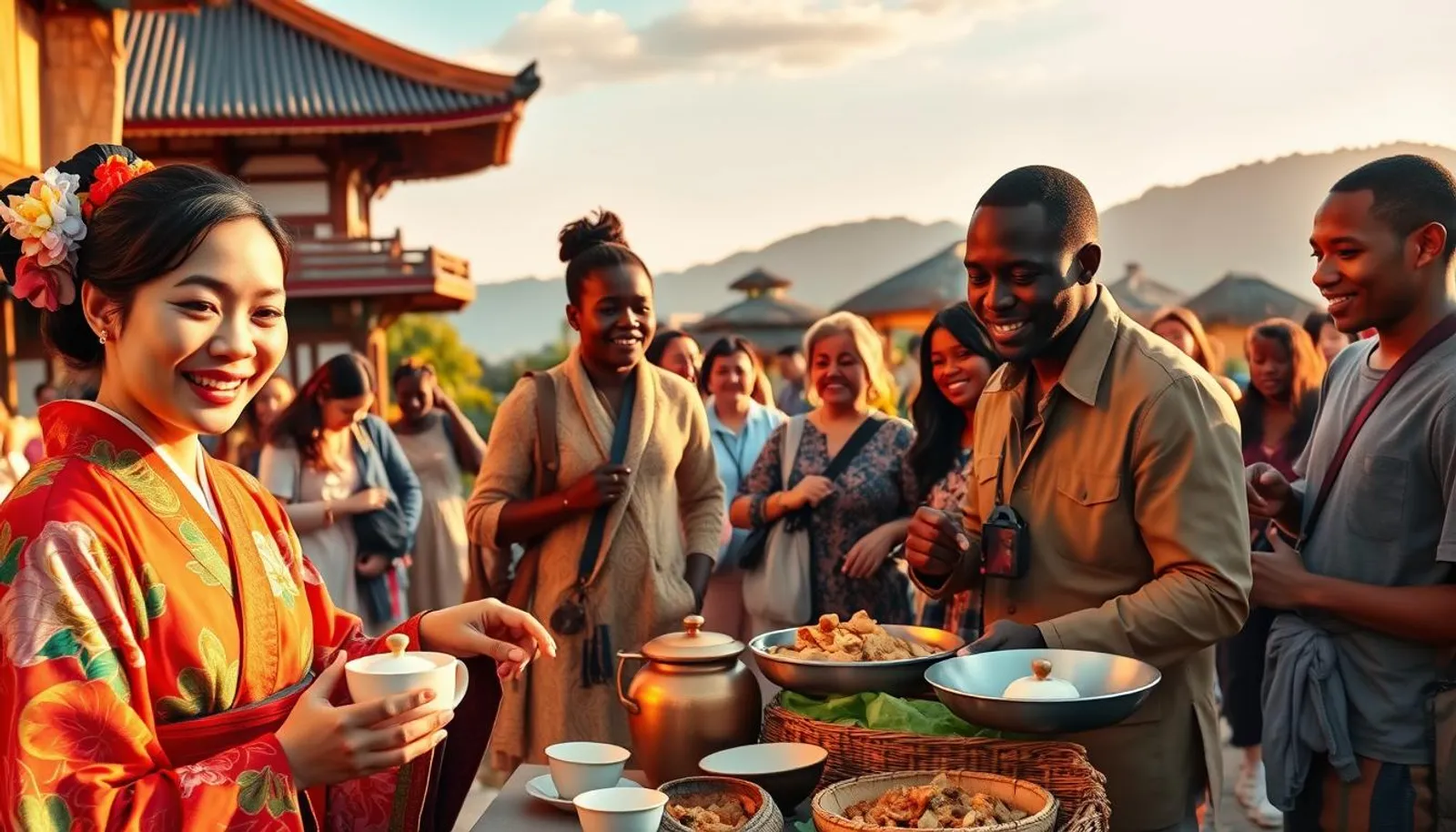
Many travelers have reported life-changing experiences as a result of deeply engaging with local cultures. For instance, a traveler who participated in a traditional tea ceremony in Japan reported a newfound appreciation for the simplicity and mindfulness of the ritual. Such stories highlight the...

16 min read
Embarking on a journey to explore new destinations is not just about visiting new places; it’s about immersing yourself in cultural travel experiences that leave a lasting impact.
Cultural experiences allow travelers to connect with local communities, understand their traditions, and gain a deeper appreciation for the heritage of the places they visit.
With immersive travel guides, travelers can navigate through the rich cultural tapestry of a destination, making their journey more meaningful and memorable.
Key Takeaways
- Discover the significance of cultural immersion in travel.
- Learn how to engage with local communities effectively.
- Understand the role of immersive travel guides in enhancing your travel experience.
- Explore ways to make your travel experiences more meaningful.
- Find out how cultural experiences can enrich your travels.
The Transformative Power of Cultural Exploration
The journey into the heart of a culture can be a transformative adventure. Cultural exploration offers more than just a visit to new places; it provides an opportunity to engage deeply with the local way of life.
How Immersive Experiences Change Your Perspective
Immersive experiences allow travelers to step beyond the typical tourist trail and engage with the local culture on a deeper level. By participating in traditional ceremonies or learning local crafts, travelers can gain a more nuanced understanding of the culture. According to a study on cultural tourism, such immersive experiences can significantly enhance one’s perspective on the world (cultural tourism research).
Moving Beyond Tourist Attractions to Authentic Connections
To truly experience a culture, one must be willing to venture beyond the usual tourist attractions. This can involve staying in locally-owned accommodations, eating at family-run restaurants, or engaging in community activities. Such actions foster authentic connections with the local population.
Stories of Transformed Travelers
Many travelers have reported life-changing experiences as a result of deeply engaging with local cultures. For instance, a traveler who participated in a traditional tea ceremony in Japan reported a newfound appreciation for the simplicity and mindfulness of the ritual. Such stories highlight the potential for cultural exploration to transform one’s life.
| Aspect of Culture | Typical Tourist Experience | Immersive Cultural Experience |
|---|---|---|
| Local Cuisine | Eating at tourist-oriented restaurants | Participating in a cooking class with a local family |
| Cultural Practices | Watching a performance from a distance | Participating in a traditional ceremony |
Meaningful cultural travel is not just about visiting places, but about the experiences you curate along the way. To truly immerse yourself in a culture, you need to plan your trip with care, considering not just the sights but the experiences that will leave a lasting impact.
Research Methods for Finding Hidden Cultural Gems
Effective research is the backbone of any successful cultural travel experience. Utilize immersive travel guides and local insights to uncover hidden gems that are off the beaten path. Websites, travel blogs, and social media can provide valuable information on cultural events and local customs.
Timing Your Visit Around Cultural Events and Festivals
Timing is everything when it comes to cultural travel. Planning your visit around cultural events and festivals can provide a unique insight into the local culture. For instance, visiting Japan during Cherry Blossom season or attending cultural festivals can be a highlight of your trip.
| Event | Location | Best Time to Visit |
|---|---|---|
| Carnival | Rio de Janeiro | February or March |
| Cherry Blossom Festival | Japan | Late March to Early April |
A good cultural travel experience balances planned activities with the freedom to explore. While structured tours can provide valuable insights and access to restricted areas, leaving room for spontaneous discovery can lead to unexpected and memorable experiences.
Digital Tools and Resources for Cultural Planning
In today’s digital age, there are numerous tools and resources available to aid in cultural planning. From travel apps that provide real-time information on local events to online forums where travelers share their experiences, leveraging these resources can significantly enhance your cultural travel experience.
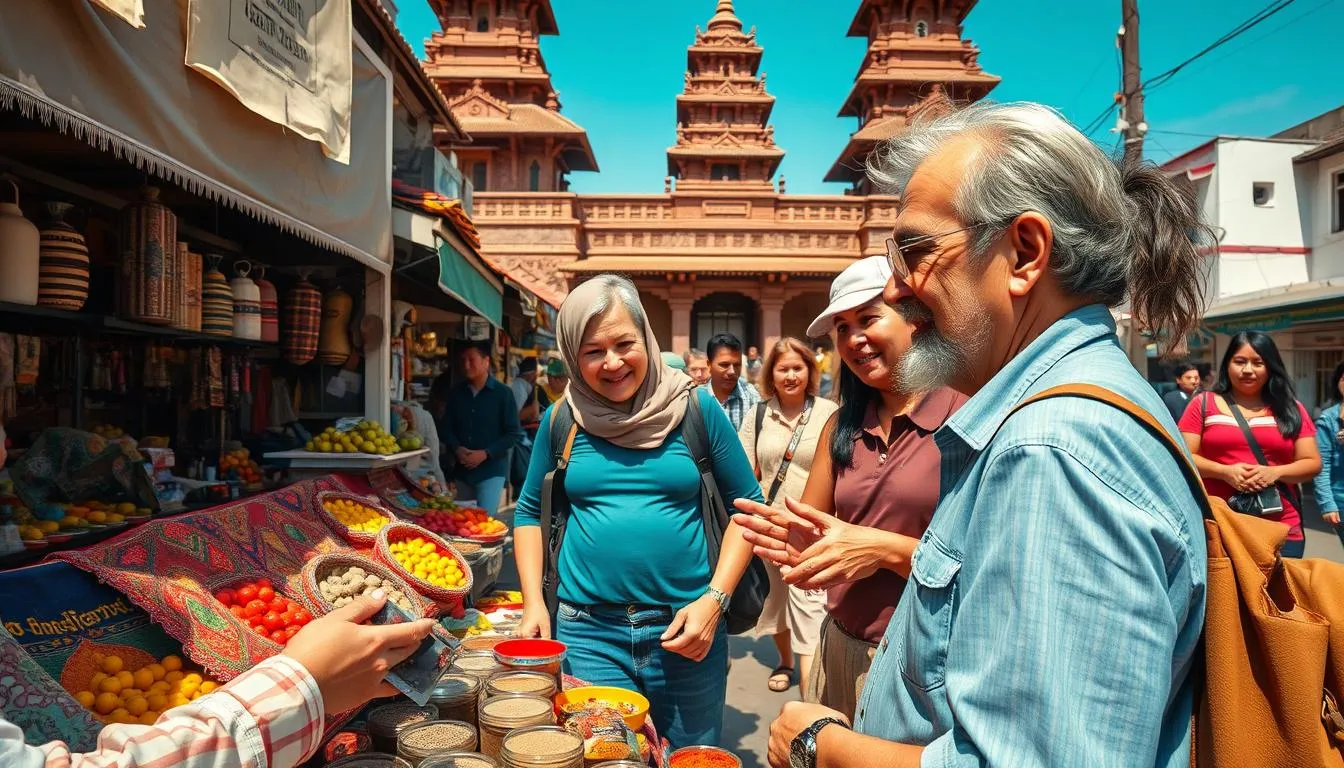
“Travel is more than the seeing of sights; it is a change that penetrates deep into the soul.”
鈥?Miriam Beard
Must-Try Cultural Travel Experiences Around the World
The world is full of unique cultural experiences waiting to be discovered by intrepid travelers. From vibrant festivals to serene traditional ceremonies, cultural travel offers a myriad of ways to connect with local communities and understand their heritage.
Participating in Traditional Ceremonies and Rituals
Participating in traditional ceremonies and rituals provides a profound insight into the spiritual and cultural fabric of a community. For instance, witnessing a Buddhist monk ordination in Thailand or participating in a Native American powwow can be a deeply moving experience. These events not only offer a glimpse into the community’s traditions but also foster a sense of connection and respect between cultures.
Historical Immersion Through Living Museums and Heritage Sites
Living museums and heritage sites bring history to life, allowing visitors to step into the past and experience historical settings firsthand. Places like Williamsburg in Virginia or the Historic Jamestowne provide immersive experiences where actors in period costumes recreate daily life, offering a tangible connection to the past.
Artistic and Craft Workshops with Local Masters
Engaging in artistic and craft workshops with local masters is an excellent way to learn traditional skills and appreciate the craftsmanship of a culture. Whether it’s pottery in Japan, textile weaving in Peru, or mask making in Africa, these workshops offer hands-on experience and a deeper appreciation for the artistry involved.
Seasonal Cultural Events Worth Planning Around
Many cultural events are seasonal, making them perfect reasons to plan a trip. For example, the Carnival in Rio de Janeiro, Cherry Blossom Festival in Japan, or Oktoberfest in Germany are world-renowned events that attract visitors from around the globe. Planning your travel around these events can enhance your cultural experience.
| Event | Location | Time of Year |
|---|---|---|
| Carnival | Rio de Janeiro, Brazil | February or March |
| Cherry Blossom Festival | Various locations, Japan | Late March to Early April |
| Oktoberfest | Munich, Germany | Late September to Early October |
Culinary Journeys: Exploring Culture Through Food
Food is more than just sustenance; it’s a gateway to understanding the heart of a culture. Culinary journeys offer a deliciously immersive way to experience the traditions, history, and values of a community.
Navigating Local Markets and Street Food Scenes
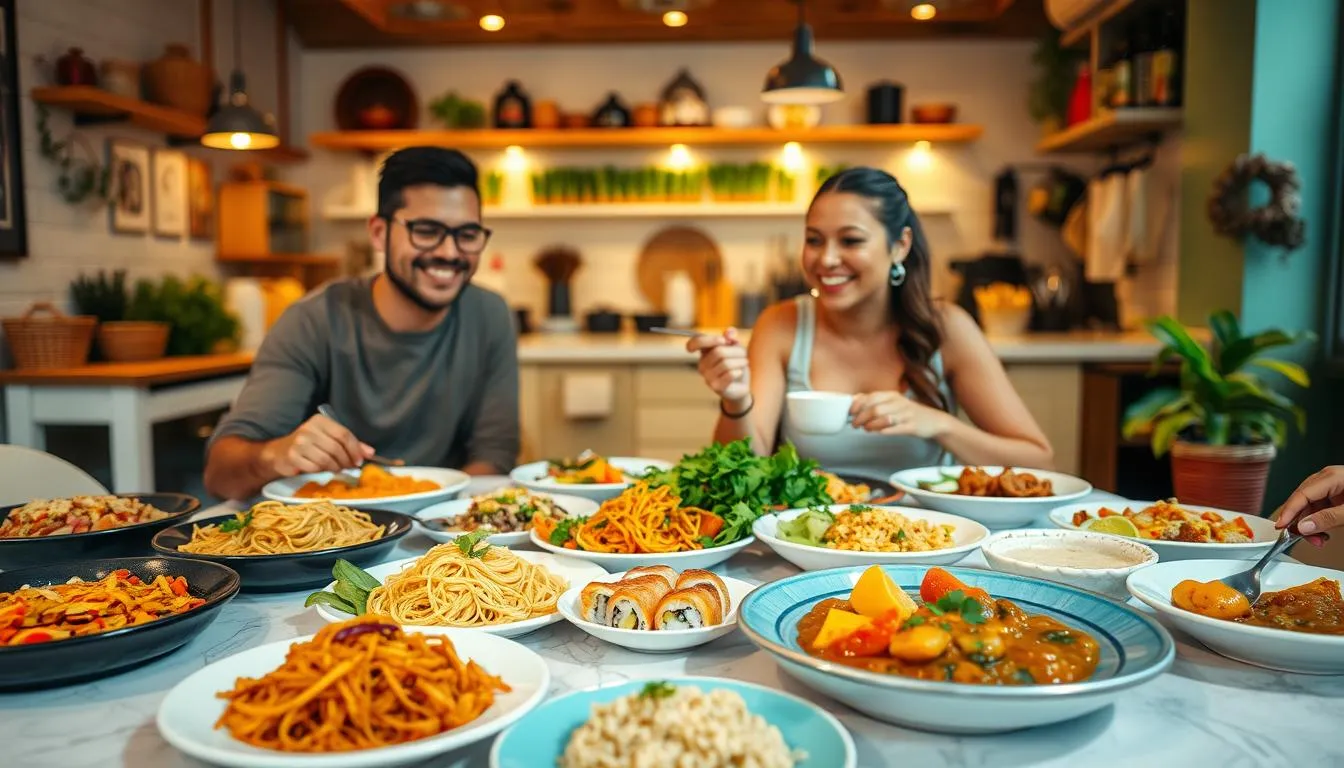
Exploring local markets and street food scenes is a vibrant way to dive into the culinary culture of a destination. These bustling hubs offer a sensory overload of sights, sounds, and flavors that are quintessential to the local way of life. For instance, visiting a local market can provide insights into traditional ingredients and cooking methods.
Hands-On Cooking Classes and Food Production Tours
Participating in cooking classes or food production tours provides a hands-on understanding of how local cuisine is prepared. These experiences not only teach you new culinary skills but also offer a deeper appreciation for the effort and tradition behind local dishes.
Understanding Mealtime Rituals and Food Symbolism
Mealtimes often carry significant cultural weight, with rituals and symbolism attached to the preparation and consumption of food. Understanding these aspects can enrich your culinary journey, offering insights into the community’s values and social norms.
Dietary Restrictions and Cultural Food Experiences
Managing dietary restrictions while traveling can be challenging, but it shouldn’t limit your cultural food experiences. Many destinations now offer adapted culinary experiences for various dietary needs, ensuring that everyone can enjoy the local cuisine.
| Culinary Experience | Cultural Significance |
|---|---|
| Local Markets | Insight into traditional ingredients and cooking methods |
| Cooking Classes | Hands-on understanding of local cuisine preparation |
| Mealtime Rituals | Understanding community values and social norms |
For travelers seeking authentic connections, homestays offer a unique window into community life. By living with local families, visitors can experience the daily rhythms and traditions that make a place truly special.
Finding Ethical Homestay Opportunities
When searching for homestays, it’s essential to prioritize ethical considerations. Look for programs that are community-led and fairly compensate local hosts. Initiatives like those highlighted on community-based tourism platforms can provide valuable insights and opportunities.
Participating in Daily Life and Community Activities
Homestays offer a chance to engage in local customs and daily routines. Whether it’s helping with household chores, participating in traditional ceremonies, or learning local crafts, these experiences foster meaningful connections. Some key activities to consider include:
- Assisting with local farming or cooking
- Participating in community festivals or events
- Learning traditional crafts or skills
Building Lasting Relationships Across Cultures
The relationships formed through homestays can be truly lasting. By showing genuine interest and respect for local cultures, travelers can build bridges between communities. Simple actions, like learning a few key phrases in the local language or sharing stories about your own culture, can go a long way in fostering these connections.
Language Navigation for Cultural Immersion
When traveling to a foreign country, navigating the local language can be a significant challenge, but there are strategies to overcome this hurdle. Language plays a vital role in cultural immersion, enabling travelers to connect with locals and gain a deeper understanding of the culture.
Essential Communication Strategies
When language barriers exist, several strategies can facilitate communication. Using a combination of gestures, simple language, and visual aids can help convey messages. Additionally, carrying a phrasebook or using a translation app on a smartphone can be invaluable tools.
Digital Translation Tools and Their Limitations
Digital translation tools have revolutionized the way we communicate across languages. However, these tools have limitations, such as inaccuracies with idiomatic expressions or nuanced cultural references. It’s essential to understand these limitations to avoid misunderstandings.
The Value of Learning Basic Cultural Greetings
Learning basic greetings and phrases in the local language can go a long way in showing respect for the culture. Simple expressions like “hello,” “thank you,” and “excuse me” can help break the ice and create a positive atmosphere for interactions.
| Language | Greeting | Thank You |
|---|---|---|
| Spanish | Hola | Gracias |
| French | Bonjour | Merci |
| Mandarin | n菒 h菐o | xi猫 xi猫 |
The essence of cultural exploration lies in embracing and respecting the traditions of the communities we visit. As travelers, we have the privilege of experiencing diverse cultures, but this comes with the responsibility to respect local customs and traditions.
Understanding Sacred Spaces and Religious Practices
When visiting sacred sites, it’s essential to be aware of and adhere to local religious practices. This might include dress codes, removal of shoes, or specific behaviors within the sacred space. Researching beforehand can help avoid unintended disrespect. For instance, many temples and mosques have strict dress codes that visitors must follow.
Dress Codes and Behavioral Expectations Across Cultures
Dressing appropriately is a sign of respect when exploring foreign cultures. Different cultures have varying expectations regarding attire, especially when visiting religious or cultural sites. Understanding these nuances can significantly enhance your cultural experience and interactions with locals.
Handling Cultural Misunderstandings Gracefully
Despite our best efforts, cultural misunderstandings can occur. The key is to handle them with grace and respect. Apologizing sincerely and showing a willingness to learn can often resolve misunderstandings and even lead to deeper connections with the local community.
Gift-Giving Customs Around the World
Gift-giving is a universal practice, but its significance and etiquette vary greatly across cultures. For example, in some cultures, refusing a gift is considered impolite, while in others, it’s a sign of humility. Understanding these customs can help you navigate social interactions respectfully. Here are a few examples:
- In Japan, gifts are typically given with both hands, and it’s customary to initially refuse a gift once before accepting it.
- In India, gifts are often received with the right hand, as the left hand is considered unclean.
- In many Western cultures, gifts are wrapped nicely, and the act of giving a gift is often accompanied by a personal message.
By being mindful of these cultural practices, travelers can foster positive interactions and create meaningful memories during their cultural adventures.
Capturing and Sharing Your Cultural Travel Experiences
Cultural immersion is a powerful experience, and sharing it requires thoughtfulness and sensitivity. As travelers, we have the responsibility to capture our experiences in a way that respects the cultures we encounter.
Ethical Photography and Videography Guidelines
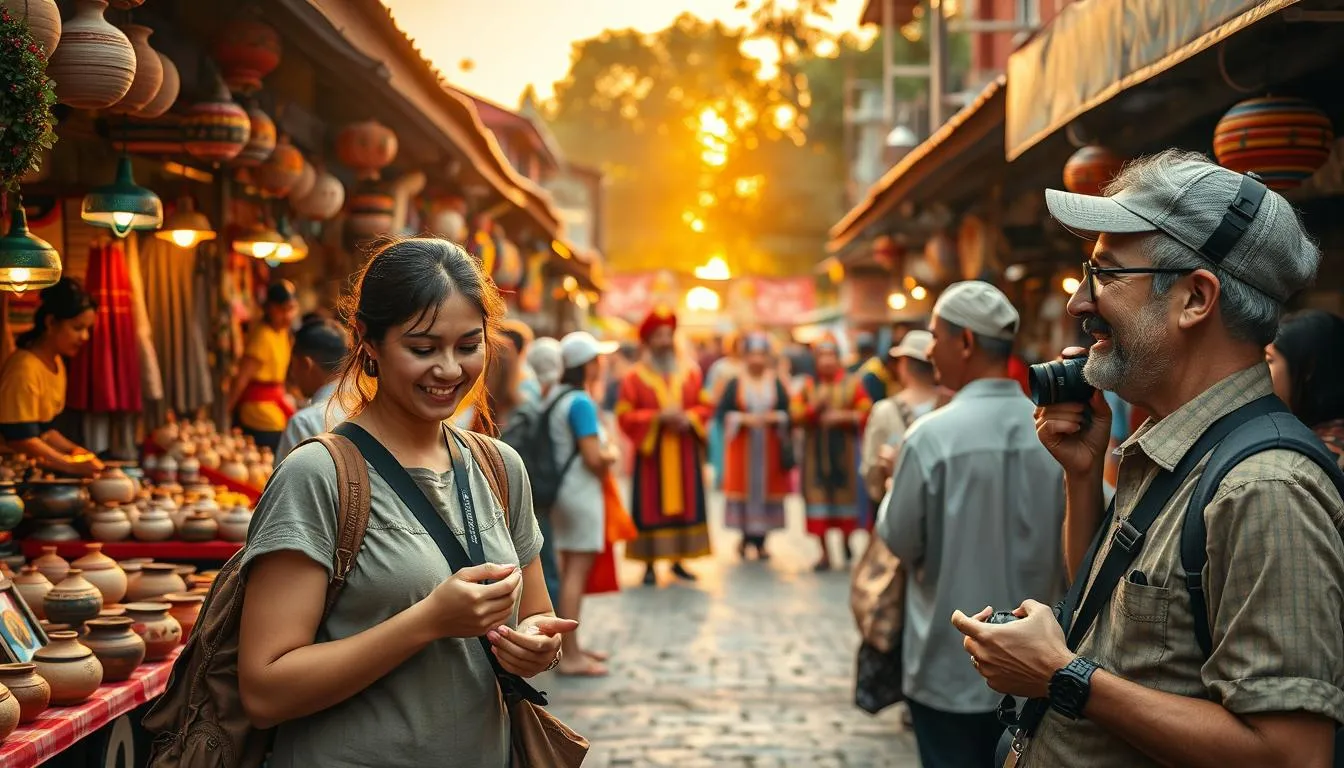
When capturing cultural moments, it’s crucial to be mindful of your surroundings and the people you’re photographing. Always ask for permission before taking someone’s picture, especially in sacred or private settings. Consider the impact of your photography on the local community and avoid exploiting vulnerable individuals or situations.
- Be aware of local photography restrictions
- Respect people’s privacy and personal space
- Share your photos responsibly on social media
Meaningful Souvenir Collection Beyond Shopping
Collecting souvenirs is a way to remember your cultural travel experiences. Instead of buying mass-produced items, consider supporting local artisans by purchasing handmade crafts or artwork. You can also collect intangible souvenirs like recipes, traditional songs, or local stories.
“The best souvenirs are not things, but memories and the stories we tell about them.”
Storytelling That Honors Cultural Complexity
When sharing your cultural travel experiences, it’s essential to honor the complexity of the cultures you’ve encountered. Avoid simplifying or stereotyping the cultures you experienced. Instead, focus on the nuances and diversity within the culture, highlighting both the challenges and the beauty you witnessed.
The Ethics of Cultural Tourism: Impact and Responsibility
The impact of cultural tourism is a double-edged sword, offering both opportunities for cultural exchange and risks of cultural exploitation. As travelers, it’s essential to navigate this complex landscape thoughtfully.
Supporting Local Economies and Artisans
One of the key aspects of ethical cultural tourism is supporting local economies and artisans. This can be achieved by:
- Shopping at local markets and from local artisans
- Choosing homestays or locally-owned accommodations
- Eating at local restaurants and street food stalls
For more tips on practicing cultural sensitivity, visit Satguru Travel’s guide on cultural sensitivity.
Recognizing and Avoiding Cultural Exploitation
Cultural exploitation can occur when tourists engage in activities that disrespect or harm local cultures. To avoid this, travelers should be aware of their surroundings and the potential impact of their actions.
Key practices to avoid cultural exploitation include:
- Respecting sacred sites and rituals
- Not removing cultural artifacts or relics
- Avoiding activities that stereotype or demean local cultures
Balancing Preservation with Cultural Evolution
Cultural heritage sites and traditions are not static; they evolve over time. The challenge is to support this evolution while preserving the essence of the culture.
Case studies of successful cultural tourism initiatives can provide valuable insights into how this balance can be achieved.
Case Studies of Responsible Cultural Tourism
Several destinations have implemented innovative approaches to responsible cultural tourism. For example:
| Destination | Initiative | Impact |
|---|---|---|
| Kyoto, Japan | Traditional tea ceremony experiences | Supports local tea farmers and preserves traditional rituals |
| Bali, Indonesia | Community-led cultural tours | Empowers local communities and promotes cultural understanding |
Conclusion: Creating a Lifetime of Cultural Connections
Embarking on cultural travel experiences can be a life-changing journey, allowing you to forge meaningful connections and create lasting memories. Through immersive travel guides, you can unlock the true essence of a destination, delving beyond the surface level to discover the rich cultural heritage that defines it.
As you’ve learned, cultural immersion involves more than just visiting popular tourist spots. It requires a willingness to engage with local communities, respect cultural traditions, and navigate unfamiliar environments. By adopting this approach, you can cultivate a deeper understanding of the world around you and foster a sense of global citizenship.
Whether you’re drawn to the vibrant rhythms of a traditional festival, the tranquility of a sacred site, or the warmth of a local homestay, cultural travel experiences have the power to transform your perspective and broaden your horizons. So why not start planning your next cultural adventure today, armed with the insights and knowledge gained from this article, and discover the world in a whole new light with the help of immersive travel guides?
FAQ
What are cultural travel experiences?
Cultural travel experiences refer to immersive and engaging activities that allow travelers to explore and understand the local culture, traditions, and way of life of a particular region or community, often through local culture exploration and cultural adventure tips.
How can I plan a meaningful cultural trip?
To plan a meaningful cultural trip, research the local customs, traditions, and cultural events of your destination. Consider using immersive travel guides to discover hidden gems and timing your visit around cultural festivals or events, which can be a great way to experience cultural travel experiences.
What are some must-try cultural experiences around the world?
Some must-try cultural experiences include participating in traditional ceremonies, visiting living museums and heritage sites, and attending artistic and craft workshops with local masters, all of which can be part of a rich local culture exploration.
How can I navigate language barriers during cultural travel?
To navigate language barriers, learn basic cultural greetings, use digital translation tools, and consider carrying a phrasebook or taking a language course before your trip, all of which can enhance your cultural immersion.
What are some tips for respecting cultural boundaries and traditions?
To respect cultural boundaries and traditions, understand sacred spaces and religious practices, adhere to dress codes and behavioral expectations, and handle cultural misunderstandings graciously, demonstrating a thoughtful approach to cultural travel experiences.
How can I capture and share my cultural travel experiences responsibly?
To capture and share your cultural travel experiences responsibly, follow ethical photography and videography guidelines, collect meaningful souvenirs, and use storytelling techniques that honor cultural complexity, all of which are aspects of responsible cultural tourism.
What is the impact of cultural tourism on local communities?
Cultural tourism can have both positive and negative impacts on local communities. To minimize the negative impacts, support local economies and artisans, recognize and avoid cultural exploitation, and balance preservation with cultural evolution, ensuring that your cultural travel experiences are sustainable.