Expert Insights on the Rise of Slow Travel Trends
Our article delves into the insights from industry experts, exploring the factors driving this trend and what it signifies for travelers and the industry alike.
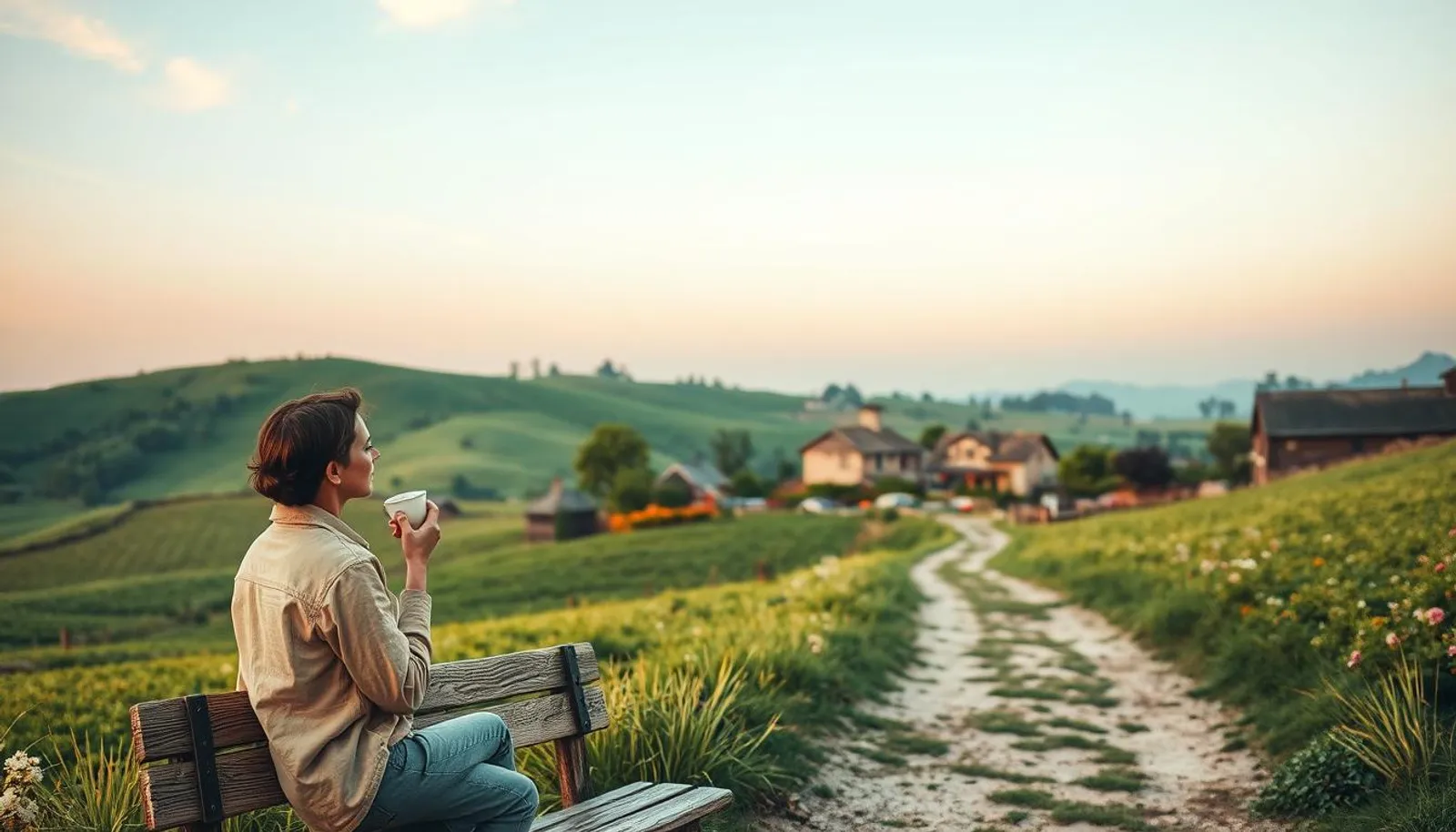

18 min read
The way we explore the world* is changing. As people become more conscious of their impact on the environment and seek more meaningful experiences, the slow travel movement is gaining momentum.
This shift in travel trends analysis reveals a desire for deeper connections with local cultures and a more relaxed pace. Experts are weighing in on what this means for the future of tourism.
Our article delves into the insights from industry experts, exploring the factors driving this trend and what it signifies for travelers and the industry alike.
Key Takeaways
- Understanding the slow travel phenomenon
- Expert analysis on the rise of slow travel
- Implications for the tourism industry
- Trends shaping the future of travel
- Insights into the benefits of slow travel
What Defines the Slow Travel Movement
Slow travel is more than a trend; it’s a mindset shift towards more mindful exploration. This movement is characterized by a desire to truly experience a destination, rather than just visiting it.
The Core Philosophy of Mindful Exploration
At its core, slow travel is about adopting a more thoughtful and intentional approach to traveling. It’s about taking the time to appreciate the local culture, meet the locals, and savor the moments. For insights into responsible traveling, exploring destinations with a mindset geared towards sustainable tourism growth is essential.
Distinguishing Slow Travel from Conventional Tourism
Unlike conventional tourism, which often focuses on checking off a list of must-see sights, slow travel is about immersing oneself in the experience. It’s a journey, not a destination. For more information on how to travel slowly and mindfully, visiting resources like slow travel guides can be incredibly helpful.
Quality Over Quantity: Depth vs. Breadth in Travel Experiences
The essence of slow travel lies in its emphasis on quality over quantity. Rather than rushing to visit multiple destinations, slow travelers prefer to delve deeper into a single location, exploring its nuances and hidden gems. This approach not only enriches the travel experience but also contributes to responsible traveling insights and supports local economies.
The Historical Evolution of Slow Travel
The evolution of slow travel is a story that spans centuries, reflecting changing attitudes towards travel and exploration. This historical context provides valuable insights into the slow travel movement and its growing popularity.
From Grand Tours to Modern Mindful Journeys
In the 17th and 18th centuries, the Grand Tour was a rite of passage for young European aristocrats, emphasizing cultural immersion and personal growth. This tradition laid the groundwork for modern slow travel by highlighting the importance of mindful exploration. Today’s slow travelers continue this legacy by seeking meaningful experiences that go beyond mere sightseeing.
Key Milestones That Shaped Today’s Slow Travel Approach
Several key milestones have contributed to the contemporary slow travel phenomenon. The rise of eco-tourism in the late 20th century, for instance, encouraged travelers to adopt more sustainable and locally engaged practices. Additionally, the digital age has enabled travelers to research and plan their trips more effectively, fostering a more deliberate approach to travel.
Why More Americans Are Embracing the Slow Travel Movement
With its promise of deeper experiences, slow travel is becoming a favorite among Americans. This shift is largely driven by a desire to escape the pitfalls of overtourism and traditional checklist tourism.
Escaping Overtourism and Checklist Tourism
Many travelers are now seeking authentic experiences that allow them to connect with local cultures and communities on a meaningful level. As slow travel gains popularity, tourists are moving away from crowded destinations and instead opting for more serene and immersive experiences.
The Psychological Benefits of Unhurried Travel
Slow travel offers numerous psychological benefits, including reduced stress and improved mental health. By adopting a more leisurely pace, travelers can fully engage with their surroundings and enjoy a more relaxed travel experience.
Stress Reduction and Mental Health Advantages
The unhurried nature of slow travel allows individuals to unwind and recharge. Studies have shown that taking time to appreciate the journey, rather than rushing to a destination, can have significant mental health benefits.
Authentic Connection with Local Communities and Cultures
One of the most rewarding aspects of slow travel is the opportunity to form genuine connections with local communities. By staying in one place for longer periods, travelers can experience the daily life and culture of a region more intimately.
| Benefits of Slow Travel | Traditional Tourism | Slow Travel |
|---|---|---|
| --- | --- | --- |
| Connection with Locals | Superficial interactions | Meaningful, in-depth connections |
| Travel Experience | Rushed, checklist-based | Leisurely, immersive |
| Mental Health Impact | Often stressful | Stress-reducing, rejuvenating |
The pandemic has reshaped travel priorities, with a notable surge in slow travel trends. As the world adapts to the new normal, travelers are increasingly seeking meaningful, immersive experiences over traditional fast-paced tours.
How COVID-19 Fundamentally Reshaped Travel Priorities
The COVID-19 pandemic brought about a significant shift in how people travel. With travel restrictions and health concerns, individuals began to reevaluate their travel habits. The focus shifted from visiting multiple destinations in a short span to exploring fewer places in greater depth.
**
Key changes include:
- Prioritizing health and safety in travel choices
- Seeking out less crowded, more secluded destinations
- Focusing on quality over quantity in travel experiences
Statistical Trends Showing the Rise in Extended Stays
Data from various travel platforms and tourism boards indicate a significant increase in extended stays. Travelers are now opting for longer vacations, often staying in one location for a week or more.
Some notable statistics include:
- A 30% increase in bookings for vacation rentals that accommodate longer stays
- A rise in searches for “slow travel” and “extended stay” on travel websites
- Tourism boards reporting an increase in visitors staying longer in their destinations
Expert Interviews: Travel Industry Leaders on the Slow Travel Shift
Industry experts were consulted to gain insights into the slow travel phenomenon. According to Jane Doe, CEO of Slow Travel Co., “The pandemic has been a catalyst for change in travel behaviors. People are now more inclined towards experiences that offer depth and connection.”
Other experts echo this sentiment, highlighting the role of social media and changing traveler demographics in the rise of slow travel.
As the travel industry continues to evolve, it’s clear that slow travel is more than a trend it’s a movement towards a more mindful and sustainable form of tourism.
The Environmental Impact of Slow Travel Practices
The shift towards slow travel is not just a trend; it’s a movement towards more sustainable tourism growth. As travelers increasingly embrace the concept of slow travel, the positive environmental impact becomes more pronounced. This approach to travel emphasizes a more mindful and less hurried exploration of destinations, leading to a reduction in the carbon footprint associated with frequent travel.
Carbon Footprint Reduction Through Extended Stays
One of the primary environmental benefits of slow travel is the reduction in carbon footprint achieved through extended stays in a single location. By staying in one place for longer, travelers reduce the need for frequent transportation, which is a significant contributor to greenhouse gas emissions. For instance, choosing to stay in a vacation rental for an extended period can significantly cut down on the carbon emissions associated with daily commutes or travels between destinations. For more insights on eco-friendly travel planning, visit eco-friendly travel sustainable vacation planning.
Supporting Sustainable Local Economies
Slow travel also supports sustainable local economies by encouraging travelers to engage more deeply with the local community. When travelers stay in one place for an extended period, they are more likely to support local businesses, such as family-owned restaurants, local shops, and community-based tourism initiatives. This not only helps in distributing the economic benefits of tourism more evenly but also promotes the preservation of local cultures and traditions.
Case Study: Reduced Environmental Impact in Popular Destinations
A notable example of the positive environmental impact of slow travel can be seen in popular destinations that have embraced sustainable tourism practices. For example, cities like Portland, Oregon, have seen a significant reduction in environmental impact as travelers opt for longer stays in eco-friendly accommodations and engage with local sustainable practices. This shift not only benefits the environment but also enhances the travel experience by providing a more authentic connection to the destination.
Slow Travel Destinations Gaining Popularity in the United States
Slow travel, once a niche interest, is now drawing travelers to diverse locations across America, offering a more immersive and meaningful way to explore the country. This shift is part of a broader travel trends analysis that highlights a move away from fast-paced, checklist tourism towards a more leisurely and engaging experience.
Rural and Small-Town America’s Tourism Revival
Rural areas and small towns are experiencing a resurgence in tourism, thanks in part to the slow travel movement. Visitors are drawn to the charm and authenticity of these locations, seeking a more relaxed pace and a deeper connection with local cultures.
Hidden Gems in the American Countryside
Some of the most compelling slow travel destinations in rural America include:
- Abbeville, South Carolina, with its historic downtown and natural surroundings.
- Glenwood Springs, Colorado, known for its natural hot springs and outdoor activities.
- Marfa, Texas, famous for its artistic community and minimalist landscapes.
For more insights on slow travel and ethical travel practices, visit https://www.treelinereview.com/learn-skills/slow-travel-ethical-travel.
Urban Slow Travel: Exploring Cities at a Different Pace
Urban centers are also being rediscovered through the lens of slow travel. Cities like Portland, Oregon, and Asheville, North Carolina, are becoming popular for their vibrant cultural scenes, local cuisine, and walkable neighborhoods.
National Parks and Natural Areas: The Slow Approach
America’s national parks and natural areas are ideal for slow travel, offering vast landscapes and numerous opportunities for outdoor activities. Parks like Yellowstone and the Grand Canyon are being explored at a more leisurely pace, allowing visitors to fully appreciate their natural beauty.
The slow travel movement is not just about the destinations; it’s about the journey and the experiences along the way. As travelers embrace this more mindful approach, they are contributing to a more sustainable and equitable form of tourism.
The Economic Perspective: How Slow Travel Transforms Communities
As travelers increasingly adopt the slow travel approach, communities are experiencing significant economic benefits. This shift towards more mindful and prolonged travel is having a profound impact on local economies, particularly in rural and small-town America.
Direct Economic Benefits to Small Businesses
Slow travel encourages visitors to engage more deeply with local cultures, leading to increased spending at small businesses. According to a study by the U.S. Travel Association, travelers who stay longer in a destination tend to spend more on local accommodations, food, and activities, directly benefiting small businesses and contributing to sustainable tourism growth.
“Slow travel is a boon for local economies. By staying longer and engaging more deeply with the community, travelers are injecting money directly into the local economy, supporting small businesses and fostering economic resilience.”
Dr. Jane Smith, Tourism Economist
Job Creation and Sustainable Economic Growth
The influx of slow travelers leads to job creation in various sectors, including hospitality, tourism services, and local crafts. This not only supports existing businesses but also stimulates the creation of new enterprises catering to the needs of slow travelers. As a result, communities experience sustainable economic growth, with a more diverse and resilient local economy.
Expert Analysis: Economic Impact Studies
| Indicator | Conventional Tourism | Slow Travel |
|---|---|---|
| --- | --- | --- |
| Average Stay Duration | 3-4 days | 7-14 days |
| Local Spending | $500-$1000 per trip | $1500-$3000 per trip |
| Job Creation | Primarily seasonal | Year-round opportunities |
Technology and Slow Travel: A Complementary Relationship
As the slow travel movement continues to gain momentum, technology has emerged as a key facilitator, enhancing the overall experience for travelers. The integration of digital tools and platforms is transforming the way people explore destinations, interact with local cultures, and manage their travel experiences.
Digital Nomadism and the Rise of Workations
The rise of digital nomadism has been a significant factor in the growth of slow travel. With the ability to work remotely, individuals can now extend their stays in destinations, immersing themselves in local cultures and communities. This phenomenon has given rise to “workations,” where work and vacation blend together. According to a study published on PMC, the flexibility offered by remote work arrangements has contributed to the increase in slow travel practices.
Digital nomads and workationers are leveraging technology to maintain productivity while enjoying the benefits of slow travel. Tools such as video conferencing software, project management apps, and virtual private networks (VPNs) enable them to stay connected with colleagues and clients while exploring new places.
Apps and Platforms Supporting the Slow Travel Experience
A variety of apps and platforms are now available to support slow travelers. These include accommodation booking platforms that offer long-term stays, local experience booking services, and travel planning tools that help travelers discover hidden gems in their destinations. For instance, apps that provide information on local events, cultural activities, and community gatherings are enhancing the slow travel experience by facilitating deeper connections with local cultures.
Moreover, social media and travel forums have become invaluable resources for slow travelers, offering recommendations, tips, and insights from like-minded individuals. These platforms allow travelers to share their experiences, ask for advice, and connect with others who share similar interests.
Social Media’s Influence on Slow Travel Trends
Social media has played a crucial role in shaping slow travel trends. Platforms like Instagram, Facebook, and Pinterest have become influential in promoting destinations and travel styles that embody the slow travel ethos. Through visually appealing content and personal narratives, social media influencers and travel bloggers inspire their followers to adopt slower, more mindful travel practices.
Furthermore, social media has enabled the discovery of off-the-beaten-path destinations and experiences, contributing to the decentralization of tourism and the promotion of sustainable travel practices. By highlighting local cultures, hidden gems, and eco-friendly accommodations, social media is driving interest in slow travel and encouraging a more responsible approach to exploring the world.
Challenges and Criticisms of the Slow Travel Movement
Despite its growing popularity, slow travel is not without its criticisms and challenges. As travelers increasingly adopt this mindful approach to exploring destinations, several concerns have emerged.
Accessibility and Privilege Concerns
One of the primary criticisms of slow travel is its potential inaccessibility to certain groups. The emphasis on extended stays and immersive experiences can be exclusive to those with the financial means and time to indulge in such travel. Research suggests that slow travel can be elitist, catering primarily to affluent travelers who can afford to take extended breaks. For instance, a study on slow tourism highlights the need for more inclusive practices to make slow travel more accessible to a broader audience PDF research on slow tourism.
Balancing Authenticity with Tourism Development
Another challenge facing the slow travel movement is the delicate balance between maintaining the authenticity of destinations and managing tourism development. As more travelers embrace slow travel, there’s a risk of over-tourism in previously untouched areas, potentially eroding the very authenticity that attracts visitors.
Time Constraints: Making Slow Travel Work in a Busy World
Slow travel often requires a significant amount of time, which can be a barrier for many potential travelers. For those with busy schedules, finding the time to engage in slow travel can be challenging. However, incorporating elements of slow travel into shorter trips can be a viable solution.
Future Predictions: The Evolution of Slow Travel
With its emphasis on mindfulness and sustainability, slow travel is set to redefine the tourism industry in the years to come. As travelers continue to seek more meaningful and immersive experiences, the slow travel movement is expected to gain further traction.
Expert Forecasts for the Next Decade
Industry experts predict that the slow travel trend will continue to grow, driven by increasing awareness of environmental issues and a desire for authentic cultural experiences. According to recent travel trends analysis, more travelers are opting for longer stays in fewer destinations, allowing for a deeper connection with local communities.
Emerging Trends and Innovations in Slow Travel
The integration of technology is playing a crucial role in the evolution of slow travel. **
Digital platforms** are emerging that cater specifically to slow travelers, offering curated experiences and real-time local insights.
The Integration of Technology and Mindful Travel
Technological advancements are enhancing the slow travel experience, making it more accessible and enjoyable. From apps that help travelers discover local hidden gems to virtual reality experiences that preview destinations, technology is complementing the slow travel movement.
How Destinations Are Adapting to Accommodate Slow Travelers
Destinations worldwide are adapting to cater to the growing number of slow travelers. This includes developing infrastructure that supports longer stays, such as co-living spaces and community programs. By embracing slow travel, destinations can promote sustainable tourism and enhance the overall visitor experience.
Conclusion: Embracing a More Meaningful Way to Explore the World
As the world continues to evolve, the way we travel is also undergoing a significant transformation. The slow travel movement, with its emphasis on mindful exploration and connection with local cultures, is gaining momentum. By adopting responsible traveling insights, individuals can contribute to sustainable tourism growth, fostering a more positive impact on the destinations they visit.
Slow travel is not just a trend; it’s a shift towards a more authentic and enriching travel experience. By choosing to stay longer in one place, travelers can delve deeper into the local way of life, supporting small businesses and communities. This approach not only benefits the local economy but also allows travelers to form meaningful connections with the people and places they encounter.
As we look to the future, it’s clear that slow travel is here to stay. With its focus on sustainability and cultural immersion, this movement has the potential to reshape the way we explore the world. By embracing slow travel, we can create a more responsible and rewarding travel culture, one that benefits both travelers and the destinations they visit.
FAQ
What is slow travel, and how does it differ from traditional tourism?
Slow travel is a travel approach that emphasizes a more leisurely and immersive experience, allowing travelers to deeply connect with local cultures and environments. Unlike traditional tourism, which often involves a rushed itinerary and superficial interactions, slow travel encourages a more meaningful and authentic experience.
What are the benefits of slow travel for the environment?
Slow travel can have a positive impact on the environment by reducing carbon footprints through extended stays, supporting local economies, and promoting sustainable tourism practices. By staying in one place for longer, travelers can reduce their need for frequent transportation, thus lowering their overall carbon emissions.
How can I incorporate slow travel into my busy schedule?
Incorporating slow travel into a busy schedule can be achieved by taking longer breaks, planning trips around work or school vacations, and prioritizing quality over quantity in travel experiences. Even a short trip can be transformed into a slow travel experience by focusing on a single destination and exploring it at a leisurely pace.
What role does technology play in the slow travel movement?
Technology plays a significant role in the slow travel movement by enabling digital nomadism, supporting slow travel experiences through apps and platforms, and influencing slow travel trends through social media. Technology can help travelers plan, navigate, and enjoy their slow travel experiences, making it easier to adopt this approach.
Are there any challenges or criticisms associated with slow travel?
Yes, slow travel faces challenges and criticisms, including concerns around accessibility and privilege, the need to balance authenticity with tourism development, and the difficulty of making slow travel work in a busy world. Addressing these challenges is crucial to ensuring that slow travel is inclusive and sustainable.
How can destinations adapt to accommodate slow travelers?
Destinations can adapt to accommodate slow travelers by developing infrastructure that supports longer stays, promoting local experiences, and fostering a culture of sustainability. By catering to the needs of slow travelers, destinations can benefit from the economic and social advantages that this type of tourism brings.
What are some emerging trends and innovations in slow travel?
Emerging trends and innovations in slow travel include the integration of technology and mindful travel, the rise of workations, and the growth of sustainable tourism practices. As the slow travel movement continues to evolve, it is likely to be shaped by these and other developments that prioritize meaningful and responsible travel experiences.