Getting Started with Cultural Travel
At its core, cultural travel is about immersing oneself in the local culture, history, and daily life of a place, moving beyond the typical tourist attractions. This form of travel is designed for those who wish to gain a deeper understanding of a destination by engaging with its people, traditio...


19 min read
Embarking on a cultural journey can be a life-changing experience, allowing you to immerse yourself in new traditions, meet diverse people, and broaden your perspectives. Whether you’re a seasoned explorer or just starting out, cultural travel offers a unique opportunity to engage with different ways of life.
For beginners, exploring local customs, trying new foods, and visiting historical sites can be both exciting and enriching. A well-planned cultural travel guide can help you navigate unfamiliar territories and make the most of your beginner cultural experiences.
Key Takeaways
- Discover the significance of cultural immersion
- Learn how to plan a meaningful cultural trip
- Explore tips for engaging with local cultures
- Understand the benefits of cultural travel for personal growth
- Find resources for creating a memorable cultural experience
What Is Cultural Travel?
At its core, cultural travel is about immersing oneself in the local culture, history, and daily life of a place, moving beyond the typical tourist attractions. This form of travel is designed for those who wish to gain a deeper understanding of a destination by engaging with its people, traditions, and landscapes.
Defining the Cultural Travel Experience
Cultural travel encompasses a wide range of activities, including visiting historical sites, participating in local festivals, and engaging in traditional crafts. It’s about experiencing the authentic essence of a place, rather than just visiting popular landmarks. For those looking to embark on this journey, resources like cultural travel guides can be invaluable in planning a meaningful trip.
How Cultural Travel Differs from Regular Tourism
Unlike regular tourism, which often focuses on well-known attractions and standardized experiences, cultural travel is about delving into the unique aspects of a destination. It involves interacting with local communities, trying traditional foods, and learning about the history and customs of the area. This approach not only enriches the traveler’s experience but also contributes to the preservation of local cultures.
The Growing Popularity of Authentic Cultural Experiences
In recent years, there has been a significant shift towards seeking authentic cultural experiences. Travelers are increasingly looking for opportunities to engage deeply with the places they visit, rather than just passing through. This trend is reflected in the growing demand for cultural travel experiences that offer a genuine connection to local ways of life.
| Aspect | Cultural Travel | Regular Tourism |
|---|---|---|
| Focus | Immersing in local culture and traditions | Visiting popular landmarks and attractions |
| Activities | Participating in local festivals, traditional crafts, and community life | Guided tours, shopping, and dining at well-known establishments |
| Interaction | Engaging with local communities and learning about their customs | Limited interaction with locals, often through service industry professionals |
The benefits of immersive cultural experiences extend far beyond the duration of the trip itself. Engaging deeply with local cultures can lead to personal growth, foster global connections, and support the preservation of local traditions.
Personal Growth and Expanded Worldview
Cultural immersion challenges travelers to step out of their comfort zones, fostering personal growth and broadening their perspectives. By navigating unfamiliar cultural norms and practices, individuals can develop greater empathy, adaptability, and self-awareness. As noted in a discussion on cultural immersion, such experiences can be transformative, helping travelers to see the world from new angles.
Building Meaningful Global Connections
Immersive cultural experiences provide opportunities to form meaningful connections with people from diverse backgrounds. Whether through homestays, language exchange programs, or community events, travelers can establish lasting relationships that transcend cultural boundaries. These connections not only enrich the travel experience but also contribute to a more interconnected world.
Supporting Local Communities and Traditions
By participating in local customs and supporting community-based tourism initiatives, travelers can contribute to the preservation of cultural heritage. This support can help sustain local economies and ensure the continuation of traditional practices. The impact of cultural tourism can be seen in the following table:
| Aspect | Impact of Cultural Tourism |
|---|---|
| Economic | Supports local businesses and artisans |
| Cultural | Preserves traditional practices and customs |
| Social | Fosters community engagement and cultural exchange |
Planning Your First Cultural Travel Experience
Embarking on a cultural travel journey requires thoughtful planning to ensure a meaningful experience. As you prepare for your adventure, consider what aspects of culture interest you most.
Identifying Your Cultural Interests and Travel Goals
Start by reflecting on what draws you to cultural travel. Are you fascinated by historical landmarks, or are you more interested in contemporary art? Perhaps you’re eager to learn about local traditions or taste authentic cuisine. For more insights on cultural travel, visit Let’s Roam’s Cultural Travel Guide to explore various cultural travel experiences.
Researching Destinations That Match Your Interests
Once you’ve identified your interests, research destinations that align with them. Look for places that offer a rich cultural experience, such as festivals, local markets, or historical sites. Consider the time of year you plan to travel and how it might impact your experience.
Creating a Flexible Itinerary with Cultural Focus
A well-planned itinerary is crucial, but it’s equally important to leave room for spontaneity. Balance planned activities with free time to explore and interact with locals.
Balancing Planned Activities and Spontaneous Exploration
While it’s tempting to pack your schedule, overplanning can lead to a rushed experience. Allow yourself time to wander and discover hidden gems.
Allowing Time for Meaningful Interactions
Some of the most memorable cultural experiences come from interactions with locals. Whether it’s joining a cooking class or simply striking up a conversation, these moments can enrich your travel experience.
| Cultural Activity | Location | Tips |
|---|---|---|
| Local Cooking Class | Italy, Tuscany | Be prepared to get hands-on and taste local ingredients. |
| Traditional Tea Ceremony | Japan, Kyoto | Show respect for the tradition and follow the host’s lead. |
| Street Food Tour | Mexico, Oaxaca | Come hungry and be ready to try new flavors. |
Embarking on a cultural travel journey can be both exhilarating and intimidating, especially for beginners. To ensure a meaningful and enriching experience, thorough preparation is key. Cultural travel is about immersing yourself in the local way of life, understanding customs, and connecting with the community.
Pre-Trip Cultural Research Resources
Before you travel, it’s essential to research your destination. This preparation will help you understand the local culture, customs, and way of life. There are several resources you can use to gather information.
Books, Documentaries, and Online Communities
Start with books and documentaries that provide insights into the culture and history of your destination. Online communities, such as forums and social media groups, can also be valuable resources. They offer firsthand experiences and tips from travelers who have visited your destination.
Connecting with Expatriates and Previous Travelers
Connecting with expatriates and previous travelers can provide you with practical advice and insights that you might not find in guidebooks. They can share their experiences, recommend places to visit, and warn you about potential cultural faux pas.
Basic Language Preparation
Learning a few basic phrases in the local language can significantly enhance your cultural travel experience. It shows respect for the culture and people, and it can lead to more meaningful interactions. Language preparation is not just about memorizing phrases; it’s about understanding the nuances of communication.
“Language is the blood of the soul into which thoughts run and out of which they grow.” - Oliver Wendell Holmes
Packing Considerations for Cultural Appropriateness
When packing for your cultural travel experience, consider the local customs and dress codes. Cultural appropriateness in your attire can make a significant difference in how you are perceived and treated by the local community. Research the dress norms and pack accordingly to show respect.
For example, in some cultures, revealing clothing is considered disrespectful. Understanding these nuances will help you pack the right clothing and avoid unintended offense.
Top Destinations for Beginner Cultural Travelers
Cultural travel opens doors to new experiences, and certain destinations are more suited for beginners looking to dive into local cultures. Whether you’re interested in history, cuisine, or traditional practices, there are numerous locations around the world that offer a rich cultural experience without being overwhelming.
Accessible Cultural Hotspots in North America
North America is home to a diverse array of cultural experiences. Cities like New Orleans in the United States and Quebec City in Canada offer a blend of historical and contemporary cultural practices. New Orleans is known for its jazz music and vibrant festivals, while Quebec City provides a glimpse into French-Canadian culture through its architecture and cuisine.
European Cities with Rich Heritage and English Accessibility
Europe is a treasure trove of cultural heritage, with many cities offering guided tours and cultural experiences in English. Rome, Barcelona, and Prague are excellent choices for beginners. Rome offers ancient history, Barcelona is known for its modernist architecture, and Prague provides a mix of medieval and contemporary culture.
For a more immersive experience, consider visiting during local festivals or taking a small-group tour that focuses on cultural immersion.
Welcoming Asian Destinations for First-Time Cultural Travelers
Asia is home to a wide range of cultures, from the bustling streets of Tokyo to the temples of Chiang Mai. These destinations are generally welcoming to tourists and offer a variety of cultural experiences, including traditional ceremonies, local cuisine, and historical sites.
Latin American Cultural Gems with Established Tourism Infrastructure
Latin America offers a vibrant cultural scene, with countries like Mexico, Brazil, and Argentina having well-established tourism infrastructure. Visitors can explore ancient ruins, participate in local festivals, and enjoy the region’s diverse culinary traditions.
In conclusion, these destinations provide a great starting point for beginner cultural travelers. By choosing locations that are both culturally rich and tourist-friendly, travelers can ensure a rewarding and enriching experience.
How to Immerse Yourself in Local Traditions
To truly experience a culture, one must dive into its traditions, customs, and daily life. Immersing yourself in local traditions can lead to a more authentic and memorable travel experience.
Participating in Local Festivals and Ceremonies
One of the most vibrant ways to experience local culture is by participating in festivals and ceremonies. These events offer a glimpse into the community’s heritage and values. For instance, attending a traditional Japanese tea ceremony or a Mexican Day of the Dead celebration can be a profound cultural experience. You can find information about upcoming events through local tourism websites or by asking locals.
Taking Cooking Classes and Food Tours
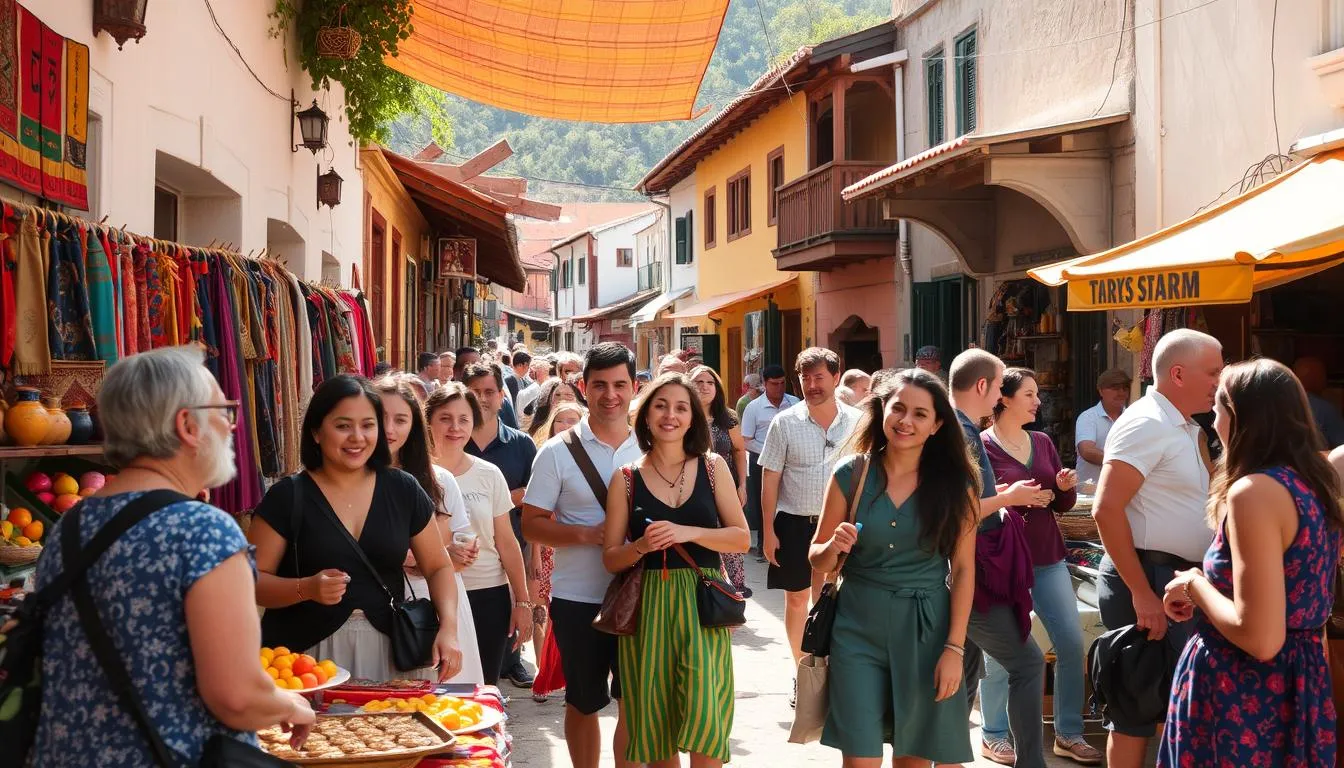
Culinary experiences are a delicious way to immerse yourself in local traditions. Taking a cooking class or joining a food tour can introduce you to new flavors and cooking techniques. For example, a cooking class in Thailand might teach you how to prepare authentic Pad Thai, while a food tour in Italy could take you through the local markets and hidden gems of a city. Check out cultural travel resources for more ideas.
Learning Traditional Crafts and Arts
Engaging with local artisans and learning traditional crafts is another way to immerse yourself in the culture. This could involve taking a workshop or class where you can learn skills such as pottery, weaving, or painting. Not only does this provide a hands-on cultural experience, but it also supports local artisans.
Staying with Local Families or in Community-Based Accommodations
Living with local families or in community-based accommodations can provide a deeper insight into daily life and traditions. Homestays and community-run lodges offer the opportunity to interact with locals, share meals, and participate in daily activities. This type of accommodation can be a rewarding way to experience the culture firsthand.
| Activity | Location | Experience |
|---|---|---|
| Cooking Class | Thailand | Learn to make authentic Pad Thai |
| Food Tour | Italy | Explore local markets and culinary delights |
| Homestay | India | Live with a local family and participate in daily routines |
One of the most rewarding aspects of cultural travel is the opportunity to engage with local communities on a deeper level. To truly experience the essence of a destination, it’s essential to connect with the people who live there.
Breaking Through the Tourist Barrier
Tourist areas often create a barrier between travelers and locals. To break through this, consider exploring neighborhoods beyond the typical tourist zones. Engage with local shopkeepers, try street food, and visit local markets. These actions can help you blend in and foster genuine interactions.
Using Language Exchange and Community Meetups
Language exchange events and community meetups are excellent ways to meet locals. You can use apps like Lemon8 to find such events or join local groups that align with your interests. This not only helps in learning the local language but also in forming meaningful connections.
Volunteering Opportunities (With Ethical Considerations)
Volunteering is a great way to connect with locals while giving back to the community. However, it’s crucial to choose opportunities that are ethical and sustainable. Research organizations thoroughly to ensure they don’t exploit local communities. Some key considerations include:
- Ensuring fair compensation for local workers
- Avoiding projects that create dependency
- Supporting local initiatives and causes
Social Media and Apps for Local Connections
Social media and various apps can facilitate connections with locals. Platforms like local Facebook groups or apps designed for cultural exchange can provide valuable insights and connections. Use these tools to ask for recommendations, join local events, or simply to connect with people who share similar interests.
By implementing these strategies, travelers can enjoy a more authentic and enriching cultural travel experience. Understanding local cultures and being open to new experiences are key to forming lasting connections with the people you meet along the way.
Navigating Cultural Differences with Respect
When traveling to new cultures, understanding and respecting local customs is crucial for a meaningful experience. Cultural travel is not just about seeing new places; it’s about immersing yourself in the local way of life. To do this effectively, you need to be aware of the cultural norms and practices that shape daily interactions.
Understanding Cultural Norms and Taboos
Every culture has its own set of norms and taboos. Understanding these is key to avoiding unintended offense. For example, in some cultures, it’s considered rude to finish a meal completely, as it implies the host didn’t provide enough food. Researching your destination’s cultural norms before you travel can help you navigate these complexities.
Appropriate Dress, Gestures, and Behavior
Dressing appropriately is a significant aspect of cultural respect. In some countries, conservative dress is expected, especially when visiting religious sites. Similarly, gestures and body language can have different meanings in different cultures. For instance, the thumbs-up sign is considered positive in many Western cultures but can be offensive in others.
Managing Culture Shock and Adjustment
Culture shock is a common experience for travelers. Managing it involves being patient with yourself and the new environment. Take time to observe and learn from your surroundings, and don’t hesitate to ask questions or seek guidance from locals or fellow travelers.
Handling Misunderstandings Gracefully
Misunderstandings will happen, but it’s how you handle them that matters. Apologizing sincerely and showing a willingness to learn can often resolve issues. Remember, locals appreciate the effort you put into respecting their culture.
| Cultural Aspect | Common Misstep | Culturally Sensitive Approach |
|---|---|---|
| Dress Code | Wearing revealing clothing in conservative countries | Dress modestly, covering shoulders and knees |
| Gestures | Using the thumbs-up sign in countries where it’s offensive | Research local gestures and their meanings |
| Dining Etiquette | Finishing a meal completely in cultures where it’s seen as rude | Leave a small amount of food on the plate |
As we explore the world through cultural travel, it’s essential to adopt practices that respect and preserve local cultures. Responsible cultural travel is not just about being a tourist; it’s about being a guest in someone else’s home. This mindset shift is crucial in ensuring that our travels are beneficial, not detrimental, to the communities we visit.
Supporting Local Economies and Businesses
One of the most effective ways to practice responsible cultural travel is by supporting local economies and businesses. This can be achieved by staying in locally-owned accommodations, eating at family-run restaurants, and purchasing goods from local artisans. By doing so, travelers can help ensure that their money stays within the community, promoting economic growth and cultural preservation.
Environmental Considerations in Cultural Settings
Cultural travel often involves visiting sensitive environmental and cultural sites. It’s crucial for travelers to be mindful of their environmental footprint by reducing waste, conserving water, and respecting protected areas. Minimizing our impact not only preserves the beauty and integrity of these sites but also ensures they remain vibrant for future generations.
Avoiding Cultural Exploitation and Appropriation
Travelers must be aware of the fine line between cultural appreciation and cultural appropriation. Avoiding exploitative practices means being respectful of cultural norms and traditions, not using sacred symbols or practices for personal gain, and supporting initiatives that benefit the local community directly.
Ethical Photography and Social Media Sharing
In the age of social media, it’s easier than ever to share our travel experiences with the world. However, this comes with the responsibility to do so ethically. Travelers should always ask for permission before photographing people or sacred sites and be mindful of the impact their online presence might have on local communities.
“The world is a book, and those who do not travel read only one page.” - Saint Augustine
This quote encapsulates the essence of cultural travel and the importance of being responsible travelers. By adopting these practices, we not only enrich our own lives but also contribute to the preservation and appreciation of the cultures we encounter.
Conclusion: Taking the First Step in Your Cultural Travel Journey
Embarking on a cultural travel journey can be a life-changing experience, offering a unique opportunity to immerse yourself in new cultures and communities. As a beginner, taking the first step can be daunting, but with the right guidance, you can set yourself up for success.
By understanding the benefits of cultural travel, including personal growth and meaningful global connections, you can begin to plan your own beginner cultural experiences. Learning how to immerse in culture is key to a fulfilling experience, whether through participating in local traditions, taking cooking classes, or staying with local families.
As you prepare for your journey, remember to approach cultural differences with respect and an open mind. By doing so, you will not only enrich your own life but also contribute to the preservation of cultural heritage and support local communities.
Now is the time to start planning your cultural travel adventure. With the knowledge and insights gained from this article, you are well-equipped to take the first step towards creating unforgettable experiences and forming lasting connections with the cultures you encounter.
FAQ
What is cultural travel, and how does it differ from regular tourism?
Cultural travel is about immersing oneself in local customs, traditions, and ways of life, whereas regular tourism often focuses on sightseeing and entertainment. Cultural travel allows travelers to engage with local communities and experience the authentic culture of a destination.
How can I prepare for a cultural travel experience?
To prepare, research the local culture, customs, and traditions of your destination. Learn a few basic phrases in the local language, and consider taking a language course or using language learning apps like Duolingo. Additionally, pack clothing that is respectful of local dress codes and cultural norms.
What are some beginner-friendly cultural travel destinations?
Some beginner-friendly destinations include cities like Tokyo, Japan; Paris, France; and Mexico City, Mexico. These cities have a rich cultural heritage and are relatively easy to navigate, with many English speakers and established tourism infrastructure.
How can I immerse myself in local traditions and customs?
To immerse yourself, participate in local festivals and ceremonies, take cooking classes, and stay with local families or in community-based accommodations. You can also learn traditional crafts and arts, and engage with local communities through language exchange and community meetups.
What are some responsible cultural travel practices?
Responsible cultural travel practices include supporting local economies and businesses, being mindful of environmental considerations, avoiding cultural exploitation and appropriation, and being respectful of local customs and traditions. Additionally, be thoughtful about your photography and social media sharing, and consider volunteering with local organizations.
How can I navigate cultural differences with respect?
To navigate cultural differences, research local cultural norms and taboos, dress and behave appropriately, and be open-minded and respectful. If you encounter culture shock or misunderstandings, remain calm, and seek guidance from local experts or fellow travelers.
What are some tips for connecting with locals authentically?
To connect with locals, use language exchange and community meetups, volunteer with local organizations, and stay in community-based accommodations. You can also use social media and apps to connect with locals, but be sure to approach these interactions with respect and an open mind.
How can I understand local cultures and customs?
To understand local cultures, research the history, customs, and traditions of your destination. Engage with local communities, ask respectful questions, and be observant of local practices. You can also take guided tours or work with local guides to gain a deeper understanding of the local culture.