How to Capture Stunning Landscapes While Traveling
Capturing stunning landscapes while traveling requires a deep understanding of both the art and science of photography. This involves not only having the right equipment and technical skills but also being able to compose shots that tell a story and evoke emotion.
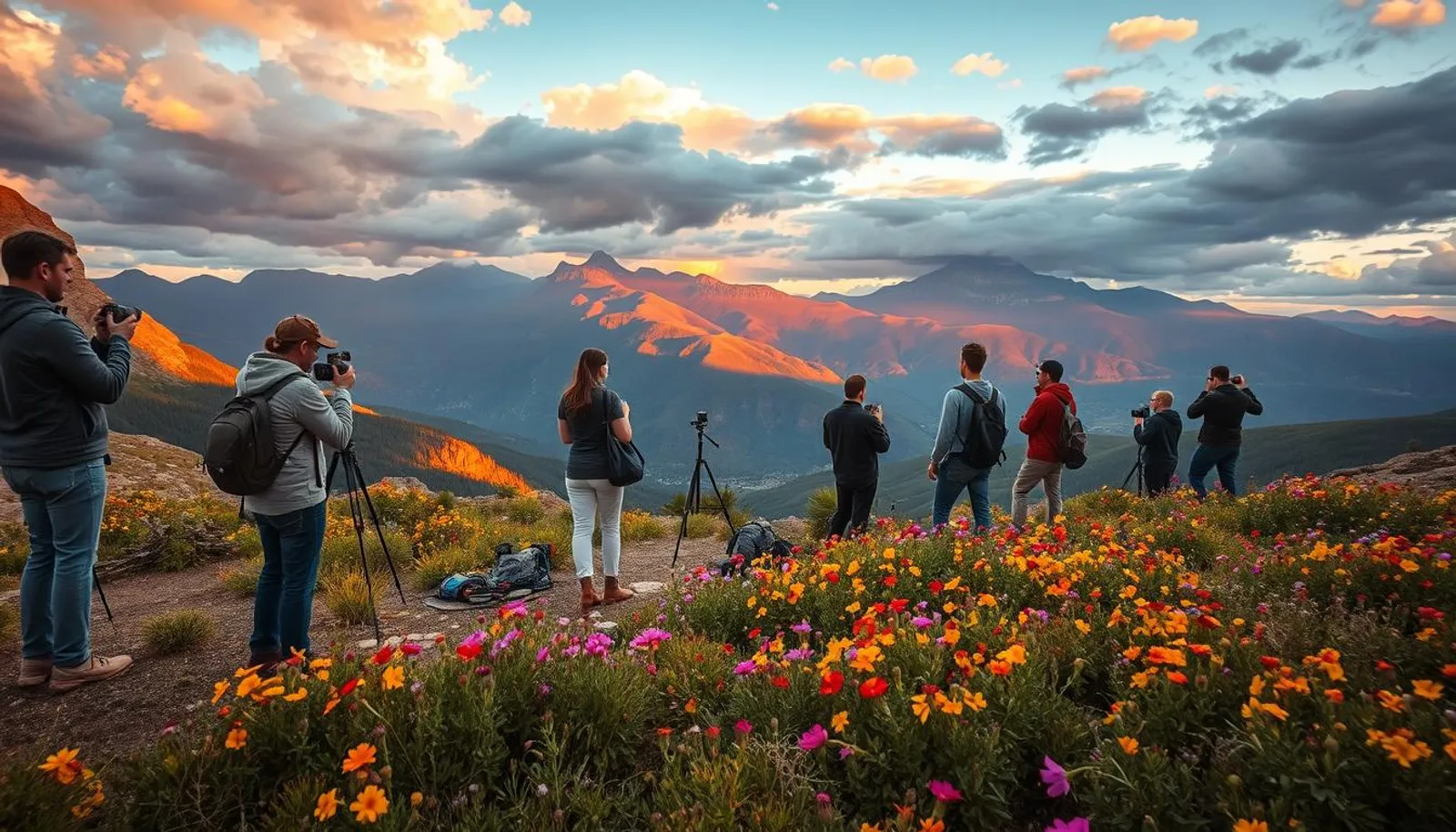

19 min read
Capturing breathtaking views while traveling can be a truly enriching experience. With the right techniques, you can preserve the memories of your journeys and share them with others. Mastering travel photography requires a combination of technical skills and creativity.
Whether you’re a seasoned photographer or just starting out, understanding how to work with light, composition, and the environment can elevate your photos. By applying a few simple landscape photography tips, you can take your travel photos to the next level.
Key Takeaways
- Understand the importance of light in travel photography
- Learn basic composition techniques for stunning photos
- Prepare for varying environments and conditions
- Experiment with different angles and perspectives
- Edit your photos to enhance their natural beauty
The Art and Science of Travel Landscape Photography
Capturing stunning landscapes while traveling requires a deep understanding of both the art and science of photography. This involves not only having the right equipment and technical skills but also being able to compose shots that tell a story and evoke emotion.
The Unique Challenges of Photographing Landscapes on the Road
Photographing landscapes on the road presents unique challenges, such as unpredictable weather conditions, varying light, and the need to be mobile. To overcome these challenges, photographers must be prepared to adapt quickly and make the most of the situations they encounter. For those looking to dive deeper into the subject, resources like “The Art, Science, and Craft of Great Landscape can provide valuable insights.
Setting Clear Photography Goals for Your Trip
Setting clear photography goals before embarking on a trip can significantly enhance your landscape photography experience. By defining what you want to achieve, you can better prepare yourself for the conditions you’ll face and ensure that you don’t miss out on capturing the shots that matter most to you. This involves researching locations, understanding the best times for shooting, and having a photography composition guide to help you frame your shots effectively.
Essential Landscape Photography Tips for Travelers
To take your travel photography to the next level, planning is key. Effective planning not only enhances the quality of your photographs but also makes your travel experience more enjoyable and less stressful.
Planning Your Shots Before the Trip
Before embarking on your journey, it’s crucial to plan your shots. This involves researching potential locations and using the right tools to maximize your photography opportunities.
Researching Locations and Viewpoints
Researching your destination is vital. Look for iconic landmarks, hidden gems, and vantage points that offer the best views. Websites, travel blogs, and social media can be great resources for finding these locations.
Using Apps and Tools for Planning
Utilizing photography apps and tools can significantly enhance your planning. Apps like Sun Surveyor help you determine the best times for shooting based on the sun’s and moon’s positions. Google Earth is another valuable tool for scouting locations and planning your shots.
Adapting to Unexpected Conditions
Despite thorough planning, unexpected conditions often arise. Weather changes, access restrictions, or other unforeseen circumstances can impact your photography plans. Being adaptable and having a backup plan can make a significant difference.
| Condition | Adaptation Strategy |
|---|---|
| Bad Weather | Use weather conditions to your advantage; for example, overcast skies can provide soft, diffused light. |
| Location Closed | Have alternative locations in mind or use your research to find similar vantage points. |
| Equipment Failure | Carry backup equipment, such as extra batteries, memory cards, and a spare camera if possible. |
Choosing the Right Gear for Travel Landscape Photography
The right gear can make a significant difference in the quality of your travel landscape photos. When preparing for a photography trip, it’s essential to consider the type of equipment that will best suit your needs.
Camera Selection: DSLR vs. Mirrorless vs. Smartphone
Choosing the right camera is the first step in building your travel landscape photography kit. DSLR cameras offer excellent image quality and a wide range of lenses, while mirrorless cameras provide a more compact alternative with similar capabilities. Smartphones, with their advanced cameras, are also a viable option for those who prefer a more minimalist approach. For more detailed information on essential gear, you can refer to resources like Digital Photography School.
Must-Have Lenses for Landscape Photography
Lenses play a crucial role in landscape photography. The right lenses can help capture the vastness and detail of natural scenes.
Wide-Angle Lenses for Expansive Scenes
Wide-angle lenses are ideal for capturing expansive landscapes, allowing you to fit more of the scene into your frame. They are particularly useful for shooting broad vistas and dramatic skies.
Telephoto Options for Compressed Landscapes
Telephoto lenses, on the other hand, are great for compressing landscapes, making distant elements appear closer together. They are useful for isolating specific features within the landscape.
| Lens Type | Ideal For | Key Benefits |
|---|---|---|
| --- | --- | --- |
| Wide-Angle | Expansive scenes, broad vistas | Captures more of the scene, dramatic skies |
| Telephoto | Compressed landscapes, isolating features | Makes distant elements appear closer, isolates specific features |
In addition to the camera and lenses, several accessories can enhance your travel landscape photography experience.
Tripods and Stabilization Equipment
A sturdy tripod is essential for landscape photography, allowing for slow shutter speeds and sharp images even in low light. Stabilization equipment, such as gimbals, can also be useful for smoothing out camera movements.
Filters and Their Applications
Filters can greatly enhance your landscape photos. Neutral density (ND) filters, for example, allow for longer exposures, while polarizing filters can reduce glare and enhance colors.
Mastering Light in Landscape Photography
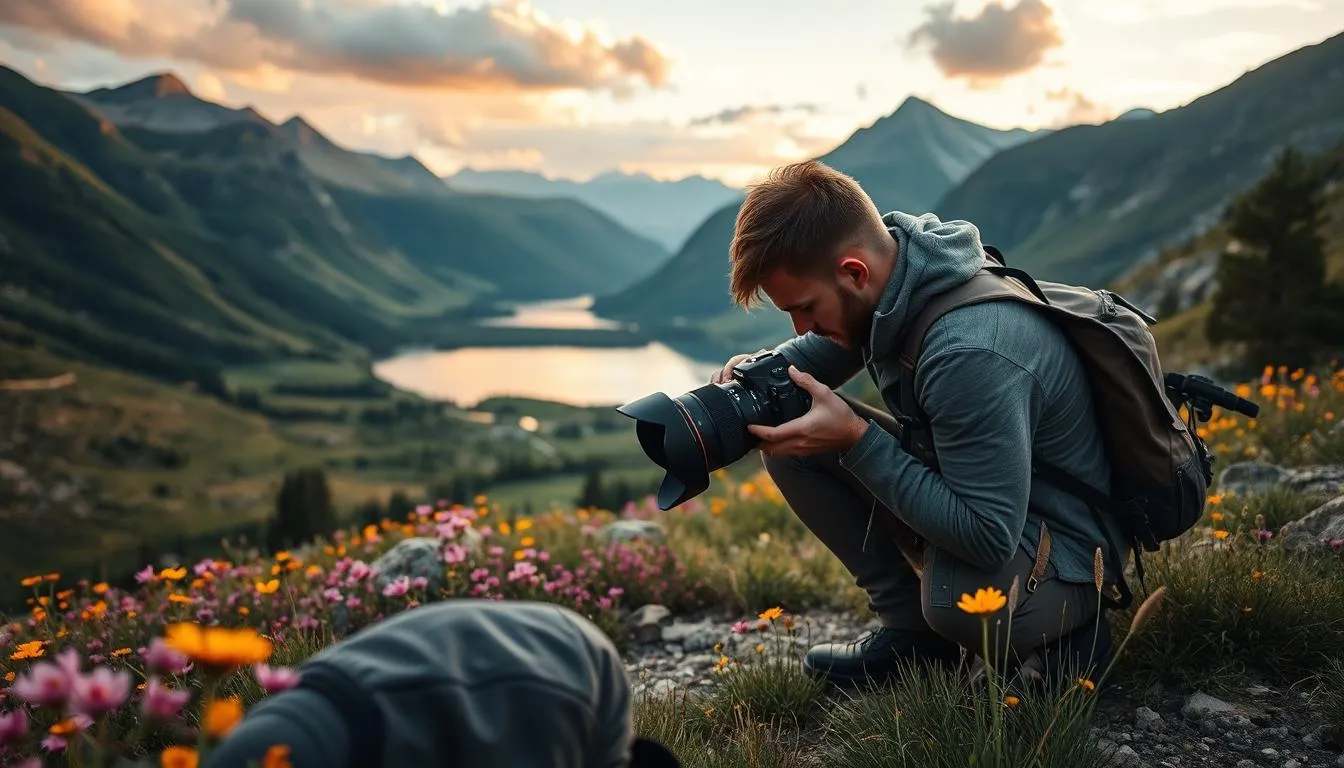
Understanding and working with light is fundamental to taking breathtaking landscape photos. Light can dramatically transform a scene, adding depth, texture, and emotion to your images.
Working with Golden and Blue Hours
The golden hour, just before sunrise, and the blue hour, just after sunset, offer soft, warm, and cool tones respectively, enhancing the beauty of landscapes. These periods provide ideal lighting conditions for capturing stunning images with long shadows and warm colors. To make the most of these hours, plan your shoots in advance, and be prepared to adapt to changing light conditions.
Handling Challenging Lighting Conditions
Not all photography sessions occur during the golden or blue hours. Often, you’ll find yourself shooting in challenging light. Understanding how to handle these conditions is crucial.
High Contrast Scenes
In scenes with high contrast, where both bright and dark areas are present, use techniques like HDR (High Dynamic Range) imaging or bracketing to capture a wider range of tones. This helps in balancing the exposure across the image.
Flat Light and Overcast Days
Flat light or overcast conditions can be challenging but also offer opportunities for capturing unique images. Use these conditions to emphasize textures, patterns, and shapes within the landscape. **
Black and white conversion** can also be an effective way to enhance the mood of your photos on overcast days.
Composition Techniques That Transform Ordinary Scenes
Composition is key to elevating your landscape photography from mundane to magnificent. By applying a few fundamental techniques, you can transform ordinary scenes into extraordinary ones.
The Rule of Thirds and Leading Lines
The rule of thirds is a basic principle in photography that involves dividing the image into thirds both horizontally and vertically, placing important elements along these lines. **
Leading lines** can guide the viewer’s eye through the image, creating a sense of depth and dimensionality. For example, a winding road or a shoreline can lead the viewer into the scene.
Using Foreground Elements to Create Depth
Incorporating foreground elements can add depth to your landscape photographs. This could be anything from rocks and flowers to abandoned objects. The key is to use these elements to create a sense of layering, drawing the viewer’s eye into the image.
| Technique | Description | Effect |
|---|---|---|
| --- | --- | --- |
| Rule of Thirds | Divide the image into thirds | Creates balance |
| Leading Lines | Guide the viewer’s eye | Creates depth |
| Foreground Elements | Add objects in the foreground | Enhances dimensionality |
**
Framing** involves using natural or man-made features to create a frame around your subject. This could be archways, trees, or even rocks. Framing helps isolate the subject and adds depth to the image, making it more engaging.
By mastering these composition techniques, you can significantly improve your landscape photography, turning ordinary scenes into captivating works of art.
Capturing Different Types of Landscapes
Capturing the beauty of different landscapes requires an understanding of the specific challenges and opportunities each presents. Whether you’re photographing the grandeur of mountains, the serenity of coastlines, the vastness of deserts, or the tranquility of forests, each environment demands a unique approach.
Mountain Photography Techniques
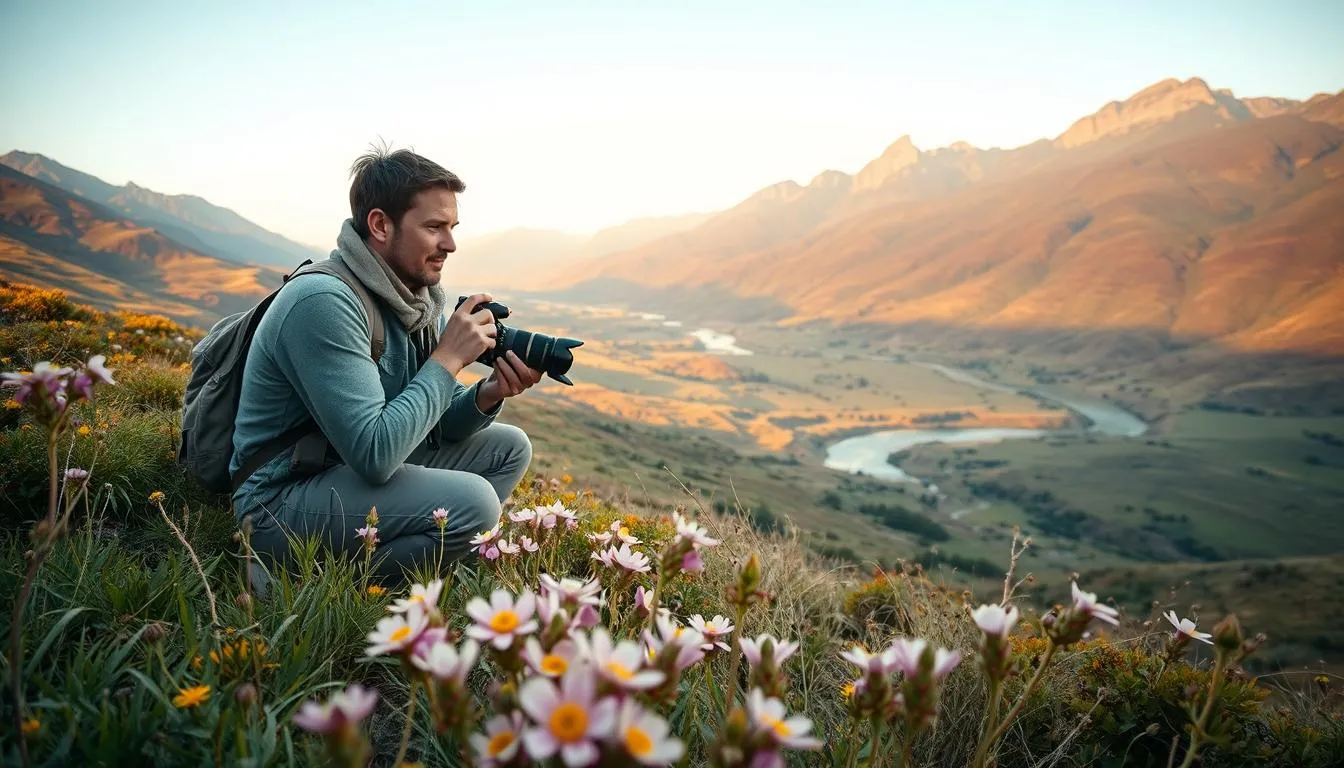
Mountain landscapes offer dramatic vistas and challenging conditions. To capture their essence, focus on using a wide-angle lens to encompass the vast scenery and a gradual neutral density filter to balance exposure. Shooting during the golden hour can add warmth and depth to your images.
Coastal and Seascape Photography
Coastal scenes are dynamic, with changing tides and weather conditions. To capture the power of the sea, use a slow shutter speed to convey motion and a polarizing filter to reduce glare. Timing is crucial; shoot during the golden hour or overcast skies for softer light.
Desert and Arid Landscape Photography
Deserts present unique challenges, such as harsh light and vast, empty spaces. To capture their beauty, look for patterns and textures in the sand and rock formations. Shooting during the early morning or late afternoon can help avoid harsh midday sun.
Forest and Woodland Photography
Forests are dense and complex environments. To capture their essence, use a wide-aperture lens to create a shallow depth of field, isolating interesting features like tree trunks or wildflowers. Pay attention to the light filtering through the canopy, as it can create dappled, interesting effects.
By understanding and adapting to the unique characteristics of each landscape type, photographers can capture a diverse range of images that showcase the natural beauty of our world.
Weather and Seasonal Considerations
Understanding how weather and seasons impact your landscape photography can elevate your images from ordinary to extraordinary. The interplay between light, atmosphere, and the landscape itself changes dramatically with the seasons and weather conditions, offering a wide range of photographic opportunities.
Photographing in Different Seasons
The changing seasons bring unique characteristics to landscapes, from the vibrant colors of spring to the serene snowscapes of winter. Each season offers distinct opportunities for capturing compelling images.
Spring and Summer Landscapes
Spring brings renewal and vibrant colors to landscapes, with blooming flowers and fresh greenery. Summer landscapes are characterized by warm light and long days, ideal for capturing expansive scenes.
Fall and Winter Opportunities
Autumn landscapes are marked by fiery foliage and soft, golden light, creating a warm atmosphere. Winter brings serene landscapes, with snow-covered scenes offering a tranquil and monochromatic palette.
Capturing Dramatic Weather Phenomena
Weather conditions can dramatically alter the mood and composition of a landscape. Photographers should be prepared to capture a range of weather phenomena.
Storms and Atmospheric Conditions
Storms can add drama to landscapes, with dark skies and dynamic lighting. Capturing these moments requires quick reflexes and preparedness.
Fog, Mist, and Atmospheric Effects
Fog and mist can add mystery to landscapes, simplifying compositions and emphasizing certain elements. These conditions are ideal for capturing moody, atmospheric images.
| Season | Characteristics | Photography Opportunities |
|---|---|---|
| --- | --- | --- |
| Spring | Vibrant colors, renewal | Blooming flowers, fresh greenery |
| Summer | Warm light, long days | Expansive scenes, golden hours |
| Autumn | Fiery foliage, soft light | Warm atmosphere, foliage photography |
| Winter | Serene landscapes, snow | Tranquil scenes, monochromatic palette |
Advanced Landscape Photography Tips for Stunning Results
To elevate your landscape photography, consider incorporating advanced techniques into your repertoire. Mastering these methods can significantly enhance the quality and impact of your images.
Long Exposure Techniques
Long exposure photography can add a dynamic element to your landscape shots, capturing the movement of water, clouds, or other elements. This technique requires a tripod and patience, but the results can be breathtaking.
Capturing Moving Water and Clouds
For moving water and clouds, use shutter speeds ranging from a few seconds to several minutes. This creates a silky effect on water and a sense of motion in the clouds.
Night and Astrophotography
Long exposures are also crucial for night photography and astrophotography, allowing you to capture the stars and the night sky in detail. Learn more about landscape photography tips.
HDR and Bracketing for High-Contrast Scenes
High Dynamic Range (HDR) photography involves capturing multiple exposures of the same scene and merging them. This technique is particularly useful for high-contrast scenes where the difference between light and dark areas is significant.
By bracketing your shots, you can ensure that you capture the full range of tones in your scene, from the brightest highlights to the darkest shadows.
Panoramic Photography Methods
Panoramic photography allows you to capture expansive views that can envelop the viewer. To create a panorama, take multiple overlapping shots and then stitch them together using specialized software.
The key to successful panoramic photography is to maintain a consistent exposure and to overlap your shots by about 30%. This ensures a seamless blend between images.
Post-Processing Your Travel Landscape Photos
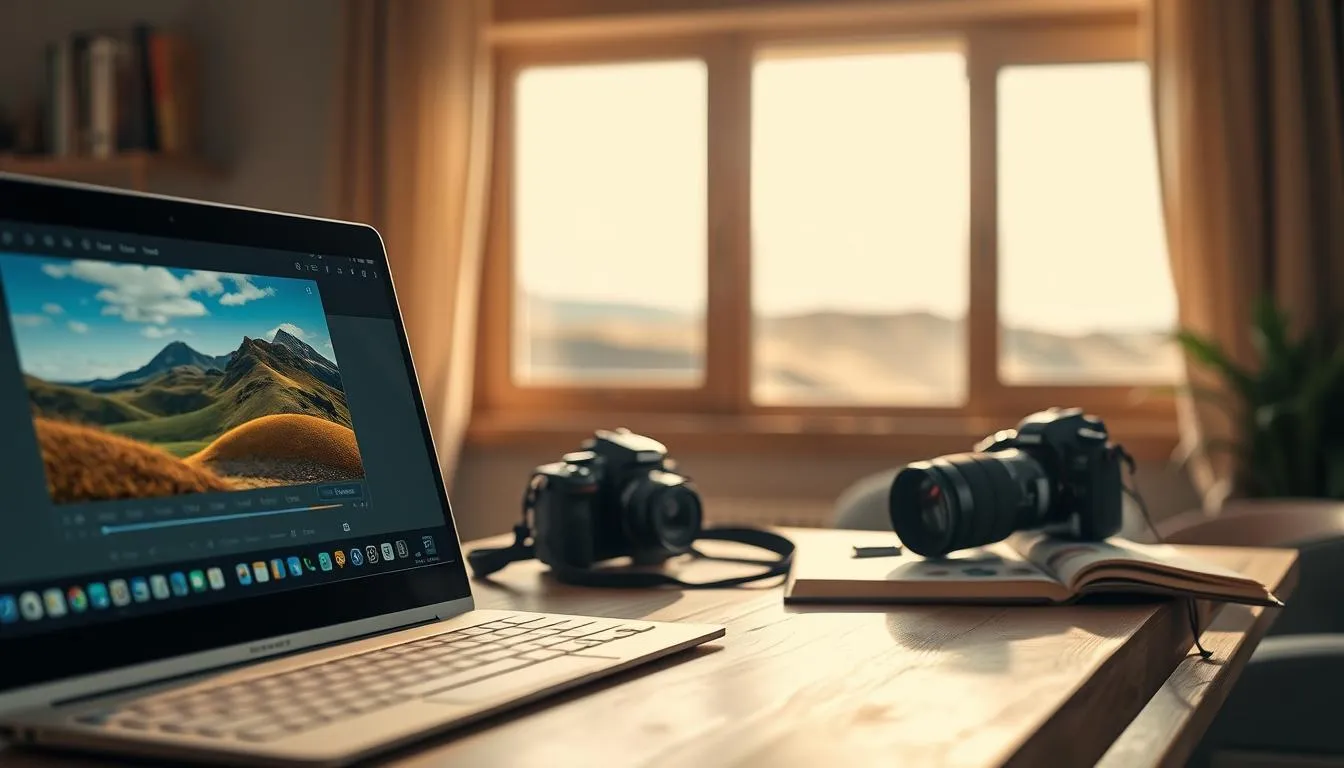
The art of landscape photography doesn’t end with capturing the shot; it extends into the post-processing stage, where your images can be transformed into stunning visual narratives. Effective post-processing can elevate your travel landscape photos from good to breathtaking, making the most of the details you’ve captured.
Essential Editing Software for Landscape Photographers
Choosing the right editing software is crucial for landscape photographers. Popular options include **
Adobe Lightroom** and **
Photoshop**, which offer a comprehensive range of tools for enhancing and manipulating your images. These programs allow for non-destructive editing, ensuring that your original files remain intact while you experiment with different edits.
Basic Adjustments to Enhance Your Images
Basic adjustments can significantly improve your landscape photos. Start with exposure and contrast adjustments to balance the light and dark areas of your image.
Color Correction and White Balance
Correcting the white balance is essential for ensuring that the colors in your image accurately represent the scene. Adjusting the white balance can help remove unwanted color casts and enhance the natural tones of your landscape.
Exposure and Contrast Adjustments
Making exposure adjustments helps in brightening or darkening the image to achieve the desired mood. Contrast adjustments further refine the image by defining the difference between light and dark areas, adding depth to your landscape photos.
Advanced Editing Techniques for Professional Results
For those looking to take their landscape photography to the next level, advanced editing techniques such as dodging and burning, and selective adjustments can make a significant difference.
Dodging and Burning
Dodging and burning involve selectively lightening or darkening areas of your image to draw attention to specific elements or to balance the exposure. This technique can help enhance the three-dimensional appearance of your landscape photos.
Selective Adjustments and Masking
Selective adjustments allow you to target specific parts of your image for editing, such as adjusting the exposure or color of a particular area without affecting the rest of the image. Masking is a powerful tool that enables these precise adjustments, giving you greater control over the final look of your landscape photographs.
Storytelling Through Your Landscape Photography
Landscape photography is not just about capturing beautiful scenes; it’s about telling a story that resonates with viewers. When done effectively, it can transport the audience to another time and place, evoking emotions and sparking imagination.
Creating a Narrative with Your Travel Images
To create a compelling narrative, photographers should consider the story they want to tell. This could be the majesty of a landscape, the culture of a place, or the interaction between humans and their environment. **
Key elements to focus on include:
- The main subject of the landscape
- The lighting and mood it creates
- Any human elements that add context
Incorporating Cultural Elements into Landscapes
Cultural elements can significantly enhance the storytelling aspect of landscape photography. By incorporating local characters, traditional practices, or historical landmarks, photographers can add depth and meaning to their images.
Human Elements in Natural Settings
Including people in landscape photographs can provide scale and context, making the scene more relatable. It can also highlight the relationship between humans and nature.
Capturing Local Character in Landscapes
Photographing local characters and their interactions with the landscape can add a rich layer of storytelling. It reveals the culture and daily life of the area, making the photograph more engaging.
Ethical Considerations in Landscape Photography
As landscape photographers, we have a responsibility to capture the beauty of nature while respecting and preserving the environments we photograph. This involves being mindful of our impact on the natural world and taking steps to minimize our footprint.
Respecting Nature and Protected Areas
When photographing in natural or protected areas, it’s essential to respect the environment and any rules or regulations in place. This includes staying on designated trails, not disturbing wildlife, and avoiding actions that could damage the landscape.
Best practices include being aware of sensitive habitats and avoiding areas that are closed to visitors. By doing so, we help preserve these areas for future generations.
Responsible Social Media Sharing
In the age of social media, sharing our landscape photography can inspire others to visit and appreciate these natural wonders. However, it’s crucial to share responsibly, providing accurate information about locations and promoting respectful behavior.
Using geotags and providing detailed captions can help viewers understand the context of the image and encourage them to visit responsibly.
Conclusion
Capturing stunning landscapes while traveling requires a combination of technical skills, creativity, and practice. By following the tips outlined in this photography composition guide, you’ll be well on your way to capturing breathtaking nature photos that evoke emotion and tell a story.
To recap, we’ve covered essential techniques such as mastering light, composition, and camera settings. We’ve also discussed the importance of planning, adapting to unexpected conditions, and respecting the environment. For more in-depth guidance on improving your landscape photography, check out the Digital Photography School’s tips on the subject.
By applying these principles and continually practicing, you’ll enhance your skills in capturing nature photos that are not only visually stunning but also meaningful. So, pack your gear, hit the road, and start capturing the beauty of the world around you.
FAQ
What are the best camera settings for landscape photography?
For landscape photography, it’s recommended to use a low ISO, a small aperture (high f-stop number) for a large depth of field, and a slow shutter speed to capture detail in both the foreground and background. You can also use the camera’s Manual or Aperture Priority mode to achieve the desired effect.
How do I plan my landscape photography shots before a trip?
To plan your shots, research your location and identify potential viewpoints, use apps like Google Earth or PhotoPills to scout locations, and check the weather forecast to anticipate lighting conditions. You can also look for inspiration online and create a shot list to help guide your photography.
What are some essential accessories for travel landscape photography?
Some essential accessories include a tripod for stability, filters to control light and enhance colors, a remote shutter release or camera timer to avoid camera shake, and a lens cleaning kit to keep your gear in good condition.
How can I improve my composition in landscape photography?
To improve your composition, use techniques like the Rule of Thirds, leading lines, and framing to create visually appealing images. You can also experiment with different foreground elements to add depth to your photos and pay attention to the light and how it interacts with your scene.
What are some tips for capturing different types of landscapes, such as mountains or coastlines?
For mountain photography, look for interesting rock formations, use a wide-angle lens to capture the grandeur of the scene, and consider shooting during the golden hour for warm light. For coastal photography, focus on capturing the interaction between the sea and shore, use a slow shutter speed to convey motion, and be mindful of the tide and weather conditions.
How can I edit my landscape photos to achieve professional results?
To edit your landscape photos, start with basic adjustments like exposure, contrast, and color correction. You can then use advanced techniques like dodging and burning, selective adjustments, and masking to refine your image. Software like Adobe Lightroom and Photoshop can be used to achieve professional results.
What are some ethical considerations to keep in mind when practicing landscape photography?
When practicing landscape photography, be sure to respect nature and protected areas by staying on designated trails, not disturbing wildlife, and not removing or damaging any natural elements. You should also be mindful of your impact on the environment and other visitors when sharing your photos on social media.
How can I use storytelling techniques in my landscape photography?
To tell a story through your landscape photography, consider incorporating cultural elements or human elements into your images to add context and interest. You can also use composition techniques like leading lines or framing to guide the viewer’s eye and create a narrative.