How to Experience Local Cuisine While Traveling
Exploring a new destination through its cuisine is an integral part of traveling. Food is more than just sustenance; it's a gateway to understanding the culture, history, and traditions of a place.

18 min read
Embarking on a journey to a new destination is not just about sightseeing; it’s also about immersing yourself in the cultural food exploration that defines the essence of a place. Experiencing the local flavors is a crucial part of any travel experience, creating memories that last a lifetime.
When you dive into the local cuisine, you’re not just satisfying your hunger; you’re gaining a deeper understanding of the culture, history, and traditions of the area. It’s a sensory journey that connects you with the community, making your travel experience richer and more meaningful.
Key Takeaways
- Immerse yourself in local food culture for a richer travel experience.
- Explore traditional dishes to understand the history and traditions of the destination.
- Engage with the local community through food to create lasting memories.
- Be adventurous and try new flavors and ingredients.
- Use local cuisine travel tips to enhance your culinary journey.
The Importance of Food in Cultural Exploration
Exploring a new destination through its cuisine is an integral part of traveling. Food is more than just sustenance; it’s a gateway to understanding the culture, history, and traditions of a place.
How Food Reflects Cultural Identity and History
Cuisine is a reflection of a region’s cultural identity and history. The ingredients used, the methods of preparation, and the way food is consumed all tell a story about the people and their heritage. For instance, the use of certain spices or ingredients can be traced back to historical trade routes, while cooking techniques may have been passed down through generations. Research has shown that food experiences abroad can significantly enhance one’s understanding of a culture.
Why Culinary Experiences Create Lasting Travel Memories
Culinary experiences are crucial for creating lasting travel memories. The sensory experience of tasting local food can evoke strong emotions and memories, connecting travelers to the place and time. Whether it’s savoring street food or dining at a local restaurant, these experiences stay with travelers long after they’ve returned home.
The Sensory Connection to Place and Time
The sensory aspects of food play a significant role in creating these lasting memories. The smell of certain dishes, the taste of local ingredients, and the sight of food being prepared all contribute to a rich sensory experience. This connection to place and time is what makes culinary experiences so memorable.
| Aspect | Description | Impact |
|---|---|---|
| Sensory Experience | Tasting local food, smelling spices, seeing food preparation | Creates lasting memories |
| Cultural Significance | Understanding history and traditions through cuisine | Enhances cultural understanding |
| Emotional Connection | Evokes emotions through familiar or new flavors | Strengthens connection to place and culture |
Before embarking on a culinary journey, thorough research is essential to make the most of your local cuisine travel experience. Understanding the local food culture not only enhances your dining experiences but also helps you navigate unfamiliar culinary landscapes.
Identifying Signature Dishes of Your Destination
Every destination has its signature dishes that reflect the local culture and history. Researching these dishes beforehand can significantly enhance your culinary adventure. For instance, if you’re traveling to Japan, understanding the difference between various types of sushi or knowing the significance of ramen in different regions can elevate your dining experience.
Resources for Pre-Trip Food Research
- Food blogs and travel websites
- Culinary guides and cookbooks
- Social media platforms like Instagram
- Local food forums and travel guides
Understanding Dining Customs and Etiquette
Dining customs vary significantly across cultures. For example, in some countries, it’s customary to wait for the host to start eating before you begin, while in others, not finishing a meal might be considered rude. Understanding these customs can make your dining experiences more enjoyable and respectful.
| Country | Dining Custom |
|---|---|
| Japan | It is polite to wait for the host to say “itadakimasu” before starting to eat. |
| France | Keep your hands visible on the table, with your wrists resting on the edge. |
| China | Use chopsticks correctly, and avoid leaving them standing upright in your rice bowl. |
Food safety is a critical aspect of culinary travel. Researching the common food safety practices and being aware of any local health advisories can help you avoid foodborne illnesses. It’s also wise to know the local emergency numbers and have a plan for medical care if needed.

Essential Local Cuisine Travel Tips for Food Enthusiasts
To make the most of your culinary travels, it’s essential to have the right tips and tricks up your sleeve. Whether you’re a seasoned foodie or just looking to try something new, being prepared can elevate your dining experiences abroad.
Packing Items for Food Exploration
When packing for your culinary adventure, consider including items that will enhance your food experiences. Essential items may include:
- Reusable water bottle
- Snacks for quick energy
- Travel-friendly utensils
Digestive Aids and Medications
It’s also wise to pack digestive aids and medications to help manage any unexpected gastrointestinal issues. This might include antacids, anti-diarrheal medication, or probiotics.
Managing Dietary Restrictions Abroad
For travelers with dietary restrictions, researching local options that cater to your needs is crucial. Look for restaurants that clearly label their dishes with ingredient information, and don’t hesitate to ask locals or your hotel for recommendations.
Budgeting for Food Experiences
Budgeting is a key aspect of culinary travel. Set a daily food budget and stick to it by balancing high-end dining experiences with more affordable street food or local eateries. Consider the following budgeting tips:
- Research affordable dining options
- Take advantage of local markets
- Consider a food tour to sample a variety of dishes
Finding Authentic Eateries: Beyond Tourist Traps
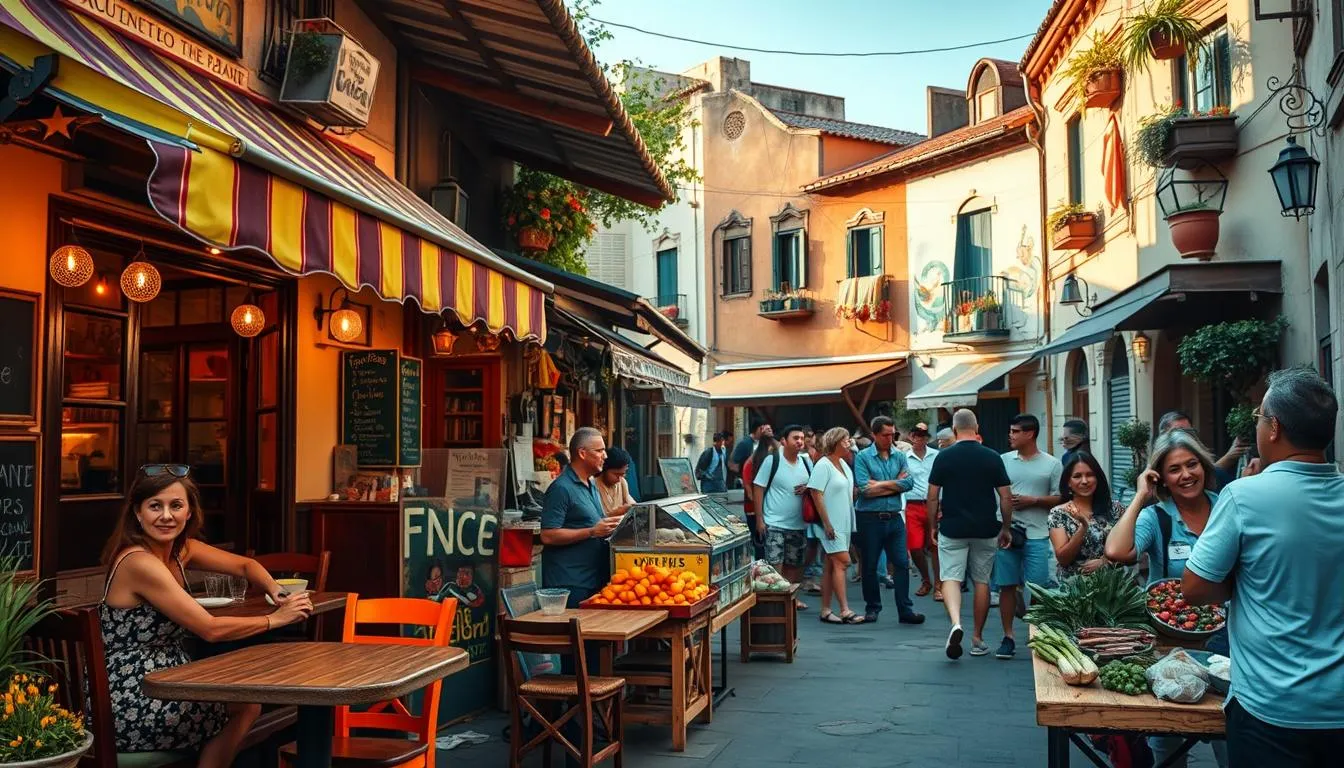
To truly taste local food, one must venture beyond the tourist areas and find eateries frequented by locals. Authentic local restaurants offer a genuine culinary experience that is a cornerstone of cultural food exploration.
Signs of Authentic Local Restaurants
Authentic local restaurants often have certain characteristics that distinguish them from tourist traps. These include:
- Menus written in the local language
- A clientele that is predominantly local
- Decor that reflects local culture
- Dishes that are not found on tourist menus
Using Technology to Locate Hidden Gems
In today’s digital age, technology plays a significant role in discovering authentic eateries. Various apps and websites can help travelers find local restaurants that are off the beaten path.
Apps and Websites for Food Discovery
Some popular tools for food discovery include:
- Yelp
- TripAdvisor
- Google Maps
- Local food blogs
The “Follow the Locals” Strategy
One of the most effective ways to find authentic eateries is to follow the locals. Ask your hotel concierge, talk to locals, or observe where people go to eat. This strategy can lead you to hidden gems that are not listed in typical travel guides.
By combining these strategies, travelers can enjoy a rich and authentic culinary experience that is a true reflection of the local culture.
Street Food Adventures: Navigating Food Stalls and Markets
The vibrant world of street food offers a sensory experience that combines taste, smell, and culture. For many travelers, exploring street food stalls and markets is a highlight of their culinary journey abroad.
Safety Tips for Street Food Consumption
When indulging in street food, safety should be a top priority. Look for vendors that are popular among locals, as this often indicates that the food is fresh and handled properly. Additionally, observe the food preparation process to ensure it’s cooked thoroughly.
Key safety tips include:
- Choosing stalls with a high turnover of customers
- Avoiding raw or undercooked foods
- Drinking bottled or filtered water
Must-Visit Food Markets Around the World
Some of the world’s most renowned food markets can be found in cities like Bangkok, Mexico City, and Marrakech. For instance, Hua Hin Night Market in Thailand offers a variety of street food delights.
How to Choose the Best Vendors
Visual Cues for Quality and Freshness
When selecting a street food vendor, look for visual cues that indicate quality and freshness. These can include:
| Visual Cue | Indicator of Quality |
|---|---|
| High customer turnover | Freshness and popularity |
| Cleanliness of the stall | Attention to hygiene |
| Visible food preparation | Transparency in cooking |
Culinary Tours and Cooking Classes: Immersive Food Experiences
For food enthusiasts, culinary tours and cooking classes offer an immersive dive into the heart of local cuisine. These experiences not only tantalize the taste buds but also provide a deeper understanding of the culture and history behind the dishes.
Benefits of Guided Food Tours
Guided food tours are an excellent way to explore a destination’s culinary landscape. They offer the opportunity to sample a variety of dishes, from street food to high-end cuisine, while learning about the local food culture from knowledgeable guides. Some benefits include:
- Discovering hidden gems and local favorites
- Gaining insights into the history and significance of various dishes
- Meeting local chefs and food vendors
What to Look for in a Cooking Class Abroad
When selecting a cooking class, consider the following factors to ensure a rewarding experience:
- Curriculum: Look for classes that focus on local specialties and ingredients.
- Instruction: Opt for classes taught by experienced local chefs.
- Hands-on experience: Choose classes that offer practical cooking experience.
Farm-to-Table Experiences and Food Production Tours
Farm-to-table experiences and food production tours offer a unique perspective on local cuisine by showcasing the journey of ingredients from farm to plate. These tours can include visits to local farms, markets, and artisanal producers, providing a comprehensive understanding of the food production process.
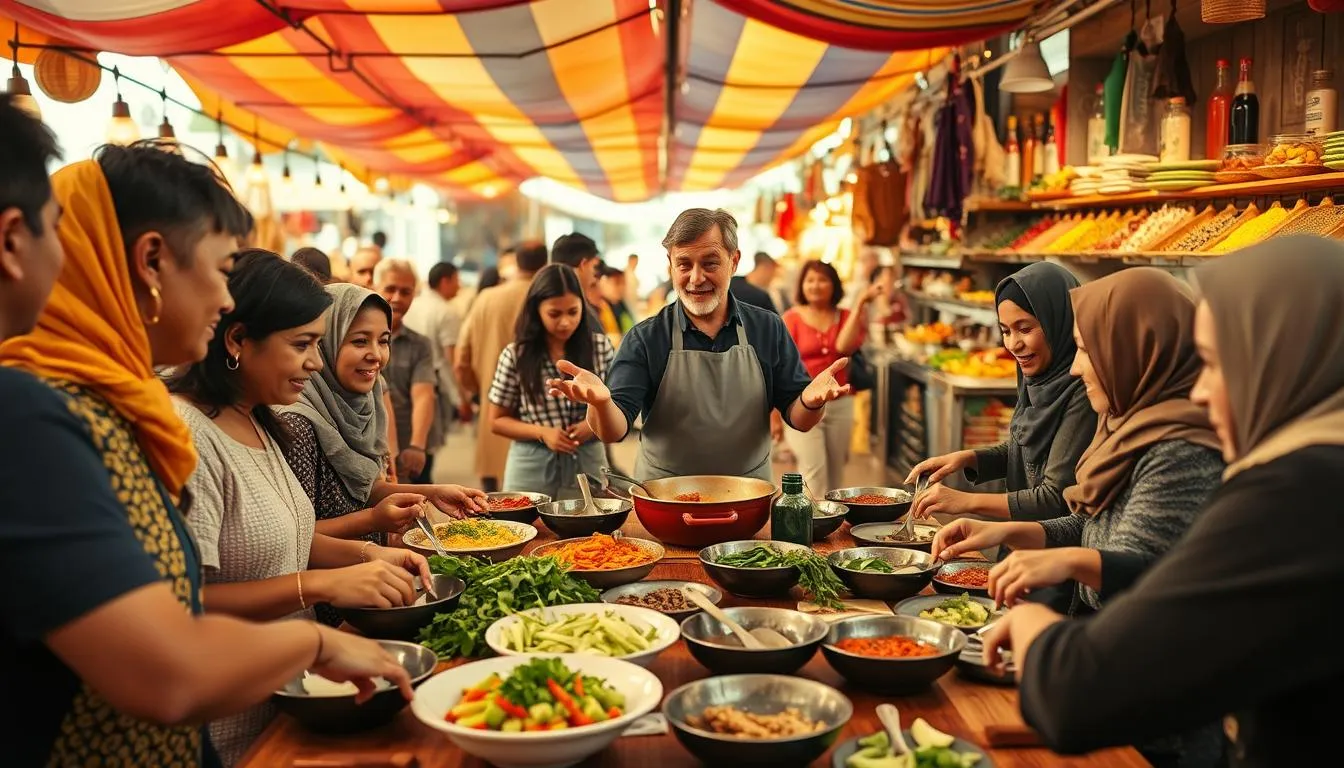 By participating in culinary tours and cooking classes, travelers can enjoy a more authentic and engaging culinary experience. These immersive experiences not only enhance one’s appreciation for local cuisine but also create lasting memories of the trip.
Connecting with Locals Through Food
Food serves as a universal language, allowing travelers to forge meaningful connections with locals. When exploring a new destination, immersing yourself in the local cuisine can lead to enriching experiences and memorable encounters.
Home Dining Platforms and Opportunities
One of the most authentic ways to experience local food culture is by dining with local families. Platforms like EatWith and MealSharing offer opportunities to share meals with locals in their homes. For instance, you can enjoy a homemade Italian meal in Florence or savor traditional Japanese cuisine in Tokyo. For more insights on eating like a local, visit InsideHook.
These experiences not only provide a taste of authentic cuisine but also offer a chance to engage in conversations about food, culture, and daily life.
Conversation Starters About Local Cuisine
Engaging with locals about their food can lead to fascinating conversations. Here are some conversation starters:
- What’s your favorite local dish and why is it significant to you?
- Can you recommend a hidden gem for dining that’s off the beaten path?
- How has your culinary tradition evolved over time?
These questions can help break the ice and lead to meaningful exchanges about food and culture.
Participating in Food Festivals and Community Events
Food festivals and community events are vibrant expressions of a region’s culinary identity. Participating in these events can be a fun and engaging way to connect with locals. For example, attending the Tomatina Festival in Spain or the New Orleans Jazz & Heritage Festival in the United States can provide unique insights into local food traditions.
Here’s a comparison of some popular food festivals around the world:
| Festival | Location | Main Attraction |
|---|---|---|
| Tomatina Festival | Bu帽ol, Spain | Tomato-throwing event |
| New Orleans Jazz & Heritage Festival | New Orleans, USA | Live jazz music and Creole cuisine |
| Oktoberfest | Munich, Germany | Traditional German beer and food |
The art of savoring local flavors is elevated when you document your gastronomic journey. By capturing your experiences, you can relive the memories and share them with others. Effective documentation involves more than just snapping photos; it’s about telling a story through various mediums.
Food Photography Tips for Travelers
Good food photography starts with understanding lighting and composition. Natural light is your best friend when taking food photos. Avoid using the camera’s flash as it can create harsh shadows and unflattering highlights. Instead, take your photos near a window or outside. Experiment with different angles to add variety to your shots.
Keeping a Food Journal
Keeping a food journal is a thoughtful way to record your culinary adventures. Write down the names of dishes you try, the ingredients used, and your impressions. This practice not only helps you remember your experiences but also allows you to reflect on the flavors and textures you enjoyed. It’s a personal record that can inspire future culinary explorations.
Collecting Recipes to Recreate at Home
Collecting recipes is a great way to bring back a piece of your culinary journey. Ask your server or the chef for the recipe, or look for local cookbooks. Recreating dishes at home allows you to relive your travel experiences and share them with friends and family. It’s also a way to continue exploring new cuisines from the comfort of your own kitchen.
Navigating Culinary Challenges Abroad
Traveling abroad can be a culinary adventure, but it often comes with its own set of challenges. Whether you’re a seasoned foodie or just looking to try new things, navigating unfamiliar culinary landscapes can be daunting.
Dealing with Unfamiliar Ingredients and Dishes
One of the biggest challenges travelers face is encountering ingredients and dishes they’ve never seen before. To make the most of your culinary experience, be open to trying new foods. Researching local specialties beforehand can help you feel more confident when ordering. For instance, dishes like sushi in Japan or pasta in Italy can vary significantly from their American counterparts. Being adventurous and willing to try local cuisine is key to a fulfilling food experience abroad.
Managing Food-Related Culture Shock
Culture shock can extend to food, especially when dining customs or food preparation methods differ significantly from what you’re used to. For example, eating with your hands is common in some cultures, while in others, it’s considered rude. Understanding these nuances can enhance your dining experience. Being respectful of local customs and traditions is crucial when exploring foreign cuisine.
Handling Language Barriers When Ordering
Language barriers can complicate ordering food. Learning a few essential phrases in the local language can go a long way. For more complex interactions, consider using translation apps or carrying a phrasebook.
Essential Food-Related Phrases to Learn
- “Hello, I’d like to order.”
- “What’s the specialty of the house?”
- “I’m allergic to [common allergens].”
- “Can you recommend something?”
For more tips on managing dietary needs while traveling, check out our guide on how to find healthy food while.
By being prepared and open-minded, you can navigate culinary challenges abroad and enjoy a rich and fulfilling food experience. Whether it’s trying new dishes, understanding local dining customs, or handling language barriers, your culinary adventure is sure to be memorable.
Regional Approaches: Adapting Your Food Strategy by Destination
Cultural food exploration varies significantly across the globe, necessitating adaptable strategies for travelers. When exploring different regions, understanding the local cuisine is not just about trying new foods, but also about immersing oneself in the culture and history behind the dishes.
Asian Cuisine Exploration Strategies
Asian cuisine is known for its diversity and complexity. To fully experience it, travelers should explore street food markets and try local specialties like sushi in Japan or pad thai in Thailand. For more information on the cultural significance of food in Asia, visit this resource.
- Visit local markets to sample fresh produce and street food.
- Take a cooking class to learn about traditional Asian dishes.
- Explore different regions within a country to experience varied cuisines.
European Food Culture Navigation
European cuisine is rich and varied, with each country having its own unique culinary traditions. Travelers should enjoy local pastries and bread and participate in wine tastings where applicable. Key strategies include:
- Dining at family-run trattorias or bistros.
- Sampling local cheeses and cured meats.
- Exploring food festivals and markets.
Latin American and Caribbean Food Discoveries
Latin American and Caribbean cuisines are known for their bold flavors and vibrant cultures. Travelers can experience the rich culinary heritage by trying dishes like tacos in Mexico or jerk chicken in Jamaica.
African and Middle Eastern Culinary Adventures
African and Middle Eastern cuisines offer a wealth of flavors and aromas. Visitors can explore traditional cooking methods and sample local delicacies such as tagines in Morocco or injera in Ethiopia.
By adapting food strategies to the destination, travelers can enhance their culinary experiences and create lasting memories of their journeys.
Conclusion: Transforming Travel Through Taste
Experiencing local cuisine is a vital part of traveling, allowing you to immerse yourself in the culture and heritage of your destination. By following local cuisine travel tips, you can enhance your food experiences abroad and create lasting memories.
As travelers become more adventurous, they seek authentic culinary experiences, from street food tours in Bangkok to pasta-making classes in Tuscany. This shift towards culinary tourism is transforming the way we travel, with 20% of travelers now choosing destinations based on their culinary offerings.
To make the most of your culinary journey, remain open to new food experiences and be willing to try unfamiliar ingredients and dishes. By embracing local cuisine, you can gain a deeper understanding of the culture and history behind the food, ultimately enriching your travel experience.
FAQ
What are some tips for experiencing local cuisine while traveling?
Researching local signature dishes, understanding dining customs, and being open to trying new foods are essential for a rich culinary experience. Consider visiting local markets, street food stalls, and authentic eateries recommended by locals or food guides.
How can I identify authentic local restaurants while traveling?
Look for eateries that are popular among locals, have a lively atmosphere, and serve traditional dishes. You can also use online review platforms, ask locals for recommendations, or explore neighborhoods away from tourist areas to discover authentic restaurants.
What should I pack for a culinary adventure abroad?
Pack digestive aids, medications for food-related issues, and a portable water filter or purification tablets if needed. Consider bringing a food journal to record your experiences and a camera to capture dishes.
How can I manage dietary restrictions while traveling abroad?
Research local cuisine and restaurants that cater to your dietary needs before your trip. Learn key phrases in the local language to communicate your dietary restrictions, and consider downloading translation apps or carrying a food dictionary.
What are some safety tips for consuming street food?
Choose vendors that are popular among locals, have a high turnover of food, and maintain good hygiene practices. Avoid undercooked or raw foods, and be cautious with foods that may have been left out at room temperature for too long.
How can I document my culinary journey effectively?
Take photos of your dishes, keep a food journal to record your experiences, and collect recipes to recreate at home. You can also write reviews of restaurants and food establishments on travel and food platforms.
What are some strategies for navigating culinary challenges abroad, such as unfamiliar ingredients or language barriers?
Learn essential food-related phrases in the local language, research unfamiliar ingredients, and be open to trying new foods. Consider carrying a phrasebook or using translation apps to help communicate with restaurant staff.
How can I connect with locals through food while traveling?
Participate in home dining platforms, attend food festivals and community events, and engage in conversations with locals about their cuisine. You can also take cooking classes or join guided food tours to meet like-minded travelers and locals.