How to Master Food And Drink
With the right guidance, you can explore a world of flavors and create dishes that are both delicious and visually appealing. This guide is designed to provide you with the knowledge and confidence to experiment with new recipes and ingredients, helping you to become a proficient cook.

19 min read
Mastering the art of culinary excellence is a journey that requires expert advice and a comprehensive food and drink guide. Whether you’re a novice in the kitchen or an experienced chef, understanding the nuances of different cuisines and cooking techniques can elevate your skills to new heights.
With the right guidance, you can explore a world of flavors and create dishes that are both delicious and visually appealing. This guide is designed to provide you with the knowledge and confidence to experiment with new recipes and ingredients, helping you to become a proficient cook.
Key Takeaways
- Understand the basics of different cuisines
- Learn various cooking techniques
- Experiment with new recipes and ingredients
- Develop your own culinary style
- Enhance your presentation skills
The Fundamentals of Culinary Excellence
Mastering the art of cooking begins with understanding the fundamentals of culinary excellence. This foundation is crucial for creating dishes that are not only delicious but also visually appealing.
Understanding Flavor Profiles
Flavor profiles are the backbone of any dish, and understanding how to balance them is key to culinary excellence. A well-balanced flavor profile includes a mix of sweet, salty, sour, bitter, and umami tastes.
Balancing Sweet, Salty, Sour, Bitter, and Umami
To achieve a balanced flavor, it’s essential to understand the role of each taste component. For instance, a dish that’s too salty can be balanced by adding a sweet element, while a sour ingredient can enhance the brightness of a dish. As noted in On Cooking: A Textbook of Culinary, “the balance of flavors is critical to the success of a dish.”
Layering Flavors for Depth
Layering flavors is a technique used to create depth and complexity in a dish. This can be achieved by using a variety of ingredients, such as aromatics, spices, and herbs, to build a rich flavor profile. For example, saut茅ing onions and garlic before adding other ingredients can add a depth of flavor to a dish.
The Science Behind Cooking
Cooking is not just about following a recipe; it’s also about understanding the science behind it. The way heat transforms food, the role of acids and fats, and other scientific principles all play a crucial role in cooking.
How Heat Transforms Food
Heat is a critical element in cooking, as it can transform the texture, flavor, and appearance of food. Understanding how different types of heat, such as dry heat or moist heat, affect food is essential for achieving the desired outcome.
The Role of Acids and Fats
Acids, such as citrus or vinegar, can add brightness and balance out flavors, while fats, such as oil or butter, can enhance the richness and texture of a dish. Understanding how to use these ingredients effectively is key to creating well-balanced flavors.
Building a Culinary Foundation
Building a strong culinary foundation requires understanding the basics of cooking, including essential cooking ratios.
Must-Know Cooking Ratios
Cooking ratios are a crucial element in many recipes, as they help ensure that dishes turn out correctly. For example, understanding the ratio of rice to water or the ratio of ingredients in a sauce can make a big difference in the final product.
By mastering these fundamentals, home chefs can create a wide range of delicious dishes and continue to build their culinary skills.
Essential Cooking Techniques Every Home Chef Should Know
The journey to culinary excellence starts with mastering the essential cooking techniques that every home chef should be familiar with. Whether you’re a beginner or looking to refine your skills, understanding these fundamentals is key to creating delicious meals.
Mastering Heat Control
Heat control is a critical aspect of cooking that can make or break a dish. It’s about understanding when to apply high or low heat to achieve the desired outcome.
Saut茅ing, Roasting, and Braising
Saut茅ing involves quickly cooking ingredients in a pan with a small amount of oil or fat, ideal for preserving the color and texture of vegetables. Roasting uses dry heat to cook food thoroughly, bringing out the natural flavors of meats and vegetables. Braising, on the other hand, involves cooking food in liquid over low heat, perfect for tenderizing tougher cuts of meat.
When to Use High vs. Low Heat
High heat is ideal for searing meat and achieving a crispy exterior, while low heat is better suited for slow cooking and preventing food from burning. Understanding when to switch between high and low heat can significantly impact the quality of your dishes.
Knife Skills for Precision Cutting
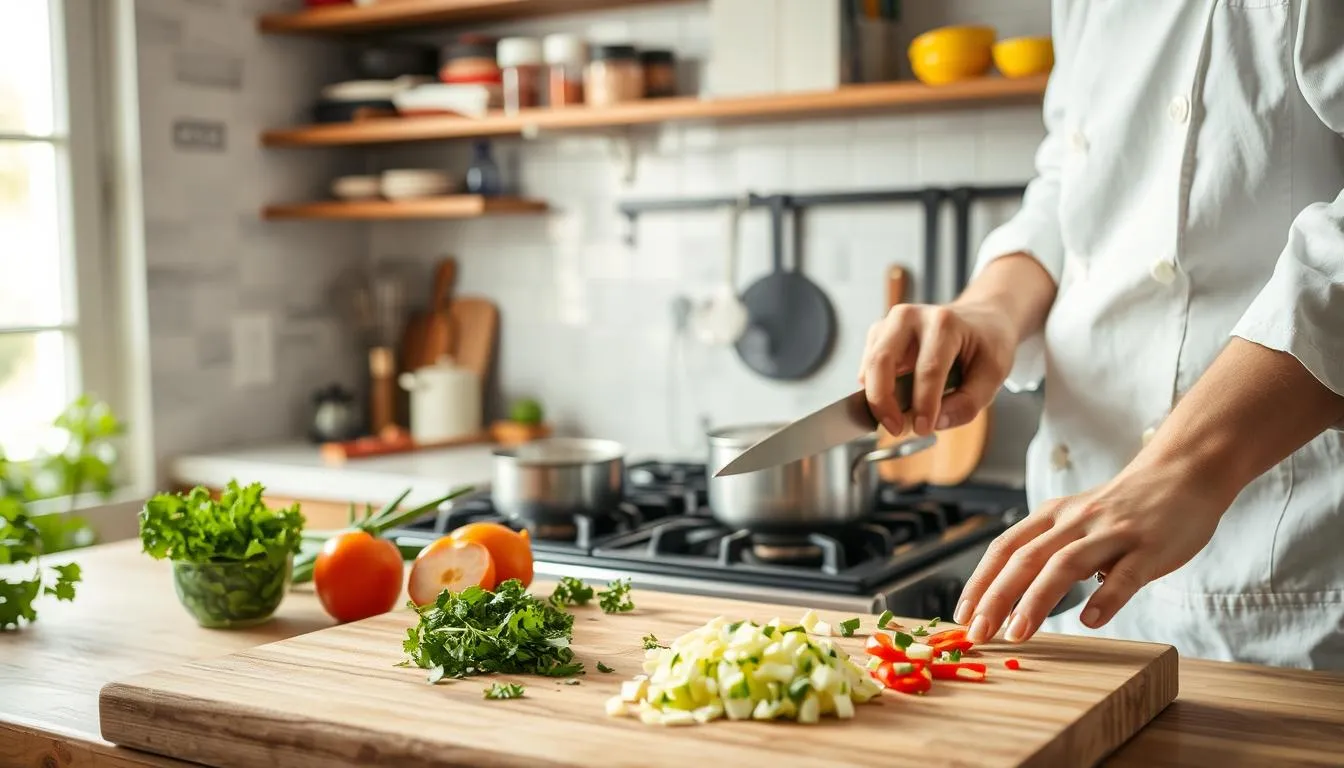
Having the right knife skills is essential for any home chef, as it ensures precision cutting and enhances the overall presentation of your dishes.
Basic Cuts and Their Uses
Basic cuts include chopping, slicing, and dicing. Chopping is used for ingredients that need to be broken down into smaller pieces, like onions for a soup. Slicing is ideal for presenting meat or vegetables in a visually appealing way. Dicing is used for creating uniform pieces that cook evenly, such as vegetables for a stir-fry.
Knife Maintenance and Safety
Maintaining your knives involves regular sharpening and proper storage. Safety tips include keeping your fingers curled under while cutting and using a cutting board that won’t slip.
| Knife Skill | Description | Use Case |
|---|---|---|
| Chopping | Breaking down ingredients into smaller pieces | Preparing onions for soup |
| Slicing | Cutting ingredients into thin, uniform pieces | Presenting meat or vegetables |
| Dicing | Creating uniform cubes for even cooking | Vegetables for a stir-fry |
Effective timing and multitasking are crucial for a smooth cooking process. It’s about creating a workflow that allows you to prepare multiple components of a meal simultaneously.
Creating Efficient Workflows
To create an efficient workflow, start by planning your meal and identifying the steps involved. Prep ingredients in advance, and use downtime during cooking to prepare other components. For more information on organizing your kitchen, you can review our terms of service for kitchen organization tips.
By mastering these essential cooking techniques, you’ll be well on your way to becoming a skilled home chef, capable of preparing a wide range of delicious meals with confidence.
The Comprehensive Food and Drink Guide for Beginners
Starting your culinary adventure requires a solid foundation in simple recipes and pantry staples. As a beginner, it’s essential to understand the basics of cooking and the importance of having the right ingredients.
Starting Your Culinary Journey
The first step in your culinary journey is to start with simple recipes that help build your confidence in the kitchen. These recipes should require minimal ingredients and equipment, making it easy to follow along.
Simple Recipes to Build Confidence
Begin with basic dishes like scrambled eggs, grilled chicken, or pasta. These recipes are great for practicing fundamental cooking techniques such as boiling, steaming, and saut茅ing.
Building Your Pantry
A well-stocked pantry is crucial for any home chef. It provides the foundation for a variety of meals and ensures you’re always prepared.
Essential Spices and Staples
Here are some must-have pantry staples:
| Ingredient | Use |
|---|---|
| Olive Oil | Cooking and dressings |
| Salt | Seasoning |
| Garlic | Flavor enhancer |
| Onions | Flavor base |
| Tomato Sauce | Pasta and pizza |
Selecting the right ingredients is vital for creating delicious meals. Understanding how to choose fresh produce and decode food labels can significantly enhance your cooking.
How to Select Fresh Produce
When shopping for produce, look for items that are firm, have vibrant colors, and show no signs of mold or rot. For example, leafy greens should be crisp and not wilted.
Decoding Food Labels
Understanding food labels can help you make informed choices about the ingredients you buy. Look for terms like “organic,” “non-GMO,” and “free-range” to ensure you’re getting high-quality products.
Exploring Global Cuisines and Flavors
Embarking on a culinary journey around the world opens up a treasure trove of flavors and cooking techniques. As we explore global cuisines, we discover the rich diversity of regional cooking styles and ingredients that define the essence of different cultures.
Understanding Regional Cooking Styles
Regional cooking styles are shaped by local ingredients, cultural traditions, and historical influences. Two prominent examples are the Mediterranean and Asian cuisines.
Mediterranean Essentials
The Mediterranean diet is renowned for its emphasis on fresh vegetables, olive oil, and herbs. Key ingredients include feta cheese, olives, and sun-dried tomatoes, which add depth and flavor to various dishes.
Asian Flavor Principles
Asian cuisine is characterized by its bold flavors and aromatic spices. Soy sauce, ginger, and garlic are staples in many Asian dishes, providing a rich umami taste and fragrance.
Adapting International Recipes
Adapting international recipes to local tastes and ingredients is a great way to explore global cuisines. One of the challenges is finding substitute ingredients when specific items are not available.
Finding Substitute Ingredients
For instance, if a recipe calls for fish sauce but you don’t have it, you can substitute it with a mixture of soy sauce and lime juice. Understanding these substitutions is key to successfully adapting international recipes.
Incorporating Global Ingredients
Building an international pantry is the first step to incorporating global ingredients into your cooking. This involves stocking up on essential items from different cuisines.
Building an International Pantry
Start with basics like olive oil, spices, and grains. As you explore more recipes, you can add more specialized ingredients. For expert advice on culinary innovation, visit Cultural Fusion in Flavour Innovation.
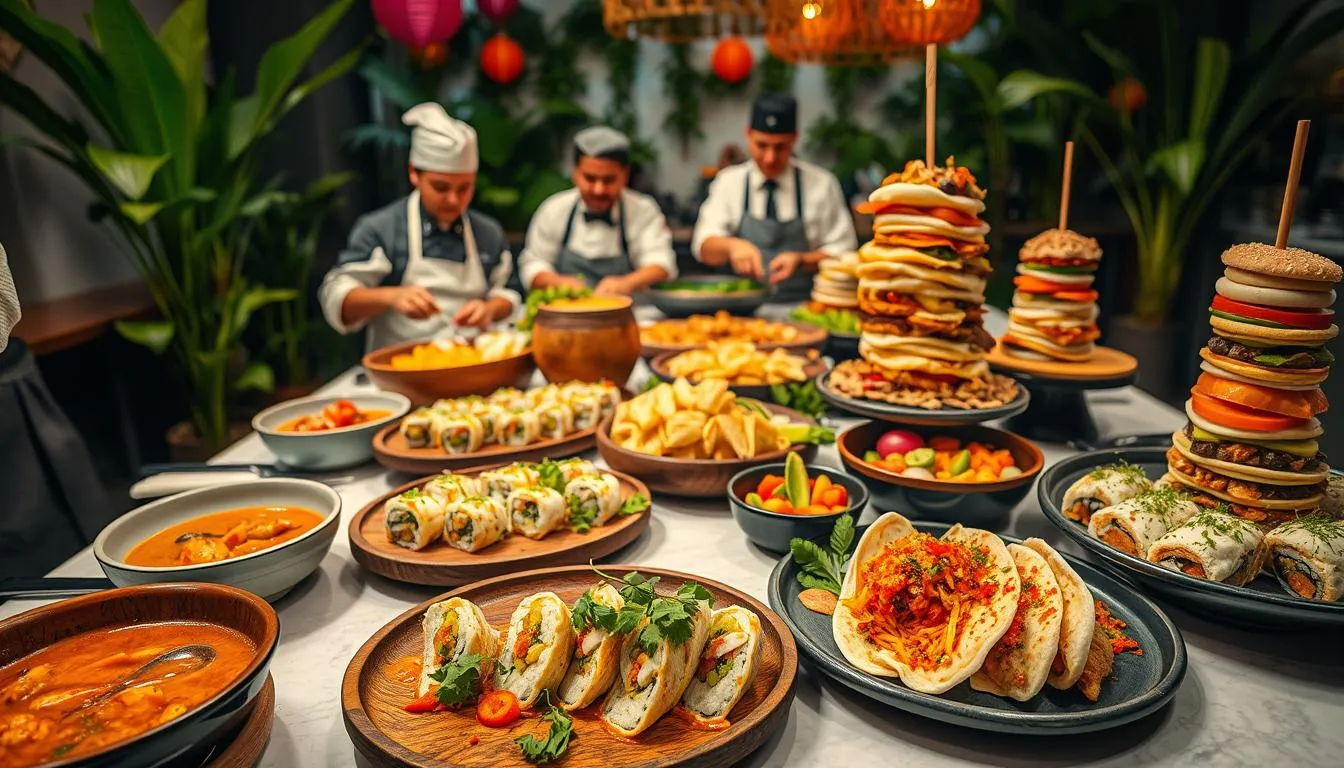 By understanding regional cooking styles and adapting international recipes, you can enrich your culinary repertoire and enjoy a more diverse food and drink guide.
Beverage Mastery: From Coffee to Cocktails
From the rich flavors of coffee to the sophistication of cocktails, beverage mastery is a skill worth acquiring. Whether you’re a coffee aficionado, a wine enthusiast, or a cocktail connoisseur, understanding the nuances of your chosen beverage can elevate your dining experiences.
Coffee Brewing Techniques
Coffee brewing is both an art and a science. The method you choose can significantly impact the flavor of your coffee.
Pour-Over, French Press, and Espresso
Each brewing method offers a unique experience. Pour-over allows for a clean and nuanced extraction, French press provides a rich and full-bodied coffee, and espresso delivers a concentrated shot with a distinctive crema.
Wine Appreciation Basics
Wine appreciation involves understanding the complexities of wine, from tasting notes to the regions they come from.
Tasting Notes and Terminology
Familiarizing yourself with wine terminology can enhance your appreciation. Terms like “oaky,” “crisp,” and “full-bodied” describe the flavors and textures you experience when tasting wine.
Understanding Wine Regions
Different regions produce wines with distinct characteristics. For example, Bordeaux is known for its blends, while Burgundy is famous for its Pinot Noir.
Crafting the Perfect Cocktail
Crafting cocktails is about balance and creativity. It involves selecting the right spirits, mixers, and garnishes to create a harmonious drink.
Essential Bar Tools and Spirits
Having the right tools, such as a shaker and jigger, and a well-stocked bar with essential spirits like gin, vodka, and rum, is crucial for crafting great cocktails. For more inspiration, check out the best cocktail books for recipes and techniques.
Balance in Mixed Drinks
Achieving balance in a cocktail means harmonizing sweet, sour, bitter, and strong flavors. This balance is key to creating a refreshing and enjoyable drink.
| Beverage | Key Characteristics | Best Paired With |
|---|---|---|
| Coffee | Rich, bold flavors | Breakfast, desserts |
| Wine | Varied, from crisp to full-bodied | Meals, cheeses |
| Cocktails | Balanced, refreshing, complex | Social gatherings, appetizers |
Elevate your dining experience by learning the art of pairing food with the perfect drink. The right combination can enhance flavors, textures, and overall enjoyment of a meal. Whether you’re a wine aficionado, a beer enthusiast, or prefer non-alcoholic beverages, understanding the principles of food and drink pairing can take your culinary skills to the next level.
Wine and Food Combinations
Wine pairing is an art that involves balancing the characteristics of wine with the flavors and textures of food. A well-paired wine can complement or contrast with the dish, creating a harmonious culinary experience.
Classic Pairings That Always Work
Some classic wine pairings are timeless. For instance, Chardonnay pairs well with roasted chicken, while Cabernet Sauvignon complements red meat. These pairings work because the wine’s acidity and tannins balance the richness of the food.
“The right wine can elevate a dish from good to great, and the right food can do the same for the wine.” -
Wine Expert
Beer and Food Matching
Beer pairing is another exciting realm where the beer’s flavor profile can either complement or contrast with the food. The key is to understand the beer’s characteristics and match them with appropriate dishes.
Complementing vs. Contrasting Flavors
When pairing beer with food, you can either complement the flavors or contrast them. For example, a hoppy IPA can cut through the richness of fatty foods, while a malty, caramel-flavored beer can complement sweet or savory dishes.
Non-Alcoholic Pairing Principles
Pairing non-alcoholic beverages with food is just as important, especially for those who prefer or need to avoid alcohol. The principles remain similar: balance and harmony between the drink and the dish.
Creating Sophisticated Alcohol-Free Experiences
To create sophisticated alcohol-free experiences, consider pairing fresh juices or artisanal sodas with your meals. For instance, a citrus-based juice can cut through rich flavors, while a ginger ale can complement spicy dishes.
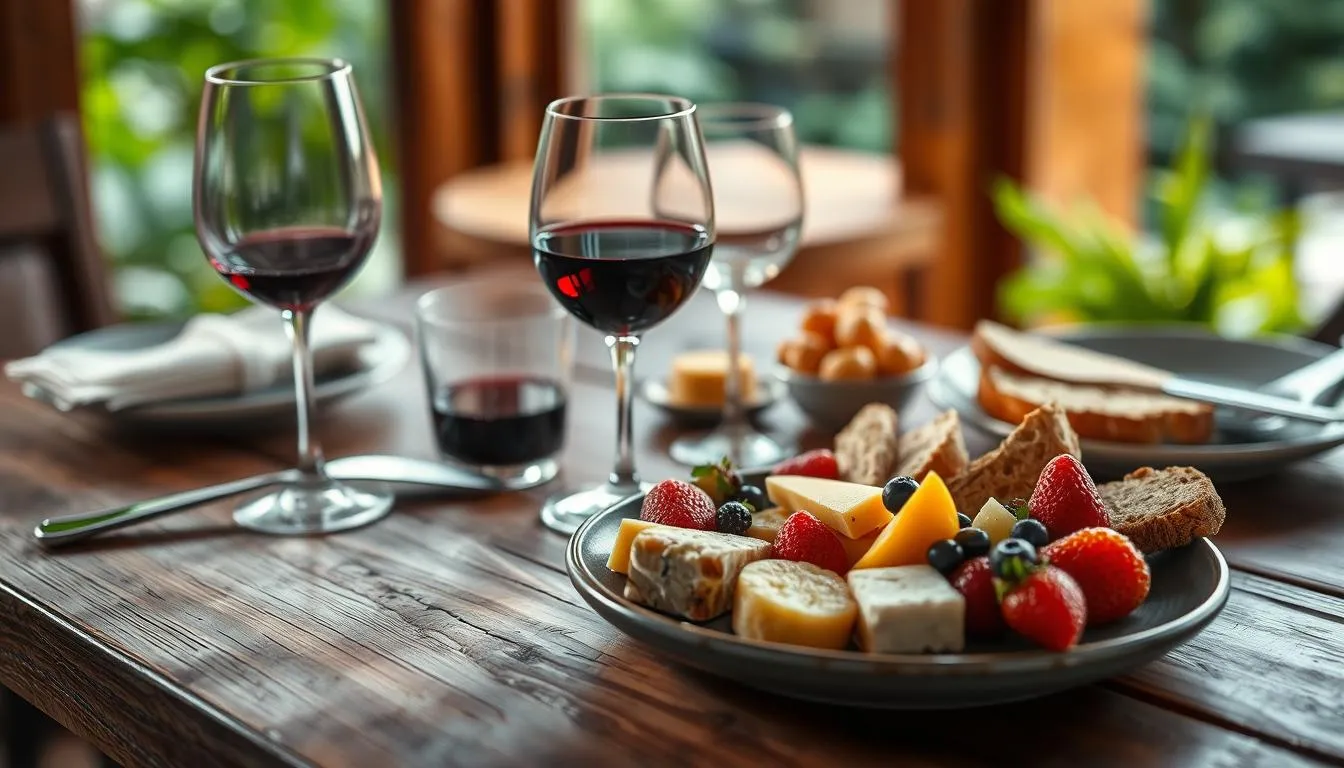 By mastering the art of food and drink pairing, you can elevate your dining experiences and create memorable moments for yourself and your guests.
Nutrition and Dietary Considerations in Your Food Journey
Embarking on a culinary journey requires not only mastering flavors but also understanding the nutritional value of the dishes we create. As we cook and experiment with various ingredients, it’s crucial to strike a balance between flavor and nutrition.
Balancing Flavor and Nutrition
Achieving a balance between flavor and nutrition is fundamental to healthy cooking. This involves selecting ingredients that are not only rich in nutrients but also contribute to the overall taste of the dish.
Healthy Cooking Techniques
Employing healthy cooking techniques such as steaming, grilling, and roasting can help retain the nutritional value of food. These methods allow for the preparation of flavorful meals without compromising on health benefits.
Adapting Recipes for Dietary Needs
With the increasing prevalence of dietary restrictions, adapting recipes to suit various needs has become essential. This includes creating gluten-free, dairy-free, and plant-based versions of popular dishes.
Gluten-Free, Dairy-Free, and Plant-Based Options
For individuals with gluten intolerance, dairy allergies, or those following a plant-based diet, there are numerous alternatives available. Substituting gluten-containing flours with gluten-free options and using plant-based milk are simple ways to adapt recipes.
Mindful Eating Practices
Mindful eating is about more than just the food on our plates; it’s an experience that involves appreciating the effort that goes into preparing a meal.
Appreciating Food Beyond Taste
Appreciating food beyond its taste involves understanding the nutritional benefits, the effort that goes into its preparation, and the company with whom we share it. This holistic approach to eating enhances our overall dining experience.
Entertaining with Style: Hosting Memorable Gatherings
Hosting a gathering that leaves a lasting impression requires more than just good food; it demands style, planning, and attention to detail. Whether you’re hosting an intimate dinner party or a grand celebration, the key to success lies in the details.
Planning the Perfect Menu
Creating a menu that impresses your guests involves more than just selecting your favorite dishes. It’s about balancing complexity and preparation time to ensure that you’re not overwhelmed in the kitchen.
Balancing Complexity and Preparation Time
When planning your menu, consider dishes that can be prepared ahead of time to reduce stress on the day of your event. Choose recipes that complement each other in terms of flavor and texture, and don’t be afraid to keep things simple with a few well-executed courses.
Table Setting and Presentation
The way you present your meal can elevate the dining experience. Plating techniques play a crucial role in visual appeal, making even the simplest dishes look appetizing.
Plating Techniques for Visual Appeal
Use garnishes, colors, and creative arrangements to make your dishes visually appealing. Consider the theme of your gathering and let it guide your plating style.
Timing Your Meal Service
Managing multiple courses requires careful planning to keep the evening flowing smoothly. Ensure that each course is served at the right time, and that your guests have enough time to enjoy each dish without feeling rushed.
Managing Multiple Courses
Coordinate the timing of your courses with the pace of your guests’ meal. Allow for conversation and enjoyment between courses, and be prepared to adjust your timing as needed.
By focusing on these key areas, you’ll be well on your way to hosting gatherings that are not only memorable but also truly special. With expert advice and a bit of planning, you can create an unforgettable experience for your guests, making your event a standout in their minds.
Advanced Techniques for the Culinary Enthusiast
Advanced cooking techniques can transform the way you prepare and enjoy food. For culinary enthusiasts looking to expand their skills, exploring new methods can be both exciting and rewarding.
Molecular Gastronomy Basics
Molecular gastronomy involves applying scientific principles to cooking. This technique allows chefs to create innovative dishes.
Foams, Gels, and Spherification
Techniques like foams, gels, and spherification add unique textures to dishes. For example, spherification can turn liquids into bite-sized balls, enhancing presentation and flavor.
Fermentation and Pickling
Fermentation and pickling are ancient techniques that create complex flavors. Fermentation involves microorganisms breaking down food, while pickling uses brine or vinegar.
Creating Complex Flavors Through Time
These methods allow flavors to develop over time, resulting in rich, tangy, and umami tastes. As noted by chefs, “Fermentation is an art that requires patience and practice.” For more insights, visit secrets chefs won’t tell you.
Sous Vide and Modern Cooking Methods
Sous vide cooking involves sealing food in airtight bags and cooking it in a water bath at precise temperatures. This method ensures consistent results.
Temperature Control for Perfect Results
Temperature control is crucial in sous vide cooking. It allows for precise doneness, from rare to well-done, without overcooking.
| Cooking Method | Description | Benefits |
|---|---|---|
| Molecular Gastronomy | Applying science to cooking | Innovative dishes, unique textures |
| Fermentation/Pickling | Using microorganisms or brine | Complex flavors, preservation |
| Sous Vide | Cooking in a water bath | Precise doneness, consistency |
Mastering the art of food and drink is a lifelong journey, filled with exploration, creativity, and joy. Throughout this comprehensive food and drink guide, we’ve explored the fundamentals of culinary excellence, essential cooking techniques, and expert advice on beverage mastery and food pairing.
As you’ve discovered, implementing healthy food and drink policies in public sector workplaces is crucial, with studies showing that a ratified policy serves as the foundation for successful implementation. By understanding the challenges and facilitators, such as stakeholder relationships and customer demand, you can create a positive impact. For more insights, visit the National Center for Biotechnology Information to explore research on workplace wellness initiatives.
Continue to refine your skills, experiment with new recipes, and explore global cuisines. With persistence and practice, you’ll become a culinary expert, capable of creating memorable dining experiences. Our expert advice and guidance have equipped you with the tools necessary to succeed on your culinary journey.
FAQ
What are the essential cooking techniques every home chef should know?
Mastering heat control, knife skills for precision cutting, and timing and multitasking in the kitchen are some of the essential cooking techniques. This includes saut茅ing, roasting, braising, and understanding when to use high vs. low heat, as well as creating efficient workflows.
How do I start my culinary journey as a beginner?
Starting your culinary journey involves simple recipes to build confidence, building a well-stocked pantry with essential spices and staples, and understanding ingredient quality by selecting fresh produce and decoding food labels. These steps will help you establish a strong foundation in cooking.
What are some tips for adapting international recipes?
Adapting international recipes involves understanding regional cooking styles and their characteristic ingredients, finding substitute ingredients when necessary, and incorporating global ingredients into your cooking. Building an international pantry is also crucial for exploring global cuisines.
How can I improve my beverage pairing skills?
Improving beverage pairing skills involves understanding wine and food combinations, beer and food matching, and non-alcoholic pairing principles. Learning about classic pairings, complementing vs. contrasting flavors, and creating sophisticated alcohol-free experiences can elevate your entertaining and dining experiences.
What are some healthy cooking techniques to balance flavor and nutrition?
Healthy cooking techniques include methods that preserve nutrients and enhance flavor, such as grilling, roasting, and stir-frying. Understanding how to adapt recipes for various dietary needs, including gluten-free, dairy-free, and plant-based options, is also important for balancing flavor and nutrition.
How can I host memorable gatherings with style?
Hosting memorable gatherings involves planning the perfect menu by balancing complexity and preparation time, setting the table with visually appealing presentation, and timing your meal service to manage multiple courses efficiently. These elements will help create a sophisticated and enjoyable dining experience for your guests.
What are some advanced cooking techniques for culinary enthusiasts?
Advanced cooking techniques include molecular gastronomy basics like foams, gels, and spherification, fermentation and pickling to create complex flavors, and sous vide and modern cooking methods that rely on precise temperature control. These techniques can help culinary enthusiasts innovate and refine their cooking skills.