How to Plan Your First Solo Travel Adventure
Embarking on a solo travel adventure can be a life-changing experience that fosters personal growth and independence. Many travelers find that journeying alone allows them to discover new aspects of themselves and the world around them.

18 min read
Embarking on a solo travel adventure can be a life-changing experience, offering a unique opportunity for self-discovery and exploration. Planning is key to a successful and enjoyable journey.
As you prepare for your first solo trip, you’ll want to consider several factors, including destination, safety, and itinerary. Effective planning will help you make the most of your time and create unforgettable memories.
This guide will walk you through the essential steps of solo travel planning, ensuring that you’re well-prepared for an incredible adventure.
Key Takeaways
- Understand the importance of planning for a solo travel adventure
- Learn how to choose a safe and suitable destination
- Discover tips for creating an effective itinerary
- Find out how to stay connected and safe while traveling solo
- Get insights into budgeting and financial planning for solo travel
Why Solo Travel Is Worth the Leap
Embarking on a solo travel adventure can be a life-changing experience that fosters personal growth and independence. Many travelers find that journeying alone allows them to discover new aspects of themselves and the world around them.
Benefits of Traveling Alone
Traveling solo offers numerous benefits, including:
- Increased independence and self-reliance
- Opportunities for self-discovery and personal growth
- Flexibility to create your own itinerary and make spontaneous decisions
- The chance to meet new people and form meaningful connections
As noted by travelers who have taken the plunge, solo travel can be a transformative experience. For instance, visiting sites that share personal anecdotes can provide valuable insights and inspiration for your own journey.
Common Fears and How to Overcome Them
Despite the many benefits, solo travel can also evoke fears and concerns. Common apprehensions include safety issues, loneliness, and navigating unfamiliar places. To overcome these fears, it’s essential to:
- Research your destination thoroughly
- Stay connected with family and friends back home
- Join group tours or stay in social hostels to meet other travelers
By understanding the benefits and addressing common fears, you can confidently take the leap into solo travel and enjoy a rewarding adventure.
Choosing the Perfect Destination for First-Time Solo Travelers
As a first-time solo traveler, choosing a destination that is both safe and welcoming is paramount. The world is full of exciting places to explore, but some are more suited to solo travelers than others.
Beginner-Friendly Countries and Cities
For those new to solo travel, countries like Ireland, New Zealand, and Canada are often recommended due to their friendly locals and well-trodden tourist paths. Cities such as Dublin, Auckland, and Toronto offer a mix of culture, history, and entertainment that cater to solo travelers. As noted by travel experts, ”
These destinations provide a great balance of safety, accessibility, and social opportunities for solo travelers.
”
For more adventurous souls, destinations like Thailand and Spain offer vibrant cultures and affordable travel options, making them ideal for meeting other travelers.
Factors to Consider When Selecting Your Destination
When choosing your first solo travel destination, several factors come into play. Consider the local culture and customs, language barriers, and the overall safety of the area. It’s also worth thinking about the type of activities and experiences you’re looking for. Whether you’re interested in outdoor adventures, cultural explorations, or simply relaxing on a beach, your destination should align with your interests.
Places to Avoid for Your First Solo Trip
While there’s a wealth of amazing destinations around the world, some places may be challenging for first-time solo travelers. Areas with high crime rates, political instability, or health concerns are generally best avoided. Researching your destination thoroughly and staying informed about local conditions can help you make an informed decision.
Setting a Realistic Budget for Your Adventure
One of the most crucial aspects of solo travel is setting a realistic budget. A well-planned budget helps you stay financially secure while enjoying your adventure.
Estimating Transportation, Accommodation, and Daily Costs
To create a realistic budget, start by estimating your major expenses: transportation, accommodation, and daily costs. Research your destination to determine average costs for flights, trains, or other transportation methods. For accommodation, consider hostels, budget hotels, or Airbnb options. Daily costs include food, entrance fees, and miscellaneous expenses.
| Expense | Average Cost |
|---|---|
| Transportation | $200-$500 |
| Accommodation (per night) | $20-$50 |
| Daily Expenses | $30-$60 |
Solo travelers can adopt several money-saving strategies. Consider traveling during the off-season, using public transportation, and staying in budget accommodations. Cooking your own meals instead of eating out can also significantly reduce expenses.
“Traveling on a budget doesn’t mean you have to miss out on experiences. It’s about being mindful of your spending and making smart choices.” -
Travel Expert
Creating a Financial Safety Net
A financial safety net is crucial for solo travelers. Consider setting aside an emergency fund to cover unexpected expenses. Additionally, look into travel insurance options that can provide financial protection against trip cancellations, medical emergencies, and other unforeseen events.
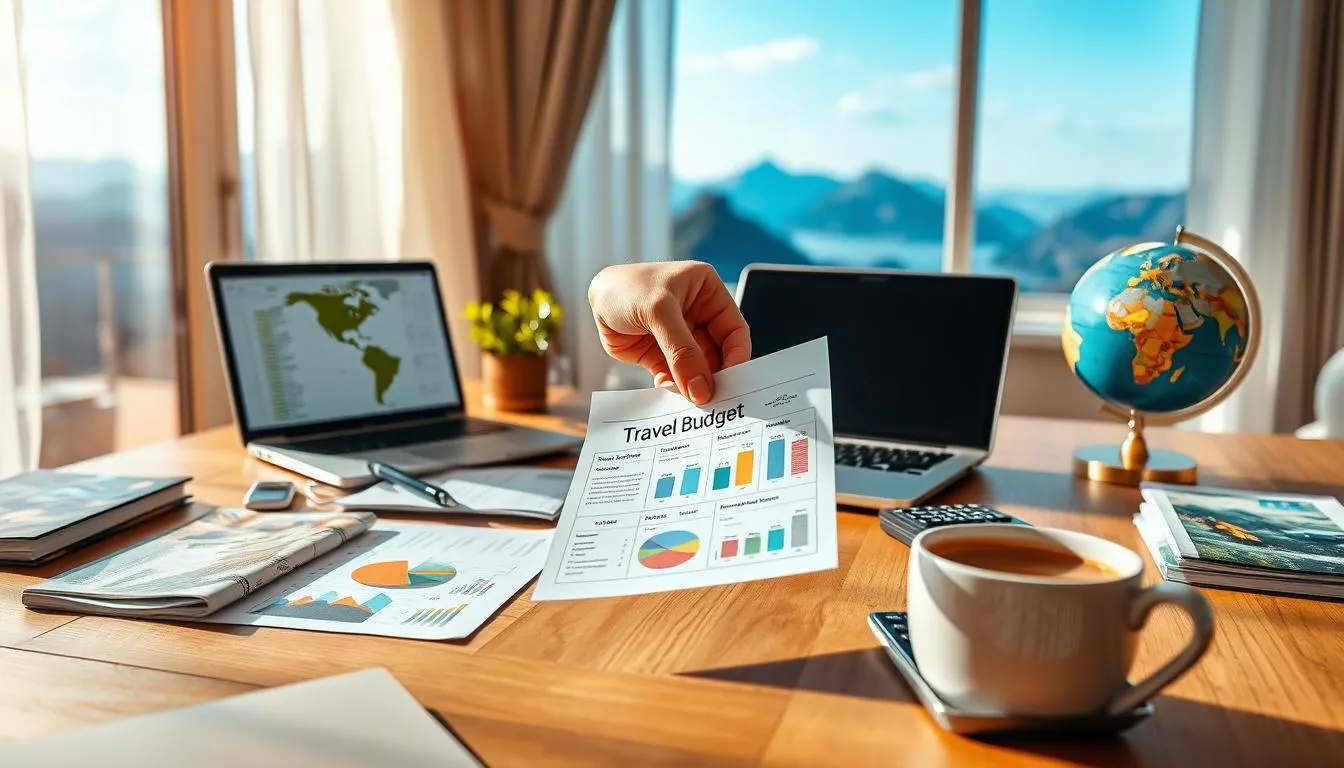 By carefully estimating costs, adopting money-saving strategies, and creating a financial safety net, solo travelers can enjoy their adventures with peace of mind.
How to Plan Solo Travel: A Step-by-Step Timeline
To ensure a smooth and enjoyable solo travel experience, it’s essential to plan ahead with a clear timeline. Breaking down the planning process into manageable chunks will help you stay organized and focused.
6 Months Before: Research and Big Bookings
Start by researching potential destinations and identifying the best places for solo travelers. Make big bookings such as flights and accommodations to secure the best rates. This is also a good time to start thinking about your itinerary and what activities you want to prioritize.
3 Months Before: Logistics and Learning
At this stage, focus on the logistics of your trip. Research transportation options, local customs, and any necessary vaccinations. You can also start learning a few key phrases in the local language to enhance your experience.
1 Month Before: Finalizing Details
A month before your trip, finalize your itinerary, book any remaining tours or activities, and notify your bank of your travel plans. This is also a good time to check the weather forecast and pack accordingly.
1 Week Before: Final Preparations
In the week leading up to your trip, double-check your documents, pack essential items, and make digital copies of important documents. Make sure you have a plan in place for emergencies and that you’re comfortable with your itinerary.
By following this step-by-step timeline, you’ll be well-prepared for your solo travel adventure, allowing you to focus on enjoying the journey.
Essential Documentation and Legal Requirements
Solo travel requires meticulous preparation, starting with understanding the essential documentation and legal requirements. Ensuring you have the correct documents is crucial for a smooth and enjoyable journey.
Passport, Visa, and Entry Requirements
The first step is to check your passport’s validity. Many countries require it to be valid for at least six months beyond your planned departure date. Next, research the visa requirements for your destination. Some countries offer visa-free travel or visa on arrival, while others require you to apply in advance. For the most up-to-date information, visit the official government website of your destination country or consult with their embassy or consulate. As Julia Forbes, a seasoned traveler, once said,
“Understanding visa requirements can save you from last-minute surprises.”
Travel Insurance for Solo Adventurers
Travel insurance is a vital consideration for solo travelers. It provides coverage for unexpected medical emergencies, trip cancellations, and lost luggage. When selecting a policy, look for one that specifically caters to solo travelers and covers adventure activities if applicable. For more tips on planning your solo travel, check out additional travel tips.
Digital and Physical Copies of Important Documents
It’s wise to make both digital and physical copies of your important documents, such as your passport, visa, travel insurance, and driver’s license. Leave a copy with a trusted friend or family member back home and carry a digital copy with you. This ensures that you can access these documents in case of an emergency. As Mark Twain once said,
“The secret of getting ahead is getting started.”
In this case, getting started means being prepared with all your documents in order.
By taking care of these essential documentation and legal requirements, you can embark on your solo travel adventure with confidence and peace of mind.
Solo Travel Safety Tips That Actually Work
As you prepare for your first solo travel adventure, understanding and implementing effective safety measures is crucial. Solo travel can be a life-changing experience, but it’s essential to be aware of the potential risks and take steps to mitigate them.
Pre-Trip Safety Research and Preparation
Before you leave, research your destination thoroughly. Understand the local culture, customs, and laws to avoid unintended offenses. Check the official government travel advisories for your destination and register with your country’s travel advisory program if available.
- Research local customs and dress codes
- Understand local laws and regulations
- Check government travel advisories
- Register with your country’s travel advisory program
Daily Safety Routines While Traveling
Staying safe while traveling solo requires a mix of awareness, planning, and instinct. Keep your belongings secure, be mindful of your surroundings, and avoid traveling alone at night when possible.
- Keep your hotel room door locked and use the hotel safe
- Be aware of your surroundings and keep an eye on your belongings
- Avoid displaying signs of wealth (e.g., expensive jewelry or watches)
Digital Security and Protecting Your Information
In today’s digital age, protecting your personal information is as important as physical safety. Use secure networks, keep your devices and software up to date, and be cautious with the information you share online.
Use a VPN (Virtual Private Network) when accessing public Wi-Fi networks to encrypt your internet traffic. Regularly update your devices and software to protect against known vulnerabilities.
Trusting Your Intuition: When to Walk Away
One of the most critical safety tips for solo travelers is learning to trust your intuition. If a situation feels off or you’re uncomfortable, it’s okay to walk away or seek help.
“Trust your instincts. If you feel unsafe or uncomfortable, remove yourself from the situation.”
Packing Smart for Independent Travel
Solo travel packing is an art that balances between carrying essentials and traveling light. Mastering this balance is crucial for a smooth and enjoyable journey.
The Essential Solo Travel Packing List
When packing for solo travel, it’s essential to include items that serve multiple purposes. Some of the must-haves include:
- A versatile clothing palette that can be mixed and matched
- A portable charger to keep your devices powered up
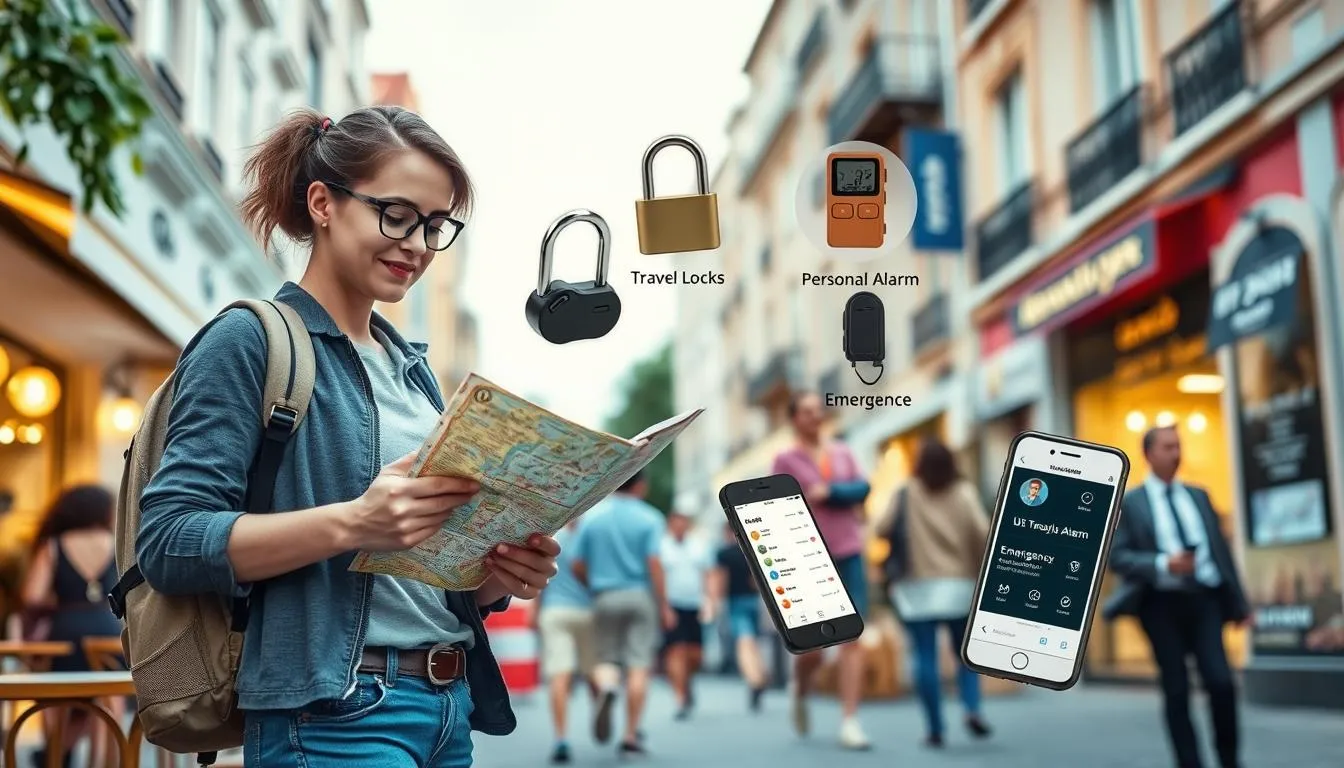
- A money belt for securing your valuables
- A compact first-aid kit
Balancing Light Packing with Preparedness
To strike the right balance, consider the activities you plan to do and the climate of your destination. Packing lightly doesn’t mean being unprepared. For more tips on successful solo travel, check out this guide.
Tech and Gear That Makes Solo Travel Easier
Investing in the right tech and gear can significantly enhance your solo travel experience. Consider bringing a portable Wi-Fi hotspot for staying connected or a personal safety device for added security.
Finding and Booking Solo-Friendly Accommodation
When traveling alone, finding the right place to stay can make all the difference in your experience. The accommodation you choose can significantly impact your safety, comfort, and overall enjoyment of your trip.
Hostels, Hotels, and Alternative Options Compared
Solo travelers have a variety of accommodation options to choose from, each with its pros and cons. Hostels are a popular choice, offering a social atmosphere and opportunities to meet other travelers. Hotels provide more privacy and a range of amenities. Alternative options like Airbnb and guesthouses can offer a more local experience.
- Hostels: Social, budget-friendly, and great for meeting others.
- Hotels: Private, often with more amenities, and a range of price options.
- Airbnb: Can be more local, flexible, and sometimes cheaper.
What to Look for in Reviews and Descriptions
When booking, it’s crucial to read reviews and descriptions carefully. Look for mentions of safety, cleanliness, and location. Pay attention to how the accommodation is described in terms of its atmosphere and the services it offers.
Neighborhood Safety and Accessibility Considerations
The neighborhood your accommodation is in can greatly affect your experience. Research the area to ensure it’s safe and accessible. Consider proximity to public transportation and local attractions.
Transportation Strategies for Solo Explorers
As a solo traveler, mastering transportation in foreign countries is key to a stress-free adventure. Understanding the local transit systems and being prepared can make all the difference.
Navigating Public Transportation
Navigating public transportation in a foreign country can be intimidating, but it’s often the most affordable and authentic way to experience local culture. Researching the transit system before arrival can save a lot of hassle. Many cities have apps or websites that provide detailed information on routes and schedules. For instance, Tokyo’s public transportation system is renowned for its efficiency and complexity, making it a great example to prepare for.
When to Splurge on Private Transport
While public transportation is convenient, there are times when splurging on private transport is the safer option, especially at night or in areas known for tourist scams. Using reputable taxi services or ride-sharing apps like Uber or Lyft can provide an added layer of security. It’s also worth considering the convenience of private transfers for long distances or when traveling with bulky luggage.
Apps and Tools for Stress-Free Navigation
In today’s digital age, numerous apps and tools can make navigating foreign transportation systems stress-free. Google Maps is indispensable for understanding local transit options, while apps like Rome2rio provide comprehensive information on various travel options between cities. Additionally, local transit apps can offer real-time updates and route planning, making solo travel much more manageable.
By combining these strategies, solo travelers can navigate foreign countries with confidence and ease, making their travel experience more enjoyable and stress-free.
“The world is a book, and those who do not travel read only one page.” - Saint Augustine
Creating Your Daily Itinerary as a Solo Traveler
Creating a daily itinerary for solo travel involves finding a sweet spot between structure and spontaneity, allowing for a fulfilling experience. As a solo traveler, having a plan can help you make the most of your trip while still leaving room for unexpected adventures.
Balancing Structure and Spontaneity
A well-balanced itinerary should include a mix of planned activities and free time. Consider allocating your mornings to structured activities like guided tours or visiting popular landmarks, and reserve your afternoons for relaxation or spontaneous exploration.
Solo-Friendly Activities and Experiences
Engage in activities that are conducive to solo travel, such as visiting local markets, taking cooking classes, or joining group tours. These experiences not only provide opportunities to meet other travelers but also enrich your travel experience.
Managing Mealtimes and Evening Activities Alone
Dining alone can be intimidating, but it’s also a chance to try local cuisine without compromise. Consider sitting at a counter or dining at popular local eateries where you can easily strike up conversations with fellow diners or the staff.
| Activity | Time | Location |
|---|---|---|
| Guided City Tour | 9:00 AM | City Center |
| Local Cooking Class | 2:00 PM | Local Market |
| Dinner | 7:00 PM | Recommended Eatery |
Combating Loneliness: Building Connections on the Road
Traveling solo doesn’t have to mean feeling alone; there are numerous ways to connect with others and enrich your travel experience. Whether you’re looking to make new friends or simply feel more connected, there are strategies to combat loneliness.
Meeting Other Travelers Through Tours and Hostels
One of the best ways to meet fellow travelers is by joining group tours or staying in hostels. These environments are conducive to making new connections. Many hostels organize events or tours specifically designed for solo travelers.
- Group tours offer a structured way to explore new destinations with like-minded individuals.
- Hostels provide communal spaces where you can easily meet other travelers.
Apps and Platforms for Connecting with Locals
Connecting with locals can offer a more authentic experience. There are several apps and platforms designed to facilitate these connections.
Some popular options include:
- Meetup: For finding local groups and events.
- Couchsurfing: While primarily a hosting service, it’s also a great way to meet locals.
Embracing Solitude: The Art of Enjoying Your Own Company
Learning to enjoy your own company is a valuable skill. Embracing solitude can lead to personal growth and a deeper appreciation for your travels.
Take time to reflect on your experiences and enjoy the quiet moments.
Conclusion: Returning Home and Reflecting on Your Solo Journey
As you conclude your solo travel adventure and begin returning home, take a moment to reflect on the journey. Think about the experiences you’ve had, the people you’ve met, and the lessons you’ve learned along the way. Solo travel is not just about the places you visit, but also about the personal growth and self-discovery that occurs during your time on the road.
Embracing the freedom of solo car camping, as highlighted in resources like Lunolife’s guide, can be a transformative experience. As you settle back into your routine, consider how your travels have shaped you and the confidence you’ve gained. Reflecting on solo travel experiences can help you integrate the lessons learned into your daily life, enriching your perspective and broadening your horizons.
Returning home doesn’t mean the end of your adventure; it’s a new beginning. The memories, skills, and insights gained during your solo journey will stay with you, influencing your future travels and life choices.
FAQ
What are the best destinations for solo travel beginners?
Beginner-friendly destinations for solo travel include countries like Portugal, New Zealand, and Iceland, known for their safety, welcoming cultures, and ease of navigation. Cities like Tokyo, Barcelona, and Sydney are also popular among solo travelers due to their vibrant atmospheres and tourist-friendly infrastructure.
How do I stay safe while traveling solo?
To stay safe while traveling solo, it’s essential to conduct thorough research on your destination, stay informed about local customs and potential hazards, and remain aware of your surroundings. Additionally, keeping in touch with family and friends back home, using reputable transportation services, and being cautious with personal belongings can enhance your safety.
What are some tips for planning a solo trip on a budget?
Planning a solo trip on a budget involves several strategies, including booking accommodations and flights well in advance, opting for budget-friendly destinations, and using cost-effective transportation options like public transport. Additionally, considering off-season travel, cooking your own meals, and avoiding touristy areas for dining can help save money.
How do I deal with loneliness while traveling solo?
Dealing with loneliness while traveling solo can be managed by staying connected with loved ones back home, joining group tours or hostel activities to meet fellow travelers, and engaging with local cultures through events or language exchange programs. Embracing solitude and finding joy in your own company can also be a rewarding aspect of solo travel.
What are the essential documents I need for solo travel?
Essential documents for solo travel include a valid passport, any required visas for your destination, travel insurance documents, and photocopies of important documents like your driver’s license and health insurance card. It’s also wise to leave digital copies of these documents with a trusted friend or family member back home.
How can I stay connected with family and friends while traveling solo?
Staying connected with family and friends while traveling solo can be achieved through regular updates via phone calls, emails, or social media. Investing in a portable Wi-Fi hotspot or purchasing a local SIM card can facilitate communication. Additionally, letting someone know your itinerary and checking in periodically can provide peace of mind for both you and your loved ones.
What are some solo travel tips for beginners?
For beginners, starting with destinations that have a strong tourist infrastructure, being open to new experiences, and staying flexible are key. It’s also beneficial to research thoroughly, plan ahead, and remain aware of your surroundings. Connecting with other travelers and locals can enhance your experience and provide valuable insights.