Step-by-Step Guide to Capturing Travel Photography
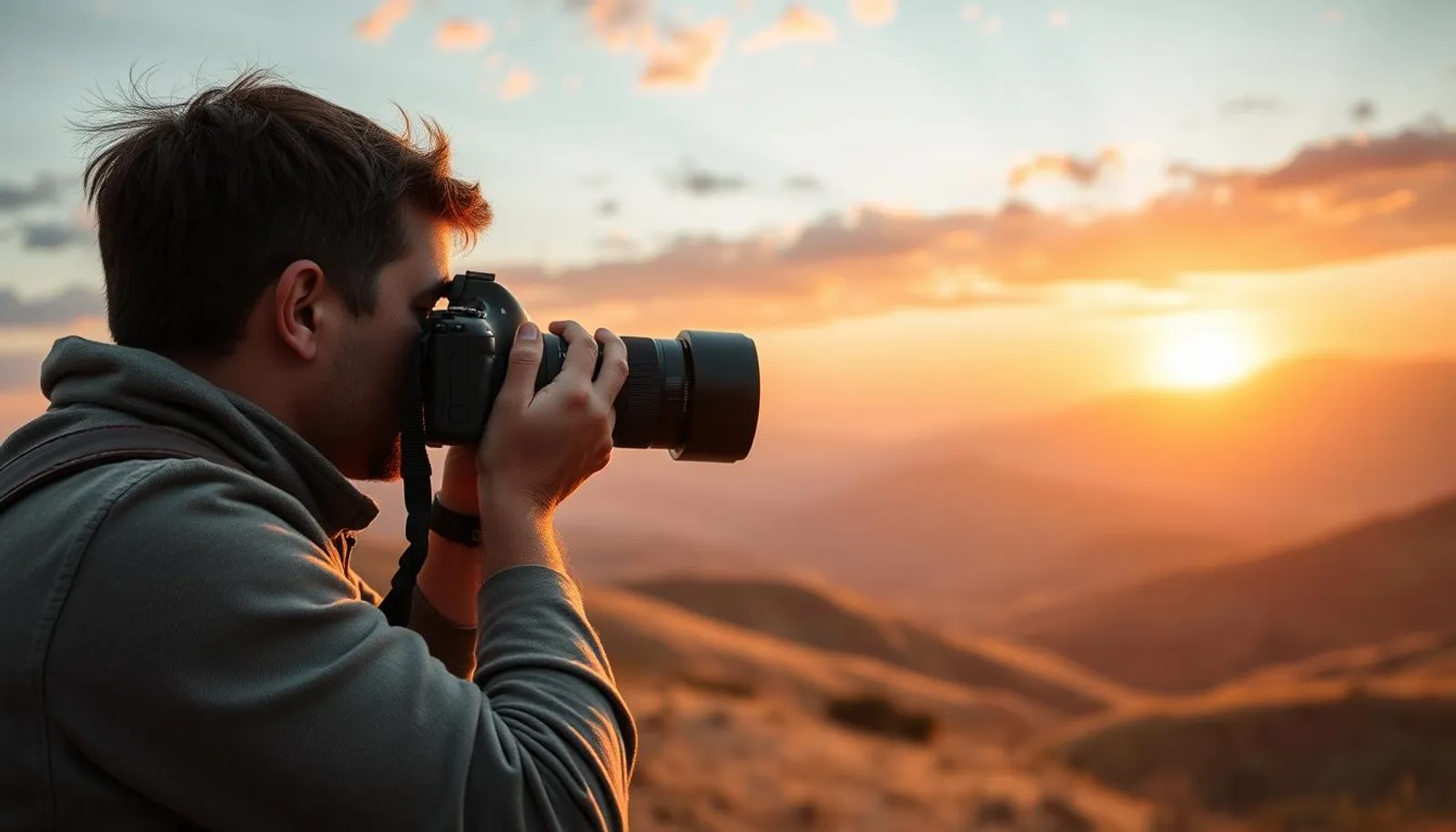
Travel photography is a unique blend of art and documentation, allowing photographers to capture the essence of their journeys. It's a way to preserve memories, tell stories, and convey the beauty of different cultures and landscapes.

18 min read
Capturing the essence of a place through a lens is an art that requires patience, practice, and a keen eye. Travel photography is not just about snapping pictures; it’s about telling a story, conveying the culture, and capturing the beauty of a destination. Whether you’re a seasoned photographer or an enthusiastic traveler, having a photography guide for travelers can make all the difference in elevating your photos from ordinary to extraordinary.
For those looking to improve their skills, understanding the basics of travel photography is essential. This guide will walk you through the steps to capture stunning images that will leave a lasting impression.
Key Takeaways
- Understand the importance of lighting in travel photography
- Learn how to compose a shot to tell a story
- Discover the essential gear for travel photography
- Master the art of capturing culture and beauty
- Improve your skills with practical tips and techniques
The Art and Purpose of Travel Photography
Travel photography is a unique blend of art and documentation, allowing photographers to capture the essence of their journeys. It’s a way to preserve memories, tell stories, and convey the beauty of different cultures and landscapes.
Documenting Memories vs. Creating Art
Travel photography serves two primary purposes: documenting memories and creating art. While some photographers focus on capturing the best travel photography techniques to preserve their travel experiences, others aim to create visually stunning images that stand on their own as art.
Documenting memories involves taking photos that remind you of the places you’ve been and the experiences you’ve had. On the other hand, creating art requires a more thoughtful approach, considering composition, lighting, and other factors to produce captivating images.
Setting Personal Photography Goals
To enhance your travel photography experience, it’s helpful to set personal photography goals. These could include mastering specific travel photography techniques, such as capturing the golden hour or experimenting with different angles.
By setting goals, you can focus your efforts and improve your skills, making your travels more rewarding. Consider what you want to achieve with your photography and plan accordingly to make the most of your trips.
Essential Travel Photography Tips for Beginners
As you set out on your travel photography adventure, mastering the basics of your camera is crucial. Whether you’re using a DSLR, mirrorless, or even a high-end smartphone, understanding your equipment is the first step to capturing stunning travel photos.
Understanding Your Camera
Take time to familiarize yourself with your camera’s settings and modes. Most cameras have a guide mode or menu that explains different settings. Experiment with these settings to understand what they do. For instance, aperture priority mode allows you to control the depth of field, while shutter priority mode helps you capture motion or create artistic blur.
Basic Settings for Different Scenarios
Different environments require different camera settings. For landscapes, a smaller aperture (higher f-stop number) is often preferred to keep more of the image in focus. For portraits, a larger aperture (lower f-stop number) can help separate your subject from the background. Check out 10 travel photography tips for more detailed advice on handling various scenarios.
| Scenario | Recommended Setting | Effect |
|---|---|---|
| Landscape | Aperture Priority (f/8-f/11) | More in focus |
| Portrait | Aperture Priority (f/1.4-f/2.8) | Subject stands out |
| Action/Motion | Shutter Priority (1/500s or faster) | Freezes motion |
One common mistake beginners make is not paying attention to the background. A cluttered or distracting background can ruin an otherwise great photo. Take a moment to adjust your composition to eliminate or minimize distractions. Another mistake is not using the camera’s built-in features like exposure compensation to adjust for challenging lighting conditions.
By understanding your camera, adjusting settings for different scenarios, and avoiding common mistakes, you’ll significantly improve your travel photography skills. Happy snapping!
Selecting the Right Photography Gear
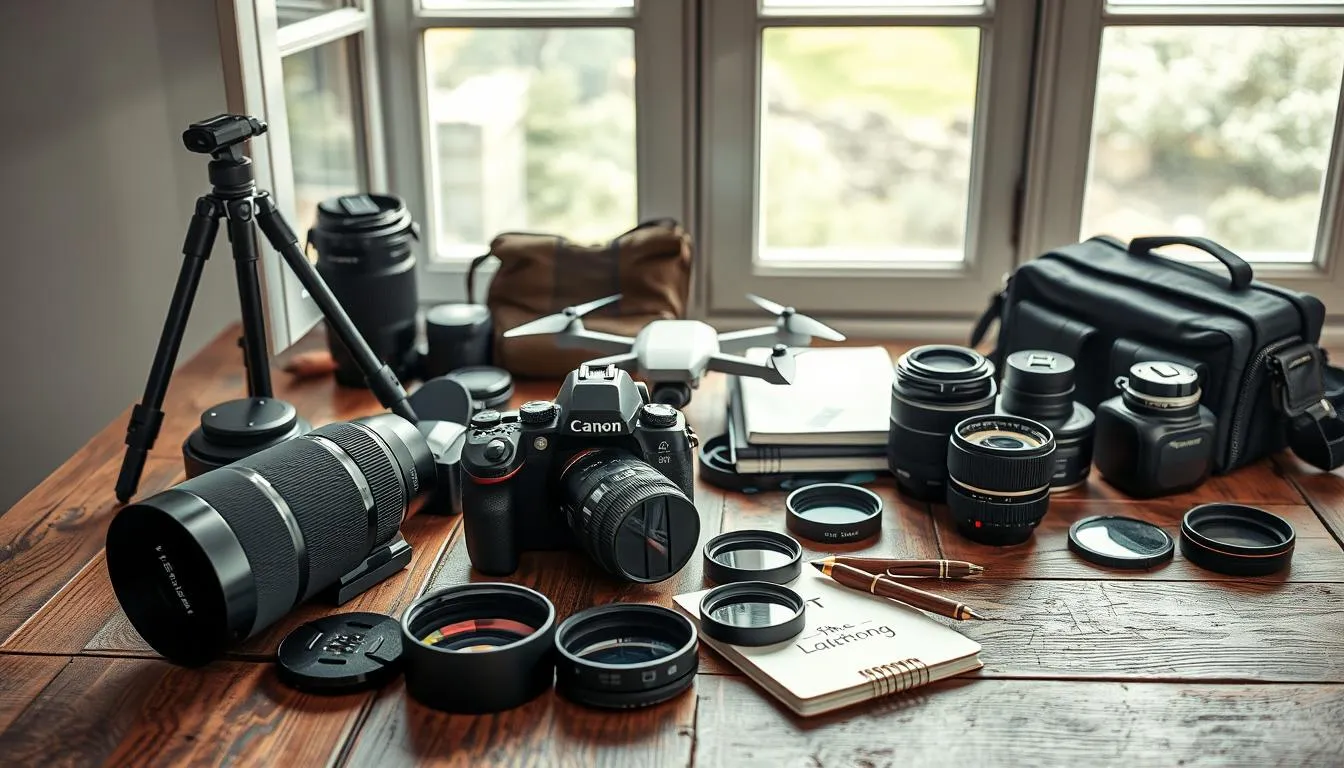
Choosing the right photography gear is crucial for capturing high-quality travel photos. With the numerous options available, it’s essential to understand the pros and cons of different camera types, lenses, and accessories to make an informed decision.
Camera Types: DSLR vs. Mirrorless vs. Smartphone
When it comes to camera types, travelers have three primary options: DSLR, mirrorless, and smartphone cameras. DSLR cameras offer excellent image quality and manual controls, but can be bulky. Mirrorless cameras provide a balance between quality and portability, making them a popular choice among travel photographers. Smartphone cameras have advanced significantly and are convenient for casual travel photography.
Lens Selection for Versatile Travel Photography
A versatile lens can make a significant difference in travel photography. A wide-angle lens (between 10-24mm) is ideal for capturing landscapes and architecture, while a standard zoom lens (around 24-70mm) is useful for everyday shooting. For those interested in capturing distant subjects, a telephoto lens (70-200mm or more) is a must-have.
Must-Have Accessories
Accessories can enhance your travel photography experience. Two essential accessories are tripods and filters.
Tripods and Stabilizers
A sturdy tripod helps in capturing sharp images, especially in low-light conditions. For video recording or using slower shutter speeds, a stabilizer or gimbal can be invaluable.
Filters and Their Uses
Filters can enhance your images by reducing glare, enhancing colors, or protecting your lens. Common types include polarizing filters, neutral density filters, and UV filters. For more information on travel camera gear, visit https://www.weseektravel.com/travel-camera-gear/.
By understanding your options and choosing the right gear, you can significantly improve your travel photography. Consider your specific needs, the type of photography you want to do, and the conditions you’ll be shooting in to make the best choices.
Pre-Trip Planning for Photographers
Effective pre-trip planning is crucial for capturing stunning travel photographs. By doing your homework before you leave, you can ensure that you’re prepared to make the most of your photography opportunities.
Researching Photo Opportunities
Start by researching your destination to identify potential photo opportunities. Look for landmarks, cultural events, and natural wonders that you don’t want to miss. Utilize travel guides, online forums, and social media to gather information about the best spots to capture memorable images.
Creating a Shot List
Once you’ve identified key locations, create a shot list to help you stay organized. This list should include the types of shots you want to capture, such as landscapes, portraits, or street scenes. Having a clear plan will help you stay focused and ensure that you don’t miss important shots.
Understanding Local Photography Regulations
It’s also essential to understand local photography regulations and cultural sensitivities. Some locations may have restrictions on photography, especially in sensitive areas or during certain events. Being aware of these rules will help you avoid any potential issues during your trip.
Packing and Protecting Your Equipment
The journey to capturing breathtaking travel photographs begins with properly packing and protecting your photography equipment. As a travel photographer, you need to ensure your gear is well-protected to withstand the rigors of travel.
Camera Bags and Cases
Investing in a high-quality camera bag or case is essential. Look for one that offers padding and compartments to keep your equipment organized and cushioned against shocks. Consider a bag with weather-resistant materials to protect against unexpected rain or dust.
Weather Protection Solutions
Weather conditions can be unpredictable. Use rain covers or weather-resistant housings to protect your camera and lenses from rain, snow, or sand. Silica gel packets can help control moisture inside your bag.
Travel-Friendly Organization Systems
Staying organized is key to efficient travel photography. Utilize packing cubes or pouches to separate your gear, making it easier to find what you need quickly. Consider a bag with a dedicated laptop compartment for editing on the go.
By following these tips, you’ll be well-prepared to capture the best moments on your travels while keeping your equipment safe and secure.
Mastering Light in Different Environments
Understanding and adapting to different lighting conditions can significantly enhance your travel photography skills. Light is a critical element that can make or break an image, and knowing how to work with it is essential for capturing stunning photos.
Golden Hour and Blue Hour Photography
The golden hour, just before sunset, and the blue hour, just after sunset, offer soft, warm, and cool light respectively, which can add a magical touch to your photos. To make the most of these periods, plan your shoots accordingly and use the light to enhance the mood of your images.
- Golden Hour: Warm light, ideal for portraits and landscapes.
- Blue Hour: Cool light, perfect for cityscapes and moody atmospheres.
Handling Harsh Midday Light
Midday light can be challenging due to its harshness and the strong shadows it creates. To handle this, look for shaded areas or use diffusion filters to soften the light. Adjusting your camera settings to compensate for the high contrast can also help.
Night Photography Techniques
Night photography offers a unique set of challenges and opportunities. Two key techniques to master are long exposure and light painting.
Long Exposure Basics
Long exposures can capture the movement of stars, traffic, or water, creating a sense of dynamism in your photos. To achieve this, use a tripod, set a low ISO, and experiment with different shutter speeds.
Light Painting
Light painting involves using a light source to illuminate parts of your scene during a long exposure. This technique can add creative elements to your photos, such as highlighting specific features or creating abstract patterns.
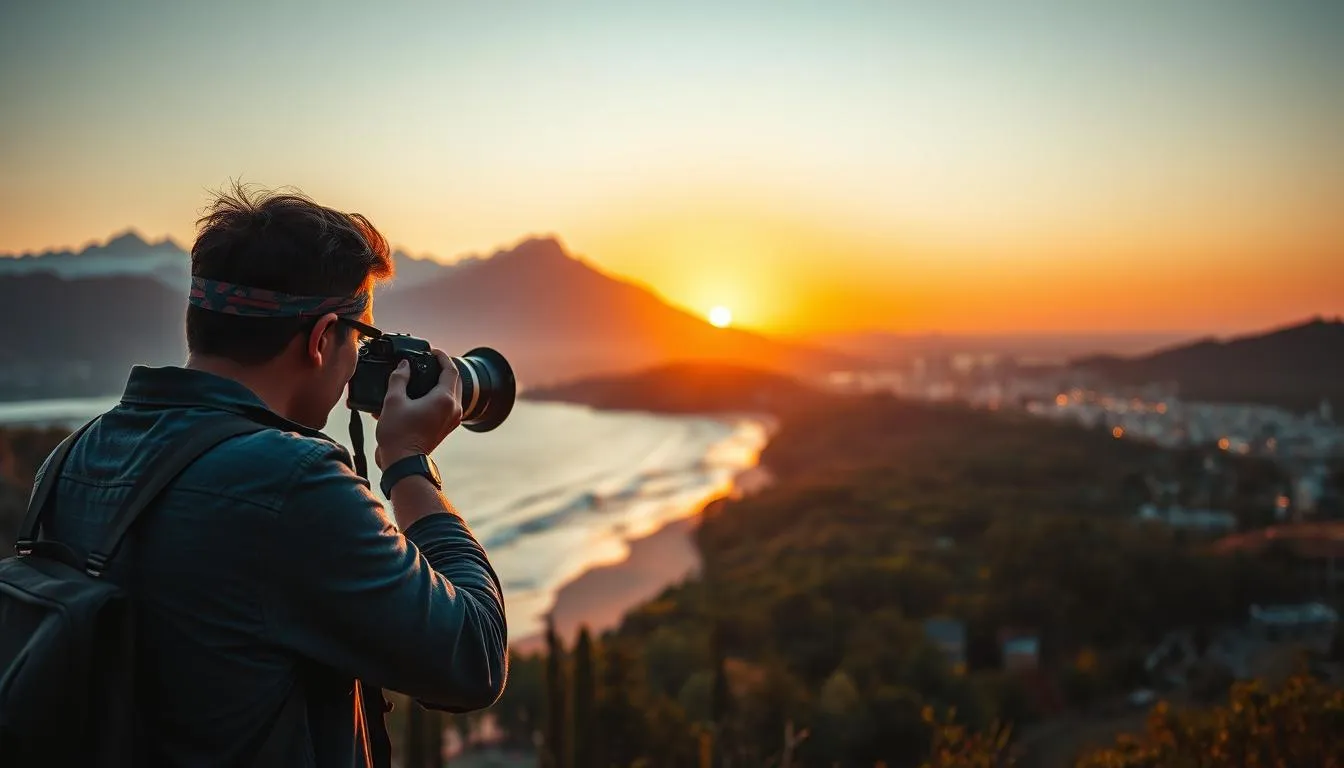 By mastering these lighting techniques, you’ll be able to take your travel photos to the next level, capturing the essence of your destinations in a compelling and artistic way. For more travel photography tips, consider practicing during different times of the day and experimenting with various camera settings.
Composition Techniques That Transform Travel Photos
Composition is the backbone of stunning travel photography, turning ordinary scenes into extraordinary images. By applying a few key techniques, you can significantly enhance the quality and impact of your travel photos.
Rule of Thirds and Visual Balance
The rule of thirds is a fundamental composition technique that involves dividing your image into thirds both horizontally and vertically, placing important elements along these lines or at their intersections. This technique helps achieve visual balance and makes your photos more engaging.
- Align subjects with grid lines or intersections.
- Balance elements in the frame to create harmony.
Leading Lines and Framing
Leading lines can guide the viewer’s eye through the image, creating a sense of depth and direction. Framing involves using natural or man-made features to encircle your subject, isolating it from the background and drawing attention to it.
- Look for roads, shorelines, or any continuous feature.
- Use archways, trees, or buildings to frame your subject.
Perspective and Scale
Experimenting with different perspectives and scales can add variety to your travel photos. Shooting from low or high angles and incorporating elements that provide a sense of scale can make your images more interesting.
- Shoot from unique vantage points.
- Incorporate people or objects to provide scale.
Creating Depth in Your Images
Creating a sense of depth is crucial for making your two-dimensional photos feel more dynamic. Techniques include using layers, atmospheric conditions, and focusing on elements at different distances.
- Utilize foreground, mid-ground, and background elements.
- Take advantage of mist, fog, or haze for added depth.
By mastering these composition techniques, you’ll be well on your way to capturing stunning travel photos that tell a story and evoke emotion.
Capturing Different Travel Subjects
When traveling, photographers encounter a wide range of subjects, each requiring unique approaches and techniques. Mastering the art of capturing these diverse subjects can elevate your travel photography and create a compelling visual narrative of your journey.
Landscape Photography Approaches
Landscape photography is about capturing the natural beauty of a place. To achieve stunning landscape photos, consider shooting during the golden hour when the light is soft and warm. Use a wide-angle lens to encompass the vastness of the scene, and don’t forget to include interesting foreground elements to add depth to your images. For more tips on landscape photography, visit travel photography tips.
Street Photography and Urban Scenes
Street photography involves capturing the essence of urban life. To excel in this genre, be observant and anticipate interesting moments. Use a discreet camera to avoid drawing attention to yourself, and shoot from different angles to add variety to your shots. Look for leading lines and framing elements to create visually appealing compositions.
Architecture and Interior Spaces
Photographing architecture and interior spaces requires attention to detail and an understanding of lighting. Use a tripod to stabilize your camera, especially in low-light conditions. Experiment with different perspectives and angles to highlight the unique features of the structure or space.
Wildlife and Nature
Capturing wildlife and nature requires patience and a deep respect for the environment. Use a telephoto lens to get close-up shots without disturbing the animals. Be prepared to wait for the right moment, and consider the lighting and composition to create impactful images.
By mastering these different approaches to travel photography, you can create a diverse and captivating portfolio that showcases your skills and creativity.
Photographing People and Cultures Respectfully
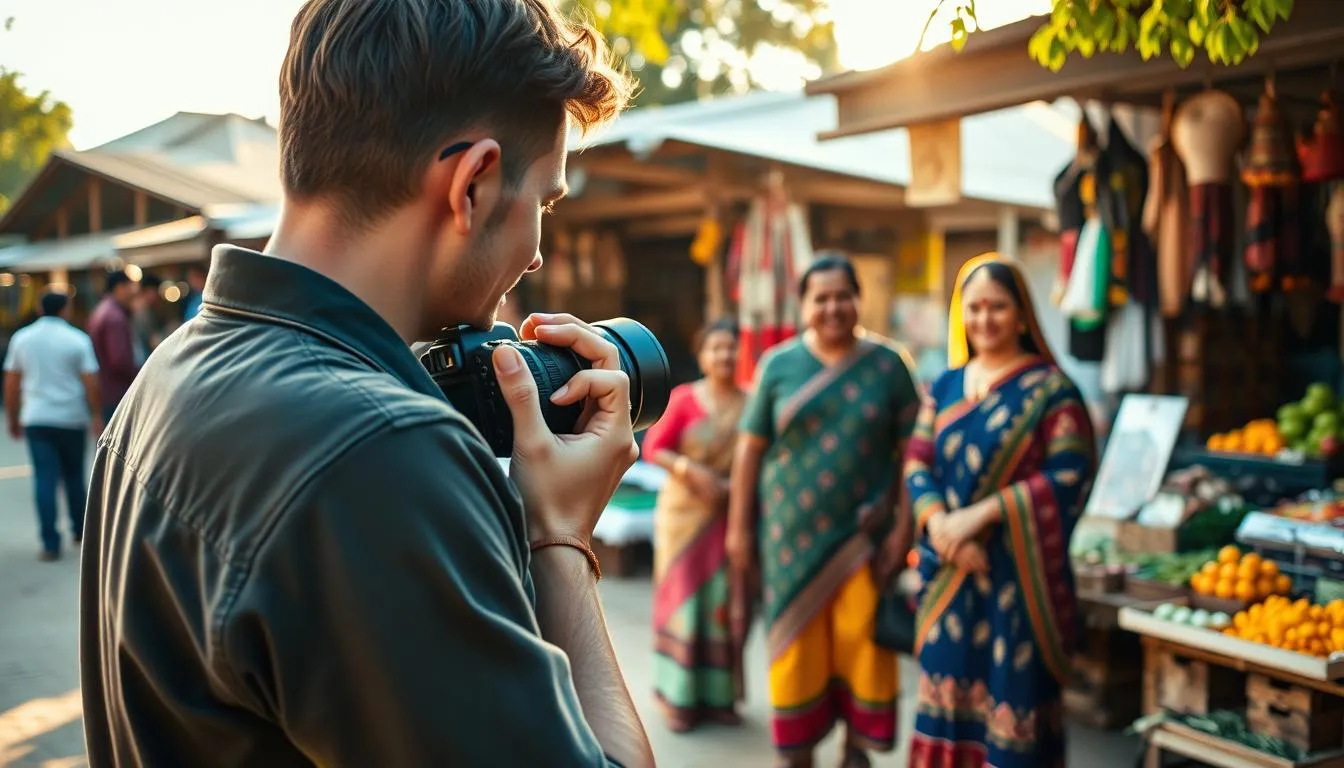
The art of photographing people and cultures while traveling is not just about taking pictures; it’s about telling stories with empathy and understanding. As a travel photographer, you’re not only capturing moments but also representing the cultures you encounter.
Ethical Considerations
When photographing people, it’s essential to consider the ethical implications of your actions. This includes being mindful of cultural norms, obtaining consent when necessary, and being respectful of privacy. Understanding the local customs and traditions can help you avoid unintended offense and ensure that your photography is welcomed.
Approaching and Connecting with Subjects
Building a connection with your subjects can significantly enhance the quality and authenticity of your photographs. Simple gestures like smiling, greeting locals in their language, and showing genuine interest can go a long way. Being approachable and respectful helps in capturing more natural and meaningful images.
Telling Cultural Stories Through Images
Effective travel photography tells a story that goes beyond the visual. It conveys the spirit of a place and its people. By focusing on the best travel photography techniques, you can create a compelling narrative that respects and celebrates cultural diversity. This approach not only enriches your photography guide for travelers but also fosters greater understanding among different cultures.
Post-Processing Workflow for Travel Photos
Once you’ve taken your photos, post-processing is where the real magic happens. It’s the stage where you can enhance the colors, adjust the lighting, and give your images a professional touch.
Essential Editing Software Options
Choosing the right editing software is crucial for effective post-processing. Popular options include Adobe Lightroom and Photoshop, which offer a wide range of tools for editing. Adobe Lightroom is particularly favored for its ability to handle large batches of photos, making it ideal for travel photographers.
- Adobe Lightroom: Ideal for batch editing and basic adjustments.
- Adobe Photoshop: Offers advanced editing capabilities, including layer manipulation and detailed retouching.
- Snapseed: A mobile app that provides powerful editing tools on-the-go.
Basic Adjustments for Travel Images
Basic adjustments can significantly improve your travel photos. Start by adjusting the exposure and contrast to enhance the overall look. Cropping can help improve composition, and adjusting the white balance can correct unwanted color casts.
“The goal of editing is to enhance the image, not to change it entirely.”
Developing a Consistent Style
Developing a consistent style across your travel photos can help tell a cohesive story. This can be achieved through consistent color grading and applying similar adjustments across your images.
Color Grading Techniques
Color grading involves adjusting the colors in your images to create a specific mood or atmosphere. Techniques include using the color grading tools in Lightroom or applying LUTs (Look-Up Tables) to give your photos a consistent look.
Creating a photo series involves selecting a group of images that tell a story or share a common theme. This can be particularly effective for showcasing different aspects of a travel destination.
By following these post-processing tips, you can enhance your travel photos and develop a distinctive style that sets your work apart.
Managing and Preserving Your Travel Images
Keeping your travel memories alive requires more than just taking great photos; it involves careful management and preservation of your images. As you accumulate a large collection of travel photos, having a systematic approach to managing them is crucial.
Backup Strategies While Traveling
One of the most critical aspects of managing your travel images is having a robust backup strategy. This involves regularly backing up your photos to prevent loss due to theft, damage, or technical failure. Consider using portable hard drives or cloud storage services like Google Drive or Dropbox to keep your images safe.
Organizing Your Photo Library
Organizing your photo library is essential for easily locating specific images. Create a folder structure on your computer that categorizes your photos by date, location, or event. You can also use photo management software like Adobe Lightroom to tag and categorize your images, making them more searchable.
Sharing and Displaying Your Work
After organizing your photos, you may want to share them with others. Consider creating a photography blog or portfolio to display your best work. You can also share your images on social media platforms or through online photography communities to get feedback and connect with other photographers.
Conclusion: Evolving Your Travel Photography Journey
As you continue on your travel photography journey, remember that the art of capturing moments is a constant learning process. Embracing the principles outlined in this guide, such as traveling light and photographing like a local, will help you refine your skills. For more expert travel photography tips, explore resources that inspire personal growth and creativity.
To improve your craft, focus on experiencing cultures and meeting people, rather than just capturing images. By doing so, you’ll build stronger experiences and memories. Don’t be afraid to step out of your comfort zone and try new approaches to how to take travel photos that truly reflect your unique perspective.
With persistence and patience, your travel photography skills will evolve, allowing you to capture the essence of your journeys. Stay present, stay curious, and keep exploring.
FAQ
What are the best camera settings for travel photography?
The best camera settings for travel photography depend on the scene you’re capturing. For landscapes, a low ISO (100-400) and a small aperture (f/8-f/11) are often ideal. For street photography, a medium ISO (400-800) and a wider aperture (f/2.8-f/4) can work well. Experiment with different settings to find what works best for you.
How can I protect my camera equipment while traveling?
To protect your camera equipment, invest in a sturdy camera bag or case, and consider weather protection solutions like rain covers or protective sleeves. Use a tripod or stabilizer to prevent camera shake, and keep your equipment organized with travel-friendly organization systems.
What are some essential photography gear for travelers?
Essential photography gear for travelers includes a versatile camera, a few prime lenses or a standard zoom lens, a tripod, and a camera bag. Don’t forget to pack extra batteries, memory cards, and a lens cleaning kit. For smartphone photographers, consider investing in a good phone case and a portable lens attachment.
How do I capture great photos in different lighting conditions?
To capture great photos in different lighting conditions, understand how to work with the light available. For golden hour and blue hour photography, shoot during the soft, warm light. For harsh midday light, use a polarizing filter or shoot in the shade. For night photography, use a tripod and experiment with long exposure techniques.
What are some tips for photographing people and cultures respectfully?
When photographing people and cultures, be respectful and considerate. Research the local customs and traditions, and ask permission before taking someone’s photo. Be mindful of your surroundings and avoid disrupting the scene. Focus on capturing authentic moments and telling cultural stories through your images.
How can I improve my composition skills in travel photography?
To improve your composition skills, practice using the rule of thirds, leading lines, and framing. Experiment with different perspectives and scales, and pay attention to visual balance. Don’t be afraid to try new things and take risks 鈥?it’s all part of the learning process.
What are some best practices for managing and preserving travel photos?
To manage and preserve your travel photos, develop a backup strategy while traveling, such as using external hard drives or cloud storage. Organize your photo library with a consistent naming convention and folder structure. Consider creating a photo series or editing your photos to develop a consistent style.
How can I learn more about travel photography techniques and best practices?
To learn more about travel photography techniques and best practices, read photography blogs and books, attend workshops or online courses, and join photography communities. Practice regularly and experiment with different techniques to develop your skills.