The Essential Guide to Cultural Festivals Around the World
Festivals play a crucial role in preserving cultural heritage and promoting social cohesion worldwide. These events are vital to the cultural identity of communities, offering a glimpse into their history, values, and traditions.

18 min read
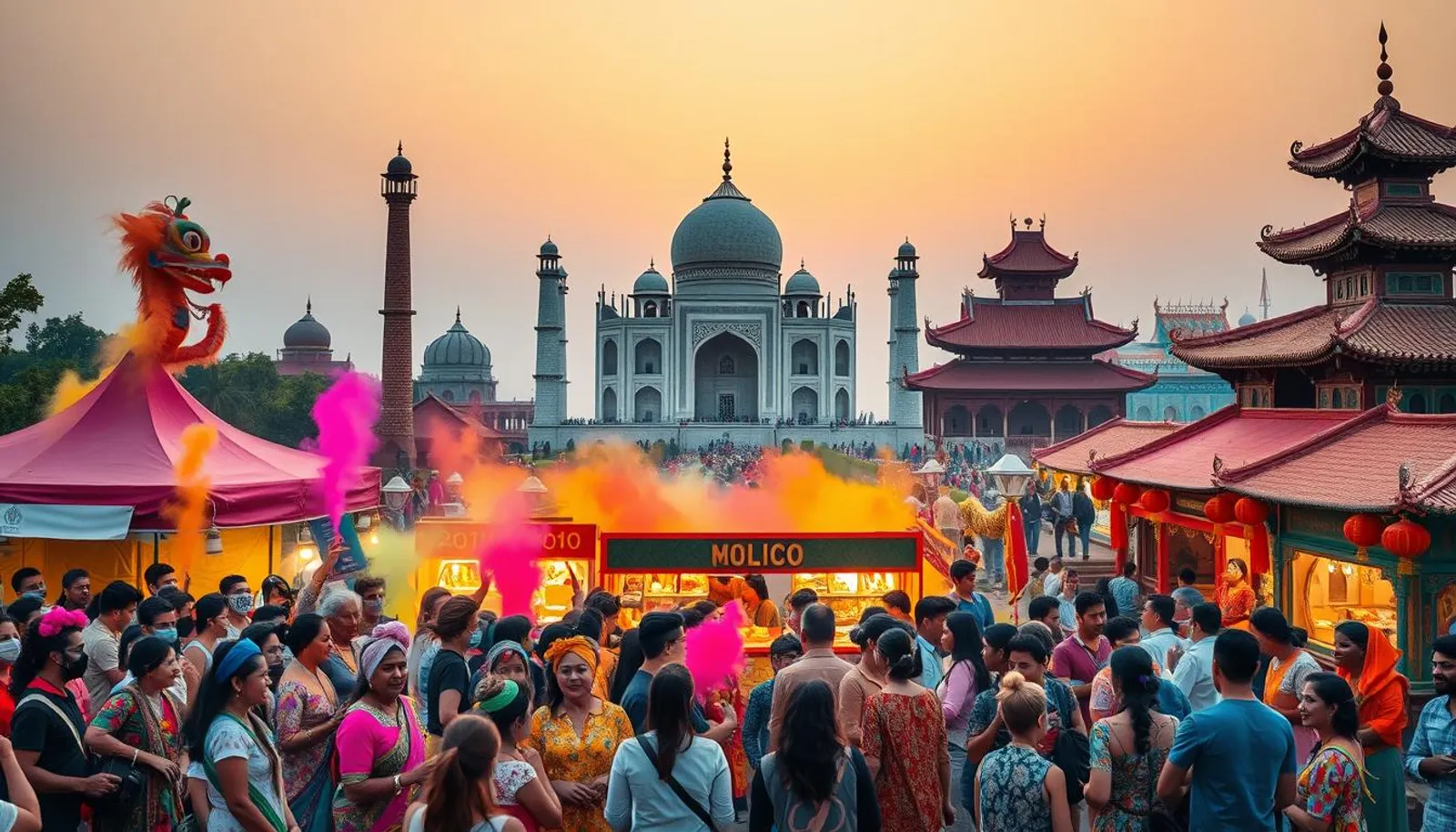
Cultural festivals are a vibrant expression of the world’s diverse heritage, bringing people together through music, dance, food, and art. These celebrations not only showcase the unique traditions of different cultures but also foster a sense of community and understanding among participants.
**
From the colorful Holi festival in India to the enchanting Carnaval in Brazil**, each event offers a distinct glimpse into the local culture, making them a fascinating experience for travelers and locals alike.
Exploring these festivals can be a rewarding experience, allowing you to immerse yourself in the local customs and traditions. Whether you’re looking for a vibrant atmosphere or a unique cultural experience, this guide will help you navigate the most significant festivals worldwide.
Key Takeaways
- Discover the diversity of cultural festivals around the world.
- Learn about the significance of these events in different cultures.
- Find out how to experience these festivals firsthand.
- Get insights into the unique traditions and customs associated with each festival.
- Plan your next cultural adventure with our festival guide.
The Cultural Significance of Festivals Worldwide
Festivals play a crucial role in preserving cultural heritage and promoting social cohesion worldwide. These events are vital to the cultural identity of communities, offering a glimpse into their history, values, and traditions.
How Festivals Preserve Heritage and Tradition
Festivals are instrumental in preserving cultural heritage by passing down traditions from one generation to the next. They often involve traditional music, dance, food, and rituals that are unique to each culture. For instance, traditional folk dances performed during festivals are a living connection to the past, keeping cultural heritage alive.
- Preservation of traditional practices
- Promotion of cultural values
- Education of younger generations about their cultural heritage
The Social and Community Bonds Formed Through Celebrations
Festivals also play a significant role in forming and strengthening social and community bonds. They bring people together, fostering a sense of community and belonging among participants. Through collective celebrations, individuals develop a shared identity and a deeper understanding of their community’s values.
**
Community engagement** is enhanced through festivals, as they often involve local organizations, businesses, and volunteers. This collective effort not only strengthens community ties but also promotes social cohesion.
Exploring Global Cultural Festivals: An Overview
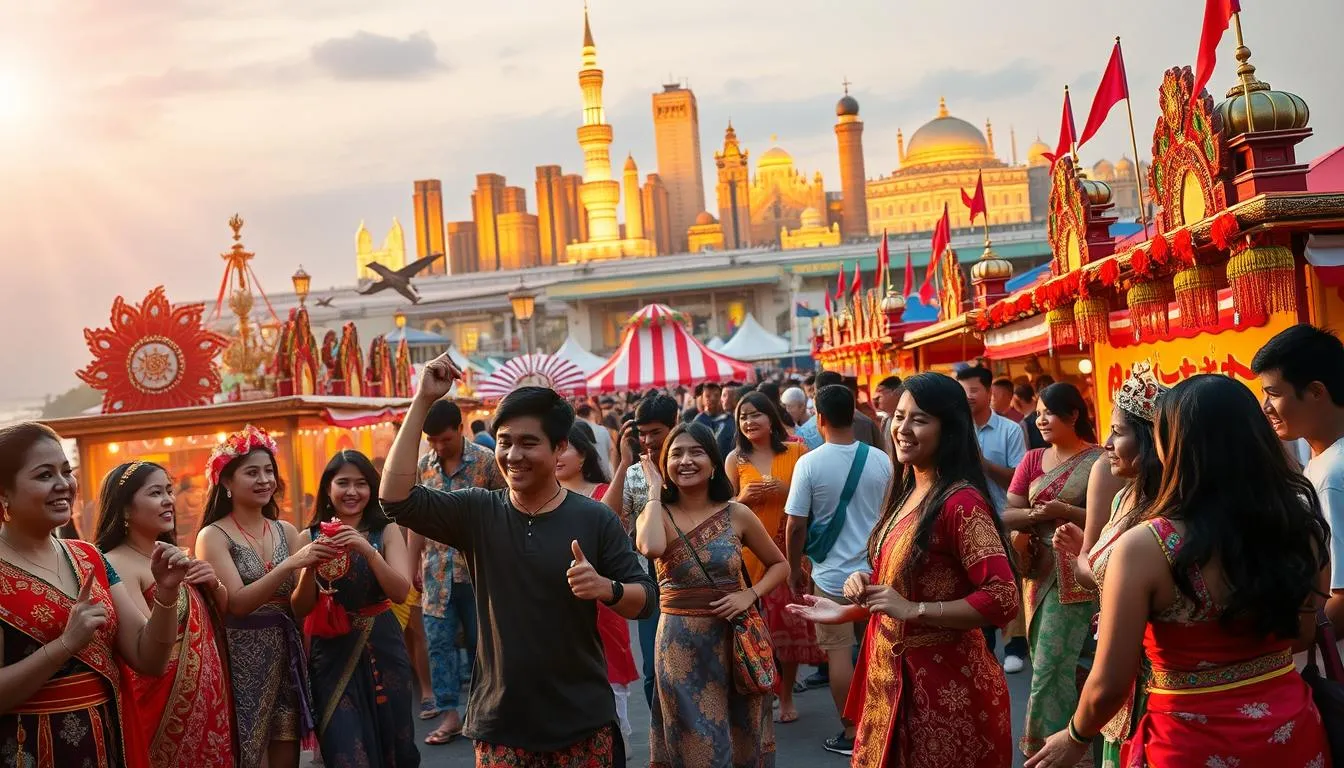
The world’s cultural festivals are as diverse as they are fascinating, reflecting the rich tapestry of human experience. These events are not just celebrations; they are vital expressions of identity, community, and heritage.
The Diversity of Festival Types
Cultural festivals come in various forms, including religious ceremonies, harvest celebrations, and commemorative events. For instance, religious festivals like **
Diwali** in India and Eid in the Middle East are significant for their spiritual importance. On the other hand, harvest festivals such as the Thanksgiving celebration in the United States and Canada focus on gratitude for the season’s bounty.
- Religious and spiritual festivals
- Harvest and **seasonal celebrations
- Commemorative and historical events
Seasonal Celebrations Around the Calendar
Festivals are distributed throughout the year, each tied to specific seasons or dates. For example, winter festivals like the **
Chinese New Year** and summer festivals such as the Tomatina in Spain attract global attention. These seasonal celebrations often symbolize renewal, abundance, or historical events.
“Festivals are a universal language, understood and celebrated by people across different cultures.”
The Evolution of Traditional Celebrations in Modern Times
While traditional festivals remain deeply rooted in their cultural heritage, they are also evolving. Modern influences and global connectivity have led to the fusion of traditional practices with contemporary elements. For instance, many festivals now incorporate technology and social media to engage a wider audience and preserve cultural practices for future generations.
By embracing change while honoring tradition, global cultural festivals continue to thrive and remain relevant in today’s world.
Iconic Festivals of Asia
From the snowy mountains of Japan to the bustling streets of India, Asia’s iconic festivals are a testament to the region’s cultural diversity. These events not only showcase the rich heritage of their respective countries but also offer visitors a unique glimpse into the traditions and customs that define the continent.
Diwali: India’s Festival of Lights
**
Diwali**, celebrated over five days, is one of India’s most significant festivals, symbolizing the victory of light over darkness. The festival is marked by the lighting of diyas (earthen lamps), fireworks, and the exchange of gifts. It’s a time of renewal and joy, illuminating the streets and homes across India.
Chinese New Year Celebrations Across Asia
**
Chinese New Year**, or the Spring Festival, is celebrated with great fervor across **
Asia**. The festival, which marks the beginning of the new year on the traditional Chinese calendar, is characterized by parades, lion dances, and family gatherings. It’s a period of renewal and is believed to bring good fortune.
Japan’s Cherry Blossom Festivals
Japan’s Cherry Blossom Festivals, or Hanami, are a cherished tradition, celebrating the beauty of cherry blossoms. These festivals, held in the spring, attract millions of visitors who come to admire the breathtaking beauty of the blossoms. The festivals often include picnics, traditional food, and festivities under the blooming trees.
Thailand’s Songkran Water Festival
Songkran, Thailand’s New Year water festival, is a vibrant celebration that involves water fights, parades, and traditional rituals. It’s a time for cleansing and renewal, symbolizing the washing away of sins and bad fortune. The festival is a significant tourist attraction, drawing visitors from around the globe.
Here’s a comparison of these iconic festivals:
| Festival | Country | Significance | Key Activities |
|---|---|---|---|
| --- | --- | --- | --- |
| ** |
Diwali** | India | Victory of light over darkness | Lighting diyas, fireworks, gift exchange | | **
Chinese New Year** | Various Asian countries | New year on the traditional Chinese calendar | Parades, lion dances, family gatherings | | Cherry Blossom Festival | Japan | Celebration of cherry blossoms | Picnics, traditional food, admiring blossoms | | Songkran Water Festival | Thailand | New Year celebration, cleansing, and renewal | Water fights, parades, traditional rituals |These festivals not only highlight the cultural richness of **
Asia** but also offer a unique experience for visitors. Whether it’s the vibrant colors of Diwali, the parades of Chinese New Year, the serene beauty of Japan’s Cherry Blossom Festivals, or the water fights of Songkran, each festival provides a distinct cultural insight into the region.
European Cultural Celebrations
Cultural celebrations in Europe are as diverse as they are vibrant, offering something for every kind of traveler. The continent is home to a rich tapestry of festivals that reflect its history, traditions, and values.
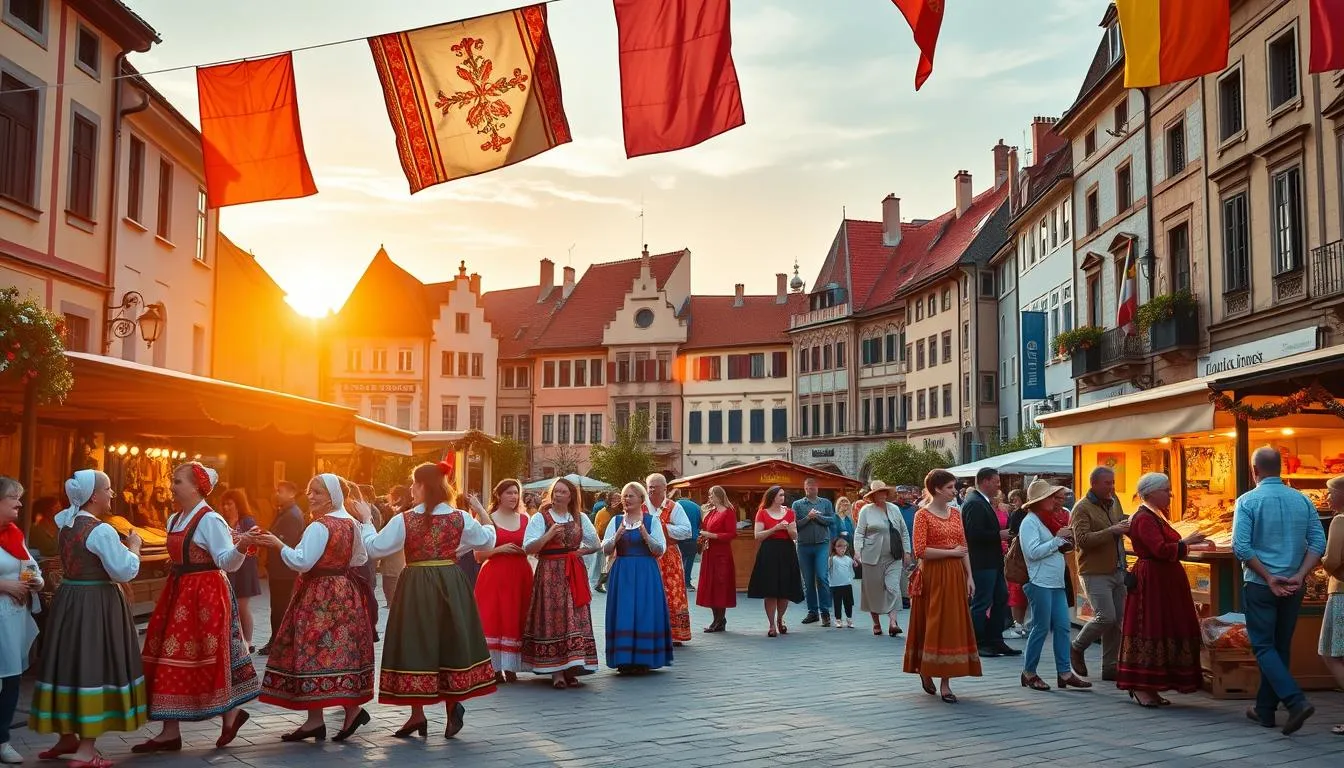 Europe’s cultural calendar is filled with events that are steeped in tradition and history. One of the most iconic celebrations is the **
Carnival in Venice, Italy**. Known for its elaborate masks and costumes, the Venice **
Carnival** is a spectacle that attracts visitors from around the world. As one traveler noted, “The Venice **
Carnival** is a dream come true for those who love masquerade balls and elaborate costumes.”
Carnival in Venice, Italy
The Venice **
Carnival** typically takes place in February or March, depending on the year. It is a time when the city comes alive with music, dance, and theater performances. Visitors can enjoy the grand masquerade balls, parades, and other events that make this carnival one of the most anticipated in Europe. For more information on European festivals, you can visit Voyeglobal’s guide to the best festivals in.
Oktoberfest in Munich, Germany
No discussion of **
European cultural celebrations** would be complete without mentioning **
Oktoberfest in Munich, Germany**. This world-famous beer festival is a celebration of Bavarian culture, with traditional food, drink, and music. Visitors can enjoy the lively atmosphere, sample local delicacies, and of course, drink a stein of beer with the locals.
La Tomatina in Buol, Spain
For those looking for a more unique experience, **
La Tomatina in Buol, Spain** is a must-visit. This famous tomato-throwing festival is a fun and messy celebration that takes place in August. Participants hurl tomatoes at each other, creating a sea of red pulp and juice. As one participant described it, “La Tomatina is an exhilarating experience that is unlike anything else.”
Edinburgh Festival Fringe in Scotland
Lastly, the **
Edinburgh Festival Fringe in Scotland** is the largest arts festival in the world, featuring a diverse range of performances including theater, comedy, and music. It is a celebration of creativity and talent, attracting artists and audiences alike. The festival takes place in August and is a highlight of the European cultural calendar.
These are just a few examples of the many cultural celebrations that take place in Europe. Whether you’re interested in history, food, or the arts, there’s something for everyone on the European cultural calendar.
Vibrant Festivals of the Americas
The **
Americas** are home to a diverse array of vibrant festivals that showcase the region’s rich cultural heritage. These celebrations are a testament to the history, traditions, and communal spirit of the communities that host them.
One of the most significant festivals in the **
Americas** is the **
Day of the Dead** in Mexico. This ancient tradition honors the deceased, with families gathering to pray, share stories, and offer altars decorated with marigolds, photographs, and favorite foods of the departed.
Day of the Dead in Mexico
The **
Day of the Dead** is a celebration that dates back to the indigenous cultures of Mexico, symbolizing the cycle of life and death. It is observed on November 1st and 2nd, coinciding with the Catholic holidays of All Saints’ Eve and All Souls’ Day.
For more information on how Latin American culture is celebrated in the US, you can visit Harlem World Magazine.
Carnival in Rio de Janeiro, Brazil
**
Carnival in Rio de Janeiro** is another iconic festival in the **
Americas**, known for its extravagant parades, vibrant costumes, and infectious energy. It attracts millions of visitors from around the world, making it one of the largest and most famous carnivals globally.
Mardi Gras in New Orleans, USA
**
Mardi Gras in New Orleans** is a carnival celebration that features parades, jazz music, and elaborate floats. The event has its roots in medieval Europe and has evolved into a unique expression of the city’s cultural heritage.
Inti Raymi in Cusco, Peru
**
Inti Raymi**, or the Festival of the Sun, is an ancient Inca celebration reenacted in Cusco, Peru. It commemorates the winter solstice and the Inca New Year, featuring traditional dances, music, and rituals.
The following table summarizes the key details of these vibrant festivals:
| Festival | Location | Date | Main Features |
|---|---|---|---|
| --- | --- | --- | --- |
| ** |
Day of the Dead** | Mexico | November 1-2 | Altars, traditional foods, parades | | Carnival | Rio de Janeiro, Brazil | Before Lent | Parades, costumes, music | | Mardi Gras | New Orleans, USA | Before Lent | Jazz, parades, floats | | Inti Raymi | Cusco, Peru | June 24 | Traditional dances, music, rituals |## African and Middle Eastern Celebrations
The rich tapestry of African and **
Middle Eastern celebrations** offers a unique glimpse into the cultural heritage of these regions. These events are not just entertaining spectacles but also carry deep historical and spiritual significance.
Morocco’s Fes Festival of World Sacred Music
The **
Fes Festival of World Sacred Music** is a celebration that brings together musicians from around the globe to perform sacred music. It’s a powerful event that highlights the universal language of music in bridging cultural divides. For more insights on Morocco’s festivals, visit Memphis Tours.
South Africa’s Cape Town Minstrel Carnival
The **
Cape Town Minstrel Carnival**, also known as the “Kaapse Klopse,” is a vibrant celebration that takes place in Cape Town, South Africa. It is a display of music, dance, and colorful costumes, tracing its roots back to the city’s history and cultural melting pot.
Timkat in Ethiopia
**
Timkat** is an Ethiopian Orthodox celebration that commemorates the baptism of Jesus Christ. It is observed with great fervor, featuring processions, singing, and dancing. The event is a significant expression of faith and community bonding.
These celebrations not only showcase the diversity and richness of African and Middle Eastern cultures but also serve as a bridge between tradition and modernity.
Oceania’s Unique Cultural Gatherings
The cultural landscape of **
Oceania** is vibrant, with numerous gatherings that celebrate the unique traditions of the region. **
Oceania**, comprising countries such as Australia and New Zealand, is characterized by a rich tapestry of cultural events that reflect its indigenous heritage and modern influences.
Pasifika Festival in New Zealand
The **
Pasifika Festival**, held annually in Auckland, New Zealand, is one of the largest Pacific Island cultural events in the world. It celebrates the traditions, music, and dance of Pacific Island cultures, attracting visitors from across the globe. The festival features a vibrant display of costumes, traditional performances, and **
Pacific cuisine**, providing a unique insight into the region’s cultural diversity.
For more information on the cultural context of such events, you can explore the culture of Oceania.
NAIDOC Week in Australia
NAIDOC Week, or National Aboriginal and Torres Strait Islander Observance Committee Week, is a significant cultural event in Australia. It celebrates the history, culture, and achievements of the country’s indigenous peoples. The event features a range of activities, including cultural performances, traditional art exhibitions, and community gatherings, promoting awareness and understanding of Australia’s rich indigenous heritage.
NAIDOC Week is an important occasion for Australians to come together and acknowledge the contributions of Aboriginal and Torres Strait Islander peoples to the nation’s identity.
Planning Your Festival Travel Guide
**
Planning** your festival travel is crucial to immerse yourself in the rich cultural heritage of different countries. A well-planned trip ensures that you make the most of your experience, from enjoying the festivities to exploring the local culture.
Researching and Selecting Festivals
The first step in planning your festival travel is to research and select the festivals you wish to attend. With numerous cultural events happening around the world, it’s essential to choose ones that align with your interests. For instance, you might be interested in June 2025 cultural events and festivals, which offer a diverse range of experiences.
- Look for festivals that showcase unique cultural traditions.
- Consider the time of year and how it fits with your travel plans.
- Check the festival’s popularity and expected attendance.
Budgeting for International Festival Travel
**
Budgeting** is a critical aspect of festival travel planning. Costs can quickly add up, including tickets, travel, accommodation, and food. Here are some tips to help you budget effectively:
- Set a realistic budget based on your financial situation.
- Research cost-effective travel options, such as early bird discounts.
- Plan your accommodation well in advance to secure the best rates.
Accommodation Strategies During Peak Festival Seasons
Finding the right accommodation during peak festival seasons can be challenging. Here are some strategies to help:
Booking Timelines for Popular Events
For popular festivals, it’s advisable to book your accommodation as early as possible. Many hotels and lodgings offer early bird discounts or packages that include festival tickets.
Alternative Lodging Options
Consider alternative lodging options such as Airbnb, hostels, or camping. These can offer a more affordable and sometimes more authentic experience.
Health and Safety Considerations for American Travelers
When traveling internationally for festivals, health and safety should be a top priority. American travelers should:
- Check the latest travel advisories for their destination.
- Ensure they have all necessary vaccinations.
- Stay informed about local health and safety guidelines.
By taking these steps, you can enjoy a safe and memorable festival experience.
Experiencing Local Traditions Respectfully
**
Experiencing local traditions** respectfully is crucial for a meaningful cultural exchange. When attending cultural festivals, understanding and adhering to local customs can significantly enhance your experience.
Understanding Cultural Sensitivities and Etiquette
**
Cultural sensitivities** and etiquette play a significant role in ensuring that your participation in local traditions is respectful. For instance, dressing modestly, removing shoes when required, and being mindful of sacred rituals are essential practices. Here are some key considerations:
- Research local customs and traditions before attending a festival.
- Be aware of your body language and its potential impact.
- Follow the lead of local participants when in doubt.
Participating Authentically in Celebrations
Authentic participation in cultural celebrations involves more than just following rules; it’s about engaging genuinely with the community. **
Listening to local stories, trying traditional foods, and participating in dances or rituals** can deepen your understanding and appreciation of the culture. Some tips include:
- Engage with local performers and artisans.
- Try local cuisine and drinks.
- Participate in workshops or classes offered during the festival.
Language Tips for Meaningful Cultural Exchange
Language is a critical component of cultural exchange. Learning a few key phrases in the local language can go a long way in showing respect. **
Phrases like “hello,” “thank you,” and “excuse me”** can help break the ice and foster positive interactions. Additionally, using translation apps or carrying a phrasebook can be helpful.
Conclusion: Celebrating Culture Abroad as a Global Citizen
Cultural festivals around the world offer a unique window into the traditions and heritage of different communities. As a global citizen, celebrating culture abroad is not just about experiencing new events, but also about fostering unity and understanding among diverse populations.
The recent Global Citizen Festival: Amaznia is a prime example, mobilizing $1 billion to fund Indigenous-led and nature-based initiatives, protecting 31 million hectares, and directly impacting 18 million people. Such events demonstrate the power of collective action in driving positive change.
As we continue to explore and learn about global cultural festivals, it’s essential to do so respectfully and authentically. By embracing cultural diversity, we can build stronger connections with communities worldwide and contribute to a more harmonious global society.
By being a global citizen and celebrating culture abroad, we not only enrich our own lives but also play a role in preserving the world’s cultural heritage for future generations.
FAQ
What are some of the most iconic global cultural festivals to attend?
Some of the most iconic global cultural festivals include Diwali in India, Chinese New Year in China, Japan’s Cherry Blossom Festivals, and Carnival in Rio de Janeiro, Brazil. These festivals offer a unique and immersive cultural experience, showcasing the rich diversity of global traditions.
How can I plan my trip to attend a cultural festival abroad?
To plan your trip, start by researching the festival you’re interested in, including its dates, location, and cultural significance. Then, book your travel and accommodation well in advance, as popular festivals can attract large crowds. Consider budgeting for festival-related expenses, such as tickets, food, and local transportation.
What are some tips for experiencing local traditions respectfully during a cultural festival?
To experience local traditions respectfully, be mindful of cultural sensitivities and etiquette. For example, dress modestly, follow local customs, and be respectful of sacred or traditional practices. Additionally, learn a few key phrases in the local language to show your appreciation for the culture.
How can I stay safe while attending a cultural festival abroad?
To stay safe, research the local environment and potential health concerns before attending the festival. Stay informed about local conditions, follow local advice, and take necessary precautions, such as staying hydrated and being aware of your surroundings. Consider registering with your government’s travel advisory program to receive important safety and security updates.
What are some ways to participate authentically in cultural celebrations during a festival?
To participate authentically, engage with local customs and traditions, such as trying local food, watching traditional performances, or participating in festival activities. Be open-minded, ask respectful questions, and show appreciation for the culture. This will help you build meaningful connections with the local community and create lasting memories.
How can I make the most of my festival travel experience?
To make the most of your festival travel experience, be flexible, and open to new experiences. Immerse yourself in the local culture, try new foods, and engage with the local community. Consider staying in locally-owned accommodations, using public transportation, and exploring beyond the festival grounds to discover the surrounding culture and scenery.