Understanding Destination Guides: A Complete Overview
One of the primary benefits of using a destination guide is that it can save time and money. By having access to insider knowledge on the best times to visit popular attractions, travelers can avoid peak tourist hours and long wait times. Additionally, guides often include tips on how to save mon...

16 min read
Planning a trip can be overwhelming, but with the right travel planning tools, it becomes a breeze. One essential resource for travelers is a well-crafted guide that provides valuable insights into their chosen destination.
Destination guides have become indispensable for travelers seeking to explore new places. They offer a wealth of information, from must-visit attractions to local tips, helping travelers make the most of their journey.
Whether you’re a seasoned traveler or just starting to plan your next adventure, understanding the importance of guides can elevate your travel experience. In this article, we’ll delve into the world of destination guides and explore their significance in travel planning.
Key Takeaways
- Understanding the role of destination guides in travel planning
- How guides can enhance your travel experience
- The importance of local insights and tips
- What to expect from a comprehensive destination guide
- Tips for using guides to plan your next trip
What Are Destination Guides?
Understanding destination guides is crucial for planning a successful trip. These guides provide travelers with valuable information about their destination, including attractions, accommodations, and local customs.
Definition and Core Purpose
Destination guides are resources that offer detailed information about a particular location, helping travelers make informed decisions about their itinerary. The core purpose of these guides is to assist travelers in navigating unfamiliar territories, ensuring a smooth and enjoyable experience. For instance, a review of culture-smart guides highlights their effectiveness in providing cultural insights.
Historical Evolution of Travel Guides
The concept of travel guides has evolved significantly over time. Initially, guides were available in print format, offering static information that was often outdated. With the advent of digital technology, travel guides have transitioned to online platforms, providing real-time updates and interactive features. This shift has enhanced the overall travel experience, allowing travelers to access the most current information.
The Importance of Destination Guides in Travel Planning
Destination guides are a crucial component of effective travel planning. They provide travelers with the necessary information to make informed decisions about their trip, from choosing accommodations to planning activities.
Saving Time, Money and Reducing Travel Stress
One of the primary benefits of using a destination guide is that it can save time and money. By having access to insider knowledge on the best times to visit popular attractions, travelers can avoid peak tourist hours and long wait times. Additionally, guides often include tips on how to save money, such as affordable dining options and free activities.
For instance, a good destination guide might recommend visiting popular landmarks early in the morning or late in the evening to avoid crowds. It might also suggest alternative, budget-friendly accommodations or provide information on local transportation options.
| Benefits | Description | Example |
|---|---|---|
| Saving Time | Avoid peak tourist hours | Visit landmarks early morning or late evening |
| Saving Money | Affordable dining and activities | Local eateries, free walking tours |
| Reducing Stress | Pre-planned itinerary | Prioritized list of must-see attractions |
Destination guides also help travelers discover hidden gems and experience the local culture authentically. Guides often highlight unique, off-the-beaten-path locations that are not typically found in mainstream travel resources.
By following a destination guide, travelers can enjoy a more authentic experience, engaging with local communities and exploring areas that are not usually visited by tourists.
Types of Destination Guides
The world of destination guides is diverse, encompassing traditional print, digital, and specialized formats. This variety allows travelers to choose the type of guide that best suits their travel style, preferences, and needs.
Traditional Print Guides
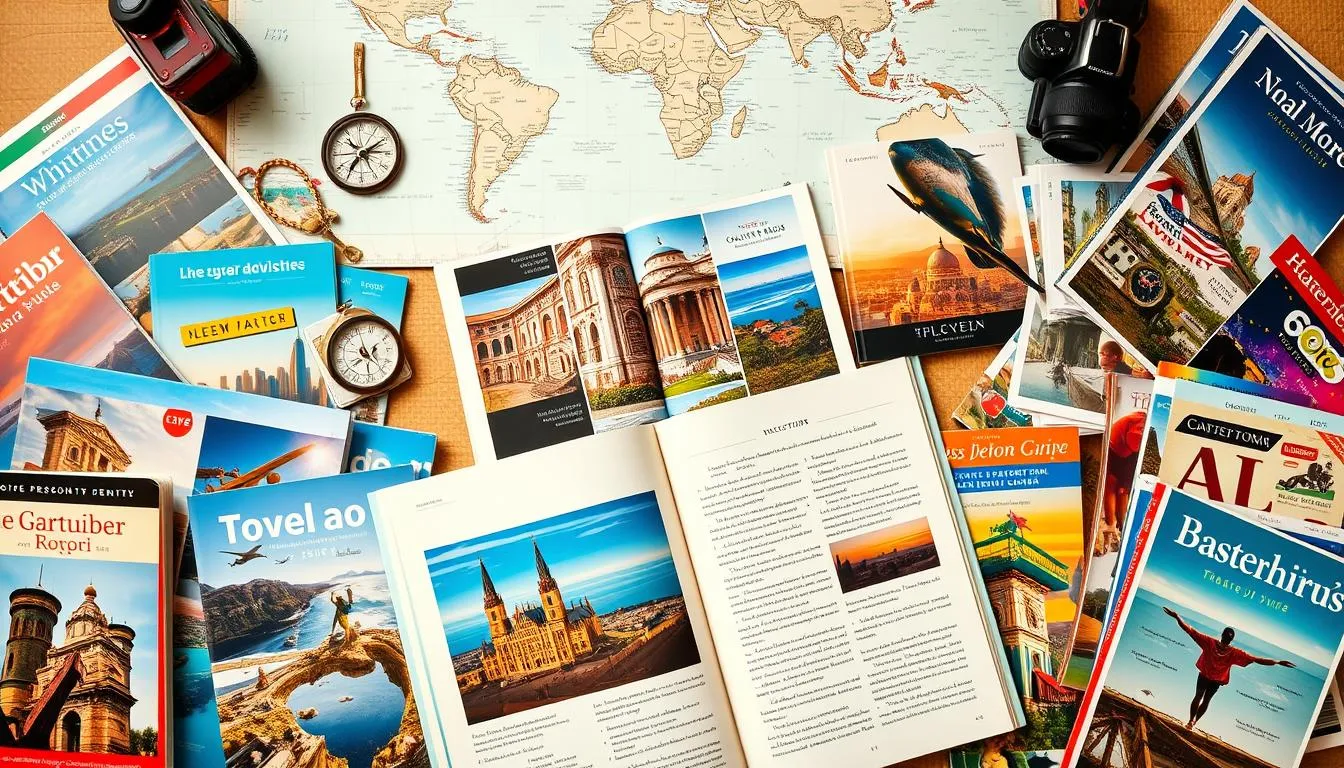
Traditional print guides have been a staple for travelers for decades, offering a tactile experience and detailed information about destinations. They are particularly useful for areas with limited internet connectivity. Print guides provide a comprehensive overview of a location, including maps, attractions, and practical advice.
Digital and Interactive Guides
Digital and interactive guides have revolutionized travel planning with their convenience and up-to-date information. These guides are accessible on smartphones and tablets, allowing for real-time updates and navigation. Digital guides often include interactive maps, videos, and user reviews, enhancing the travel experience.
Specialized Guides for Niche Interests
Specialized guides cater to specific interests or demographics, such as adventure travel, food tourism, or LGBTQ+ travel. These specialized travel guides provide tailored advice and insights, helping travelers to explore destinations in a way that aligns with their passions or requirements.
By understanding the different types of destination guides available, travelers can make informed choices about which guides to use for their trips, ensuring a more personalized and fulfilling travel experience.
Components of an Effective Destination Guide
The key to a successful destination guide lies in its ability to provide valuable insights and practical information. An effective guide is more than just a list of attractions; it’s a comprehensive resource that enhances the traveler’s experience.
Must-Have Information Elements
A destination guide is only as good as the information it contains. Essential details include maps, accommodation options, transportation information, cultural insights, and language tips.
Maps, Accommodation and Transportation Details
Accurate maps and detailed transportation information are crucial for navigating unfamiliar territories. Guides should also provide a range of accommodation options to suit various budgets and preferences.
Cultural Insights and Language Tips
Understanding local customs and language basics can greatly enhance a traveler’s experience. Guides that offer cultural insights and language tips help travelers connect with the local community and avoid unintended faux pas.
Visual Elements That Enhance Understanding
images, infographics, and illustrations can significantly enhance a guide’s usability. They provide an immediate visual context that can help travelers quickly understand complex information.
Practical Tips and Local Insights
Beyond basic information, effective destination guides offer practical tips and local insights that can make a trip more enjoyable. This might include recommendations for hidden gems, local eateries, and off-the-beaten-path destinations.
By incorporating these components, a destination guide can become an indispensable companion for travelers, providing them with the expert advice and information they need to have a fulfilling experience.
How to Choose the Right Destination Guides Guide for Your Trip
The key to a well-planned trip lies in selecting a destination guide that aligns with your travel preferences. With numerous options available, it’s essential to consider a few critical factors before making your choice.
Matching Guides to Your Travel Style and Needs
When selecting a destination guide, it’s crucial to match it with your travel style and needs. For instance, if you’re a budget traveler, look for guides that offer affordable accommodations and dining options. On the other hand, if you’re interested in luxury travel, guides that highlight high-end experiences would be more suitable. Consider what activities and attractions are must-visits for you and choose a guide that covers these in detail.
Evaluating Credibility and Recency
Another vital aspect is evaluating the guide’s credibility and recency. A guide that is outdated may not provide the most current information on travel restrictions, new attractions, or safety advisories. Check the publication date and look for guides that are updated regularly. Additionally, consider guides from reputable sources, such as trusted travel websites, as they often provide reliable and well-researched information.
As travel expert Nomadic Matt suggests, “The right destination guide can make a significant difference in your travel experience.” By carefully selecting a guide that matches your travel style and is credible and up-to-date, you can ensure a more enjoyable and stress-free trip.
Top Destination Guide Publishers and Platforms
Destination guide publishers and platforms play a crucial role in shaping travel experiences worldwide. They provide travelers with the information needed to plan and enjoy their trips to the fullest.
Trusted Traditional Publishers
Traditional publishers have been the cornerstone of travel planning for decades, offering a wealth of information through guidebooks and maps. Renowned publishers have built their reputation on providing accurate and comprehensive travel guides.
Lonely Planet, Fodor’s, and Rick Steves
Publishers like Lonely Planet, Fodor’s, and Rick Steves are household names among travelers. They offer detailed guides that cover various aspects of travel, from cultural insights to practical tips. For instance, Wanderer’s Compass is a valuable resource that complements these traditional guides.
Specialized and Boutique Publishers
Besides the major players, there are numerous specialized and boutique publishers that cater to niche interests and specific travel needs. These publishers often provide unique perspectives and detailed information that might not be available in more general guides.
Digital Platforms and Travel Apps
The digital age has transformed the way we access travel information, with numerous platforms and apps now available. These digital tools offer real-time updates, interactive maps, and personalized recommendations, enhancing the travel experience.
| Publisher/Platform | Type | Notable Features |
|---|---|---|
| Lonely Planet | Traditional/Digital | Comprehensive guides, interactive maps |
| Fodor’s | Traditional/Digital | Detailed reviews, travel tips |
| Rick Steves | Traditional/Digital | Cultural insights, travel advice |
| Google Trips | Digital | Personalized itineraries, real-time updates |
| By leveraging both traditional and digital resources, travelers can create a well-rounded and enjoyable travel experience. Whether you’re looking for in-depth cultural insights or practical travel tips, there’s a destination guide publisher or platform to suit your needs. |
Destination Guides Tips for Different Types of Travelers
Travelers have diverse needs, and destination guides can be tailored to suit various types of travelers. Whether you’re planning a family vacation, a solo adventure, or a luxury getaway, a well-chosen destination guide can make all the difference.
Family Travel Guide Considerations
When traveling with family, it’s essential to choose a destination guide that caters to all ages. Look for guides that include kid-friendly attractions, family-friendly accommodations, and activities suitable for different age groups. Some guides even offer specific sections for families, providing tips on stroller-friendly paths and baby-sitting services.
- Check for kid-friendly attractions and activities
- Look for family-friendly accommodations and dining options
- Consider guides that offer baby-sitting services and stroller-friendly paths
Solo Traveler Guide Essentials
Solo travelers require destination guides that focus on safety, social opportunities, and unique experiences. A good guide for solo travelers should include information on safe areas, group tour options, and local events where they can meet other travelers. Guides that offer insights into local culture and customs can also enhance the solo travel experience.
Budget vs. Luxury Travel Guide Differences
The type of travel guide you need can vary significantly depending on whether you’re traveling on a budget or indulging in luxury. Budget travel guides should highlight affordable accommodations, free or low-cost activities, and budget-friendly dining options. On the other hand, luxury travel guides should focus on high-end accommodations, exclusive experiences, and fine dining options.
- For budget travel: Look for guides that highlight affordable options
- For luxury travel: Choose guides that feature high-end experiences
Creating Your Own Custom Destination Guide
Creating a tailored travel guide is an art that combines research, organization, and local insights. By crafting a personalized destination guide, travelers can ensure that their trip is filled with meaningful experiences and stress-free navigation.
Research Methods and Resources
Effective research is the backbone of any great destination guide. Start by gathering information from reputable sources such as travel blogs, official tourism websites, and guidebooks. Utilize online forums and social media to gain insights from fellow travelers who have experienced the destination firsthand.
Reliable Research Sources:
| Source | Description |
|---|---|
| Travel Blogs | Personal accounts of travel experiences, often with detailed itineraries and tips. |
| Official Tourism Websites | Authoritative information on destinations, including events, attractions, and accommodations. |
| Guidebooks | Comprehensive guides that cover a wide range of topics from historical context to practical advice. |
Once you’ve gathered your research, organizing it in an accessible way is crucial. Consider creating digital or physical folders categorized by topic or day of travel. Make sure your guide is easily navigable, with clear headings and an index if necessary.
To enhance accessibility, save your guide in multiple formats (e.g., PDF, printed copy) and share it across your devices. This ensures that your guide is always at your fingertips, whether you’re online or offline.
Best Practices for Using Destination Guides During Your Trip
Using destination guides wisely can make a significant difference in your travel plans. By adopting best practices for utilizing these guides, you can enhance your overall travel experience.
Pre-trip Planning and Preparation
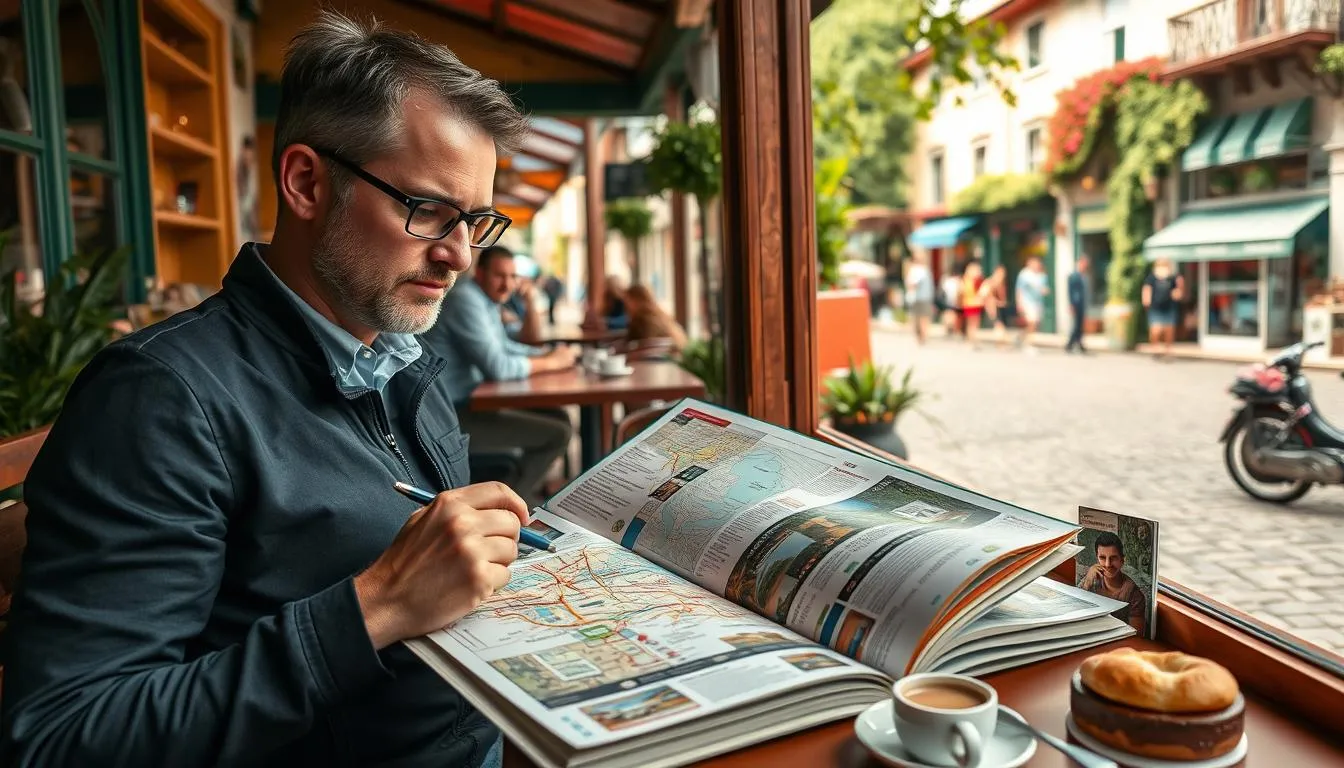
Before embarking on your journey, thorough pre-trip planning is essential. Start by researching your destination using reliable guides from sources like Leisure Group Travel. Identify must-visit attractions, local customs, and any necessary preparations. Organize the information into a usable format, such as a digital document or a note on your phone, to reference during your trip.
Flexible On-the-Go Reference Techniques
While traveling, it’s crucial to remain flexible and adapt your plans as needed. Use your destination guide to navigate unexpected changes or to discover new opportunities. Keep the guide handy, either in digital form on your smartphone or as a compact printed version, to make quick references. This flexibility allows you to maximize your time and enjoy a more spontaneous travel experience.
By combining thorough pre-trip planning with flexible on-the-go reference techniques, you can make the most of your destination guides and enjoy a well-rounded, stress-free trip.
Common Mistakes to Avoid With Destination Guides
Using destination guides effectively requires understanding what to avoid. While these guides are invaluable resources for travelers, they can sometimes lead to mistakes that impact the quality of a trip. By being aware of common pitfalls, travelers can make the most of their destination guides and enjoy a more satisfying travel experience.
Over-Scheduling Based on Guide Recommendations
One common mistake is over-scheduling based on guide recommendations. Destination guides often provide extensive lists of attractions and activities, tempting travelers to pack their itineraries tightly. However, this can lead to burnout and a rushed experience. For instance, a guide might recommend visiting multiple museums in one day, not accounting for travel time between locations or the fatigue that comes with extensive walking. To avoid this, it’s essential to prioritize and pace activities, leaving some room for spontaneity. As suggested in travel tips for a Florida vacation, balancing planned activities with free time can significantly enhance the travel experience.
Neglecting to Verify Information Currency
Another critical mistake is neglecting to verify the currency of the information provided in destination guides. Guides can quickly become outdated, especially in areas with rapid development or changing local conditions. For example, a restaurant or attraction listed in a guide might have closed or changed its operating hours. Travelers should always cross-check information with more current sources, such as official tourism websites or recent traveler reviews, to ensure they have the most up-to-date information.
By being mindful of these common mistakes, travelers can use destination guides more effectively, leading to a more enjoyable and stress-free trip.
Expert Advice for Maximizing Your Destination Guide Experience
A well-utilized destination guide can be the key to unlocking a truly memorable trip. To achieve this, travelers must know how to effectively use their guides.
Combining Multiple Guide Sources
Using multiple guide sources can provide a more comprehensive understanding of your destination. Combining traditional print guides with digital resources can offer both depth and flexibility. For instance, a print guide might provide historical context, while a travel app can offer real-time updates on local events.
| Guide Type | Benefits | Examples |
|---|---|---|
| Traditional Print Guides | In-depth historical context, curated recommendations | Lonely Planet, Frommer’s |
| Digital Guides | Real-time updates, interactive maps, user reviews | TripAdvisor, Google Maps |
While planning is essential, leaving room for spontaneity can lead to some of the most memorable travel experiences. It’s about finding a balance between structured plans and the freedom to explore. Using your destination guide to identify must-see attractions, while also allowing time for unexpected discoveries, can create a richer travel experience.
Conclusion
Effective destination guides are crucial for a successful trip, providing travelers with the necessary information to navigate unfamiliar places. As discussed, guides can be traditional print, digital, or specialized, catering to various travel styles and needs.
The role of tourist guides extends beyond service provision; they are essential actors in creating a more sustainable and equitable tourism industry. Initiatives like the World Federation of Tourist Guide Associations (WFTGA) promote the profession and support guides in their contributions to sustainable development goals. You can learn more about their efforts on the WFTGA website.
A well-planned travel planning summary involves considering the type of guide that suits your travel style, evaluating credibility, and balancing planned activities with spontaneity. By leveraging destination guides guide effectively, travelers can enhance their experiences, discover hidden gems, and contribute to the local economy.
Ultimately, the key to a fulfilling travel experience lies in being prepared, flexible, and open to new experiences. By making the most of destination guides and embracing the local culture, travelers can create lasting memories and enjoy a more authentic journey.
FAQ
What is a destination guide?
A destination guide is a resource that provides travelers with information, tips, and insights about a specific travel destination, helping them plan and navigate their trip.
What are the benefits of using a destination guide?
Using a destination guide can save time, money, and reduce travel stress by providing valuable information on attractions, accommodations, and activities, as well as offering insider tips and local insights.
What types of destination guides are available?
Destination guides come in various formats, including traditional print guides, digital guides, and specialized guides catering to niche interests, such as family travel, solo travel, or luxury travel.
How do I choose the right destination guide for my trip?
To choose the right destination guide, consider your travel style, needs, and preferences, and evaluate the guide’s credibility, recency, and relevance to your destination and interests.
What are some best practices for using destination guides during my trip?
Best practices include pre-trip planning, flexible on-the-go reference techniques, and balancing planned activities with spontaneity to maximize your destination guide experience.
Can I create my own custom destination guide?
Yes, you can create your own custom destination guide by researching and gathering information, organizing and prioritizing content, and making it accessible and user-friendly.
What are some common mistakes to avoid when using destination guides?
Common mistakes to avoid include over-scheduling based on guide recommendations and neglecting to verify the currency of information, which can lead to outdated or inaccurate information.
How can I maximize my destination guide experience?
To maximize your destination guide experience, consider combining multiple guide sources, balancing planned activities with spontaneity, and being open to new experiences and discoveries.