Wildlife Safaris vs Cultural Tours: Which is Better?
Understanding your travel preferences is key to choosing the best travel adventure. Whether you're drawn to the excitement of a safari or the richness of a cultural tour, your choice will shape your travel experience.

17 min read
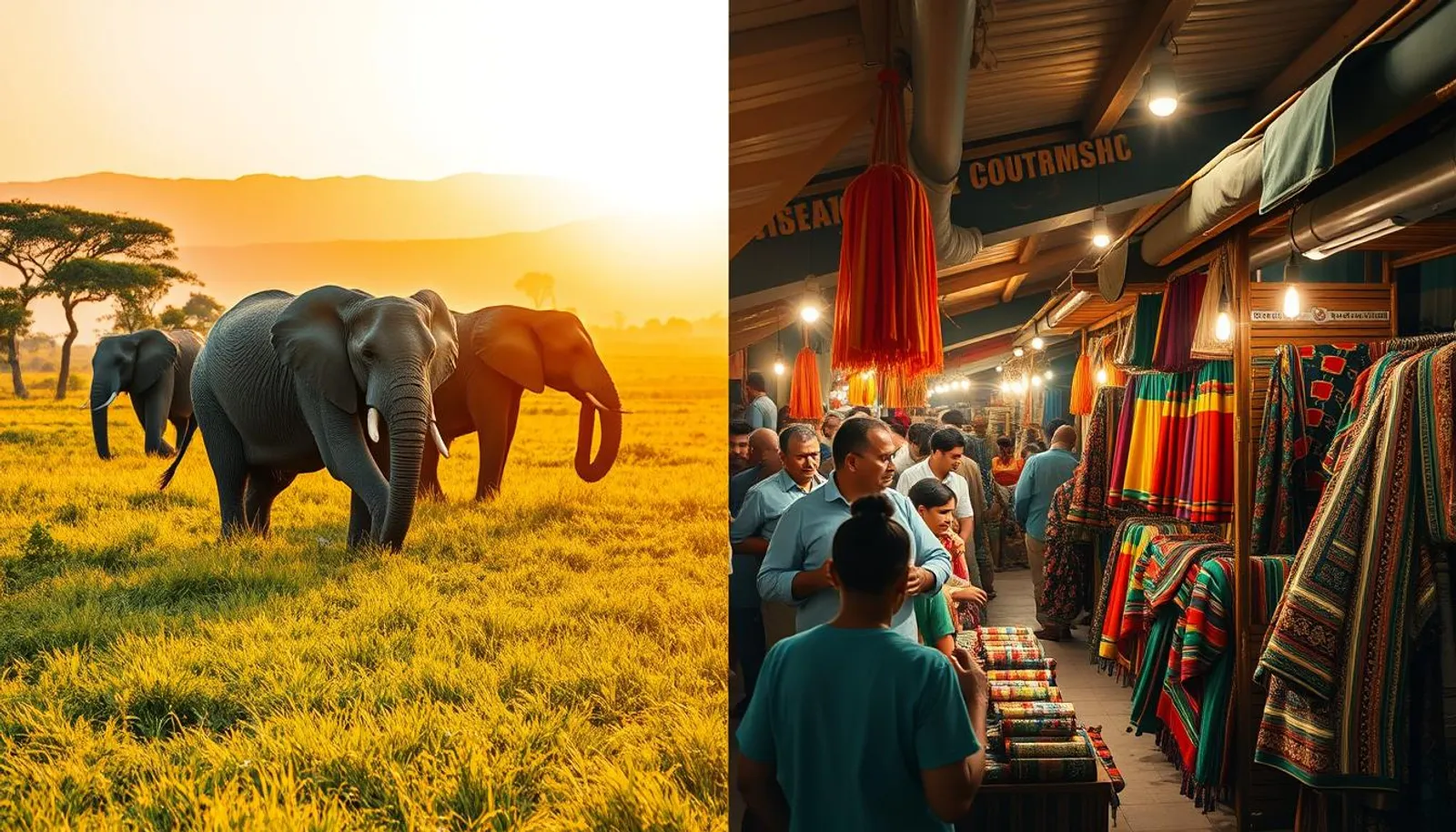
Travelers to East Africa often face a dilemma: should they embark on a thrilling wildlife safari or immerse themselves in the rich cultural heritage of the region?
Both options offer unique experiences, but which one is better? As you plan your trip, consider what you’re looking for: exciting encounters with animals or meaningful interactions with local communities. For instance, you could explore the wildlife tourism vs cultural tourism in East Africa, where you can experience the best of both worlds.
Key Takeaways
- Wildlife safaris offer exciting encounters with animals in their natural habitats.
- Cultural tours provide meaningful interactions with local communities and their traditions.
- Many trips combine both wildlife and cultural experiences for a well-rounded East Africa experience.
- Conservation and ecological awareness are key benefits of wildlife tourism.
- Economic empowerment and cultural preservation are main benefits of cultural tourism.
The Allure of Exploration: Defining Your Journey
Travelers today face a delightful dilemma: choosing between the thrill of wildlife safaris and the richness of cultural tours. This decision is not just about the destination; it’s about the type of experience you’re looking for.
The Modern Traveler’s Dilemma
In an era where travel options are more diverse than ever, individuals are often torn between different types of adventures. The choice between a wildlife safari and a cultural tour depends on what excites you the most. Are you drawn to the majesty of nature, or are you fascinated by human history and culture?
How Travel Preferences Shape Experiences
Your travel preferences significantly influence your experiences. For those who love the outdoors and wildlife, a safari offers an unparalleled adventure. On the other hand, cultural tours provide a deep dive into the history, customs, and ways of life of different communities.
| Travel Aspect | Wildlife Safari | Cultural Tour |
|---|---|---|
| Primary Focus | Observing wildlife in their natural habitat | Exploring historical sites and cultural practices |
| Best For | Adventure seekers and nature lovers | History buffs and those interested in cultural immersion |
Wildlife Safaris vs Cultural Tours: Understanding the Fundamental Differences
As travelers plan their next adventure, understanding the fundamental differences between wildlife safaris and cultural tours becomes essential. This distinction is crucial in making an informed decision that aligns with one’s travel preferences and interests.
Wildlife Safari Experiences Defined
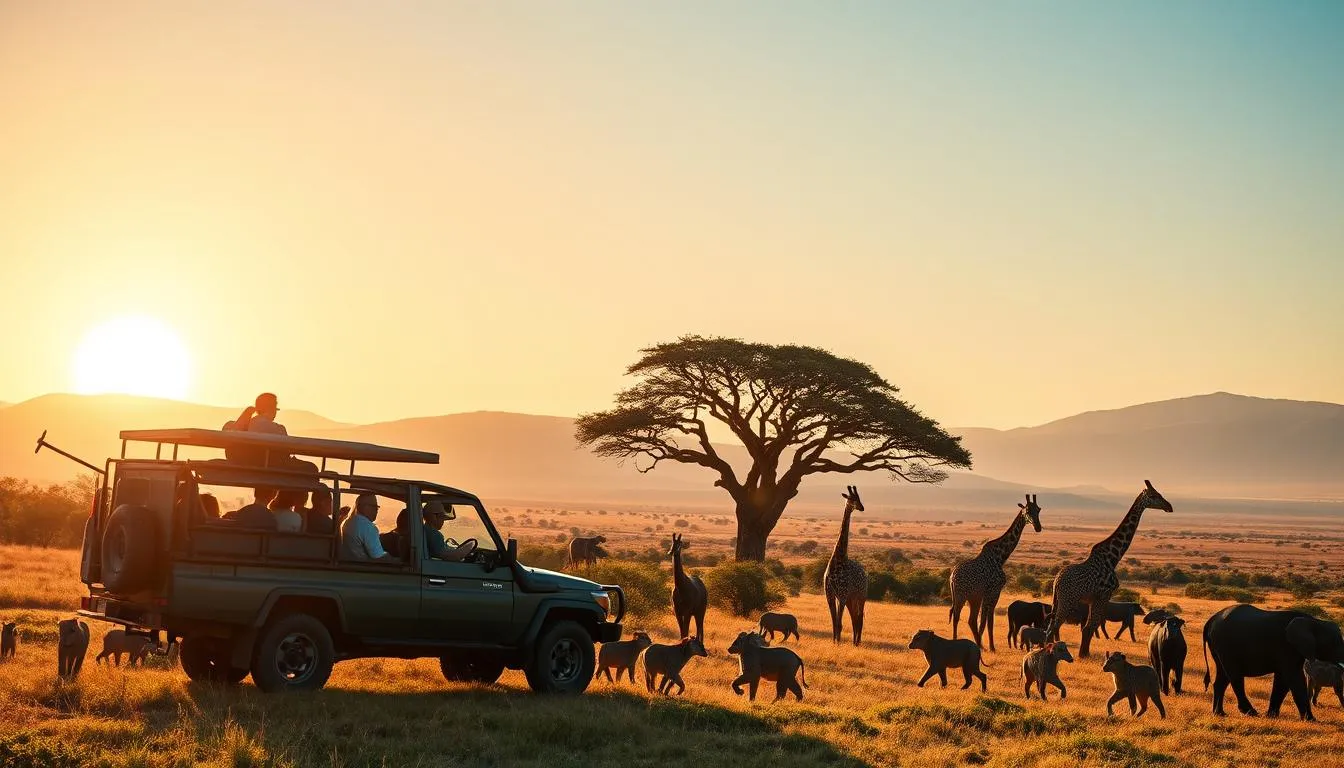
Wildlife safaris offer an immersive experience into the natural world, allowing travelers to observe animals in their habitats. Types of Safari Experiences range from guided tours in vehicles to walking safaris, each providing a unique perspective on wildlife.
Types of Safari Experiences
- Guided vehicle tours
- Walking safaris
- Photographic safaris
What to Expect on a Safari
On a safari, travelers can expect to witness diverse wildlife, from majestic elephants to elusive predators. As noted in comparisons between Kenya and Tanzania, the experience can vary significantly based on the location and guides.
Cultural Tour Experiences Defined
Cultural tours, on the other hand, provide a deep dive into the history, traditions, and daily life of local communities. Varieties of Cultural Tours include historical site visits, festival participations, and homestays, offering a rich cultural immersion.
Varieties of Cultural Tours
- Historical site visits
- Festival and event participations
- Homestays with local families
Typical Cultural Tour Components
Typical components include guided tours of historical sites, interactions with local artisans, and participation in traditional meals. As
“Cultural heritage is a vital part of our identity, and sharing it with visitors enriches both parties.”
, cultural tours foster cross-cultural understanding.
Understanding these differences is key to choosing the right travel experience. Whether drawn to the wild or to cultural richness, travelers can now make informed decisions that suit their interests.
Comparing Costs and Value Propositions
The cost of travel experiences can vary significantly, making it essential to compare the value propositions of wildlife safaris and cultural tours. Understanding the financial aspects of these adventures helps travelers make informed decisions.
Safari Budget Considerations
Wildlife safaris can range from budget-friendly options to luxury experiences. The cost is often influenced by factors such as the destination, duration of the safari, and type of accommodations.
Luxury vs. Budget Safari Options
Luxury safaris offer high-end amenities and guided tours, often at a premium price. In contrast, budget safaris provide a more rustic experience at a lower cost. Travelers must weigh the benefits of each against their budget.
Cultural Tour Pricing Structures
Cultural tours also vary in cost, depending on the complexity of the tour, the expertise of the guides, and the inclusions such as meals and accommodations.
Hidden Costs and Value-Added Experiences
When evaluating cultural tours, it’s crucial to consider any hidden costs, such as entrance fees to historical sites or optional activities. Value-added experiences, like local workshops or home-stays, can enhance the overall value of the tour.
Ultimately, both wildlife safaris and cultural tours offer unique experiences with varying costs. By understanding the budget considerations and value propositions, travelers can choose the adventure that best fits their financial plan and preferences.
Planning Requirements and Logistics
When planning a trip, understanding the logistics of your chosen travel experience is crucial. Both wildlife safaris and cultural tours have unique planning requirements that can significantly impact your overall experience.
Safari Preparation Essentials
Preparing for a wildlife safari involves several key considerations. Seasonal variations play a significant role in determining the success of your safari experience.
Seasonal Considerations
The time of year you choose to go on a safari can greatly affect what you see and experience. For instance, the dry season often brings animals to water sources, making them easier to spot.
Required Documentation and Vaccinations
Travelers on a safari must ensure they have the necessary documentation and vaccinations. This may include visas, health certificates, and specific vaccinations depending on your destination.
Cultural Tour Organization
Cultural tours, on the other hand, require a different set of preparations. Understanding the cultural nuances and having the right guidance can enhance your experience.
Research and Preparation
Researching your destination is crucial. Understanding local customs, history, and significant cultural practices can enrich your tour experience.
Local Guides vs. Self-Guided Exploration
Deciding between a local guide and self-guided exploration depends on your preference for structure and flexibility. Local guides can provide in-depth insights into the culture and history of the area.
Physical Demands and Accessibility Factors
When considering travel adventures, understanding the physical demands of wildlife safaris and cultural tours is crucial. Both options offer unique experiences, but they differ significantly in terms of physical requirements and accessibility.
Safari Fitness Requirements
Wildlife safaris often involve long hours of walking or riding in rugged terrain, which can be physically demanding. Travelers should be in good physical condition to fully enjoy the experience.
Mobility Considerations in Wildlife Settings
In wildlife settings, mobility can be limited by the terrain and the need to remain quiet and still to observe animals. According to a report on wildlife watching, mobility issues can significantly impact the quality of the experience wildlife watching report.
Navigating Cultural Sites
Cultural tours, on the other hand, may involve less physical exertion but still require a certain level of mobility, especially when visiting historical sites or museums.
Accessibility Options for Different Ability Levels
Many cultural sites now offer accessibility options for visitors with different ability levels, including wheelchair ramps and guided tours designed for those with mobility issues.
| Activity | Physical Demand Level | Accessibility Options |
|---|---|---|
| Wildlife Safari | High | Limited |
| Cultural Tour | Moderate | Varied |
Environmental and Social Impact of Your Choice
As travelers weigh the options between wildlife safaris and cultural tours, understanding the broader impact of these choices becomes increasingly important. The decision between these two types of travel experiences not only affects the traveler but also has significant environmental and social implications.
Wildlife Tourism’s Conservation Role
Wildlife tourism, particularly through safaris, plays a crucial role in conservation efforts. By supporting protected areas and conservation initiatives, safari tourism can contribute to the preservation of biodiversity. Ecotourism, when managed responsibly, can provide economic incentives for local communities to conserve their natural heritage.
Ethical Safari Practices
Ethical safari practices are essential to ensure that tourism benefits both the environment and local communities. This includes supporting sustainable safaris that adhere to guidelines minimizing environmental impact and respecting wildlife.
Cultural Preservation Through Tourism
Cultural tours, on the other hand, offer a platform for the preservation of cultural heritage. By engaging with local communities and supporting cultural tourism initiatives, travelers can contribute to the conservation of cultural practices and traditions.
Supporting Local Communities
Tourism can be a powerful tool for supporting local communities, providing economic opportunities and promoting cultural exchange. It’s essential for cultural tours to be designed in a way that respects local customs and benefits the community directly.
| Aspect | Wildlife Safaris | Cultural Tours |
|---|---|---|
| Primary Focus | Conservation and Wildlife | Cultural Heritage and Exchange |
| Economic Impact | Supports Conservation Efforts | Benefits Local Communities |
| Environmental Impact | Potential for Ecotourism | Promotes Cultural Preservation |
Iconic Wildlife Safari Destinations
For those seeking the ultimate wildlife experience, certain safari destinations stand out globally. These locations offer a mix of breathtaking landscapes, diverse wildlife, and unforgettable adventures.
African Safari Experiences
Africa is renowned for its wildlife safaris, offering some of the most spectacular experiences. The continent’s diverse ecosystems support a wide range of wildlife.
The Serengeti and Masai Mara Ecosystem
The Serengeti in Tanzania and the Masai Mara in Kenya are famous for their annual migrations. Witnessing the Great Migration is a once-in-a-lifetime experience, with millions of wildebeest, zebras, and gazelles making their way across the savannah.
Southern African Safari Destinations
Southern Africa boasts incredible safari destinations, including Kruger National Park in South Africa and the Okavango Delta in Botswana. These areas are known for their rich biodiversity and luxurious safari lodges.
Wildlife Encounters Beyond Africa
While Africa is a hub for wildlife safaris, other continents offer equally compelling experiences. Travelers can explore diverse wildlife in their natural habitats across Asia and South America.
Asian Wildlife Experiences
Asia is home to unique wildlife, such as the Bengal tigers in Ranthambore National Park, India, and the orangutans in Borneo. These destinations provide a chance to see endangered species up close.
South American Nature Expeditions
South America offers a different kind of safari experience, focusing on the Amazon rainforest and the Galapagos Islands. The region is known for its exotic birdlife and the opportunity to explore pristine, untouched ecosystems.
| Region | Notable Destinations | Key Wildlife |
|---|---|---|
| Africa | Serengeti, Masai Mara, Kruger National Park | Wildebeest, Lions, Elephants |
| Asia | Ranthambore National Park, Borneo | Bengal Tigers, Orangutans |
| South America | Amazon Rainforest, Galapagos Islands | Exotic Birds, Monkeys |
For travelers seeking more than just a vacation, cultural tours offer an immersive experience into the heart of a region’s traditions and customs. These journeys are designed to enrich one’s understanding of different cultures, providing a unique blend of history, art, and social interaction.
Ancient Historical Sites
Visiting ancient historical sites is a crucial part of many cultural tours. These sites not only showcase architectural marvels but also offer insights into the lives of ancient civilizations.
Archaeological Wonders
Places like Machu Picchu in Peru, the Colosseum in Rome, and the Pyramids of Giza are testaments to human ingenuity and creativity. Exploring these sites allows travelers to connect with the past in a tangible way.
Living Cultural Experiences
Beyond historical sites, cultural tours often include living cultural experiences that bring the destination to life.
Indigenous Communities and Traditional Practices
Interacting with indigenous communities provides a rare opportunity to learn about traditional practices and ways of life that have been preserved for generations. For example, visiting a Native American reservation in the United States or participating in a traditional tea ceremony in Japan can be deeply enriching.
Urban Cultural Immersions
Cities like Tokyo, New York, and Paris are melting pots of culture, offering a wide range of cultural experiences from museums and galleries to street food and local festivals. Immersing oneself in the urban culture can be a thrilling way to experience the diversity and vibrancy of a region.
| Destination | Cultural Significance | Experiences |
|---|---|---|
| Machu Picchu, Peru | Ancient Inca City | Guided tours, hiking |
| Tokyo, Japan | Blend of Traditional and Modern Culture | Tea ceremonies, pop culture experiences |
| New York City, USA | Diverse Cultural Melting Pot | Museums, food tours, Broadway shows |
Best of Both Worlds: Hybrid Travel Experiences
In today’s travel landscape, hybrid experiences that merge safari and cultural exploration are gaining popularity. Travelers are increasingly seeking adventures that combine the thrill of wildlife safaris with the richness of cultural tours.
Destinations Offering Dual Experiences
Several destinations around the world offer the perfect blend of wildlife and cultural experiences. These include:
Africa’s Cultural and Wildlife Combinations
- Kenya’s Maasai Mara National Reserve offers both incredible wildlife viewing and opportunities to engage with the local Maasai culture.
- Tanzania’s Serengeti National Park combines vast savannas with visits to local villages.
Asia’s Nature and Heritage Blends
- India’s Ranthambore National Park is not only known for its tigers but also for its historic Ranthambore Fort.
- Sri Lanka offers a mix of wildlife sanctuaries and ancient cultural sites.
Creating a Balanced Itinerary
To make the most of a hybrid travel experience, creating a balanced itinerary is crucial.
Time Allocation Strategies
| Activity | Duration | Tips |
|---|---|---|
| Wildlife Safari | 3-4 days | Choose early morning or late afternoon for optimal viewing. |
| Cultural Tour | 2-3 days | Engage with local guides for deeper insights into the culture. |
Matching Travel Style to Experience: Who Should Choose What?
Understanding your travel style is crucial in deciding between a wildlife safari and a cultural tour. Both options offer unique experiences, but they cater to different interests and preferences.
Ideal Candidates for Wildlife Safaris
Wildlife safaris are perfect for those who have a passion for nature and wildlife. These travelers often enjoy the outdoors and are fascinated by different species and their habitats.
Personality Traits and Interests
Individuals who enjoy adventure, are patient, and have a keen interest in photography often thrive on wildlife safaris. The experience allows them to connect with nature and capture memorable moments.
Perfect Travelers for Cultural Tours
Cultural tours, on the other hand, are ideal for travelers who are interested in history, architecture, and local customs. These individuals often enjoy interacting with local communities and learning about their traditions.
Learning Styles and Social Preferences
Those who prefer guided tours, enjoy storytelling, and are curious about different cultures tend to appreciate cultural tours. This type of travel allows for a deeper understanding of the local way of life.
Family Considerations for Both Options
When traveling with family, it’s essential to consider the age and interests of all members. Some families may enjoy the thrill of a wildlife safari, while others might prefer the educational aspect of a cultural tour.
| Travel Style | Wildlife Safari | Cultural Tour |
|---|---|---|
| Adventure Seekers | Excellent | Good |
| History Buffs | Fair | Excellent |
| Families with Young Children | Good | Excellent |
Conclusion: Making Your Decision
When deciding between wildlife safaris and cultural tours, understanding your travel preferences is key. Both options offer unique experiences that cater to different interests. If you’re drawn to the great outdoors and observing wildlife in their natural habitats, a safari might be the perfect choice. On the other hand, if you’re fascinated by history, architecture, and immersing yourself in local cultures, a cultural tour could be more appealing.
For those who can’t choose just one, consider a hybrid travel experience that combines elements of both. Many tour operators, like those featured on Tanzania Joy Tours, offer customizable itineraries that allow you to explore both wildlife and cultural experiences.
Ultimately, whether you opt for wildlife safaris vs cultural tours, or a mix of both, the most important thing is to choose a travel style that aligns with your interests and preferences. By doing so, you’ll be able to create lasting memories and enjoy a truly fulfilling safari or cultural travel experience.
FAQ
What is the main difference between a wildlife safari and a cultural tour?
A wildlife safari focuses on observing and experiencing wildlife in their natural habitats, while a cultural tour emphasizes exploring the history, traditions, and daily life of local communities.
Are wildlife safaris more expensive than cultural tours?
The cost of both experiences varies widely depending on factors like destination, duration, and level of luxury. Generally, luxury safaris can be quite expensive, but budget-friendly options exist. Cultural tours can also range from affordable to very costly, depending on the type of experiences included.
Do I need special preparation for a wildlife safari?
Yes, preparation is key. This includes vaccinations, appropriate clothing, and understanding the physical demands of safari activities. Researching and choosing a reputable safari operator is also crucial.
Can I combine a wildlife safari with a cultural tour?
Absolutely. Many destinations offer the opportunity to experience both wildlife and cultural heritage. Planning a hybrid trip can provide a more rounded travel experience.
What are the physical demands of a wildlife safari?
Wildlife safaris can be physically demanding, involving early morning game drives, walking safaris, or other activities that require a certain level of fitness. It’s essential to consider your physical abilities when choosing a safari.
Are cultural tours suitable for families with children?
Yes, cultural tours can be an excellent way to introduce children to different cultures and histories. Many tour operators offer family-friendly cultural tours tailored to various age groups.
How do I choose between a guided cultural tour and self-guided exploration?
Consider your learning style and preferences. Guided tours offer expert insights and structured experiences, while self-guided exploration allows for more flexibility and personal pacing.
What is the environmental impact of wildlife tourism?
Responsible wildlife tourism can support conservation efforts and protect natural habitats. Choosing eco-friendly and ethical tour operators is vital to minimizing the negative environmental impact.
Can cultural tours support local communities?
Yes, many cultural tours are designed to support local economies and preserve cultural heritage. Look for tours that work directly with local communities and promote fair practices.
Are there any health considerations for traveling on a wildlife safari or cultural tour?
Yes, both types of tours may require specific health precautions, such as vaccinations or medications for malaria. It’s also important to consider the physical demands of the tour and any personal health needs.